Car keys · Toronto
Transponder Key Programming
A second driver has joined the household, and the one existing key gets handed back and forth between two schedules that rarely line up.
In plain words
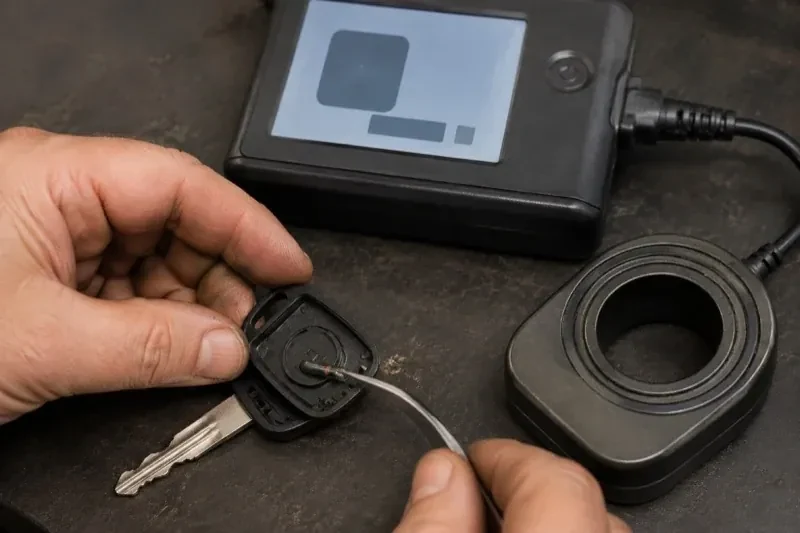
A modern car key is often two systems living in one housing: the transponder, a chip with no battery of its own that only the immobilizer needs to see, and the fob, a battery-powered remote that handles locking, unlocking and alarm functions from a distance. Programming a transponder key addresses the first system, letting the engine start, while pairing the fob addresses the second, restoring the buttons. A key can pass one test and fail the other, so both get checked before the visit is finished.
How the visit goesThe new key slides into the ignition and turns exactly the way the old one did, but the engine only cranks. A dashboard light blinks near the fuel gauge, and no amount of turning the key gets the car past that cranking sound.
Transponder Key Programming
How the visit goes
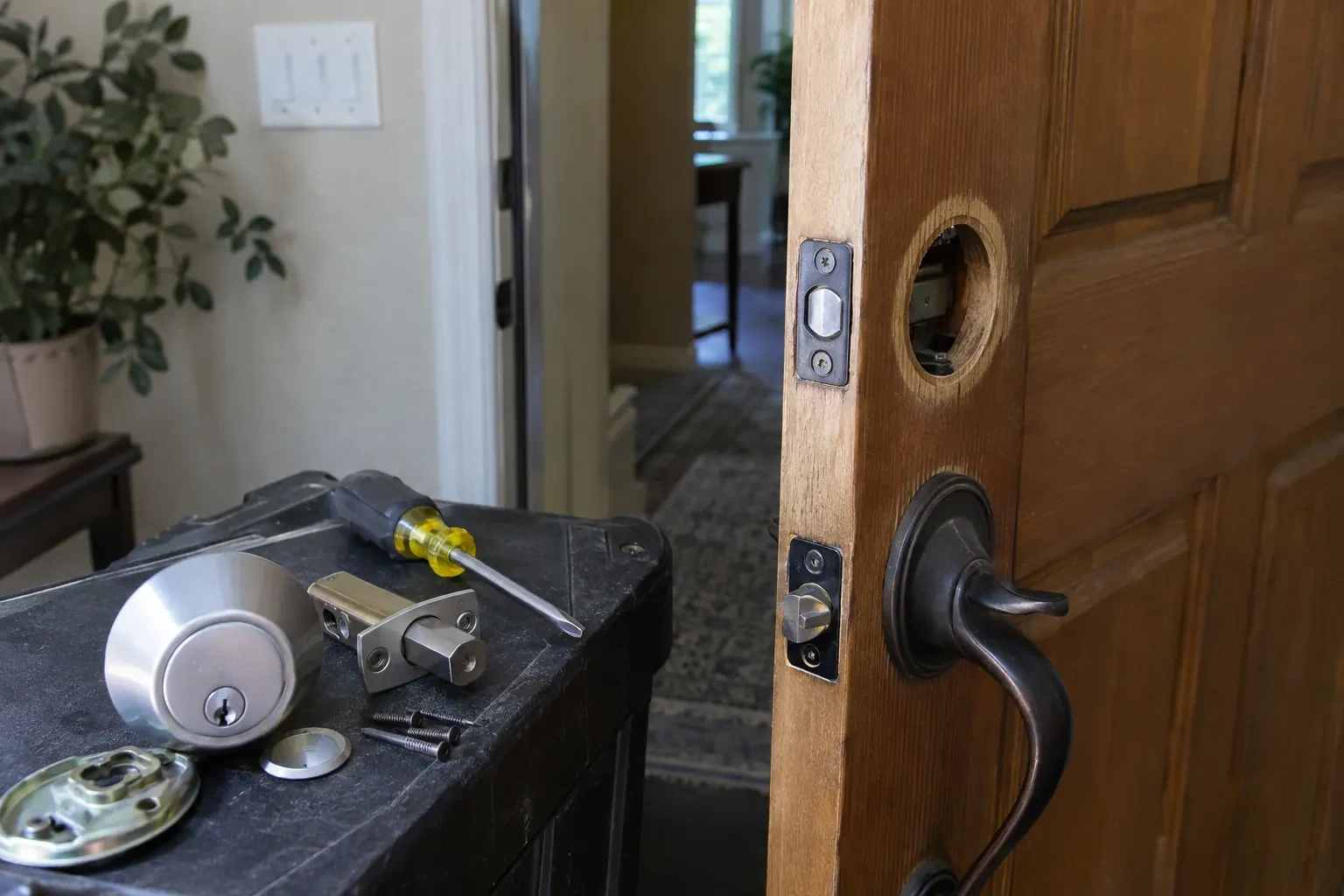
What the finished set should look like
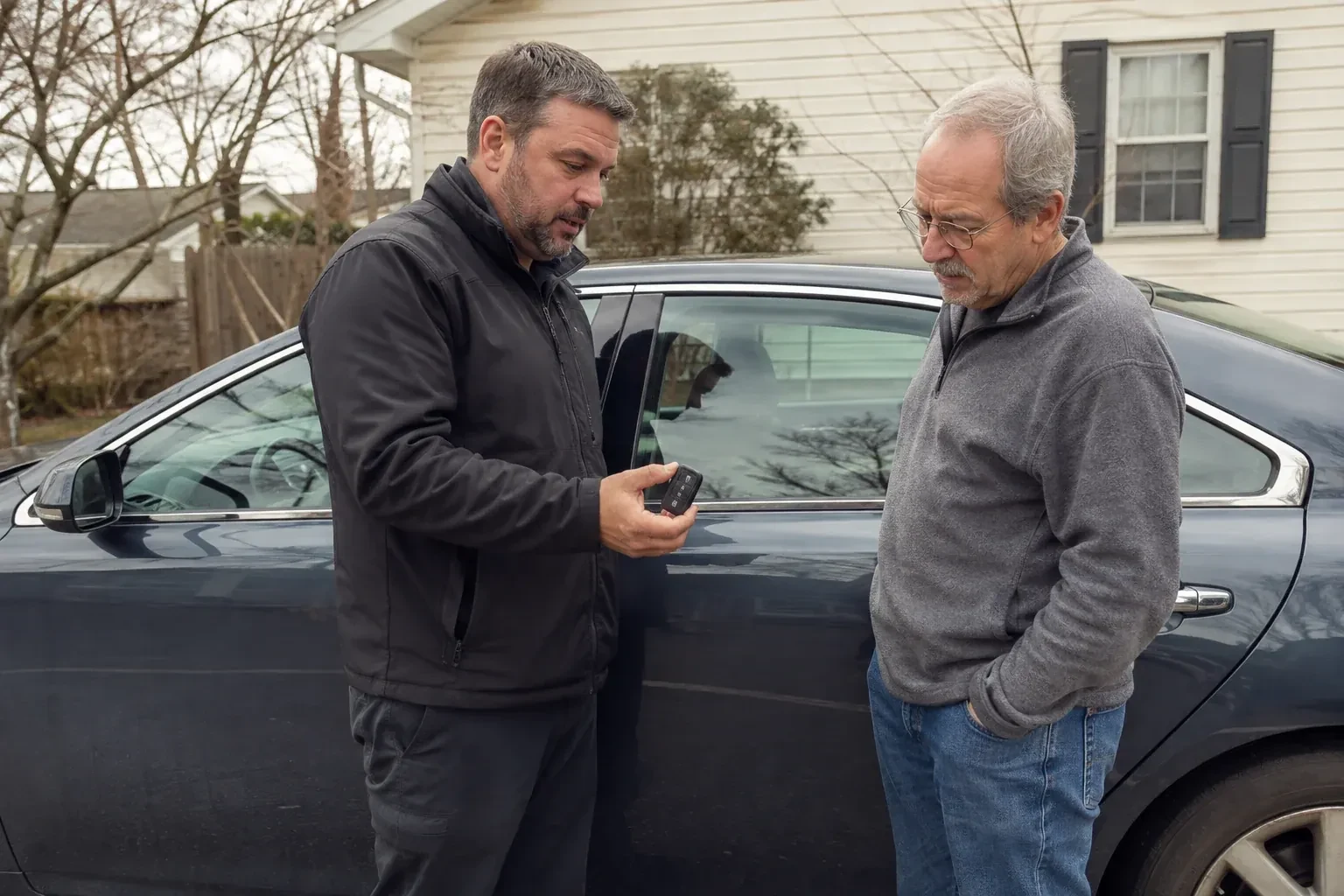
Not every visit ends the same way. Someone who lost their only key wants a working replacement and nothing more. A family adding a driver wants an extra key without disturbing the ones already in daily use. Someone who has never had a spare wants one made and proven before it is ever needed. Asking how many keys should work afterward, and for whom, shapes the whole visit before a single tool comes out, and it is answered in plain terms rather than assumed.
Programming through the diagnostic port
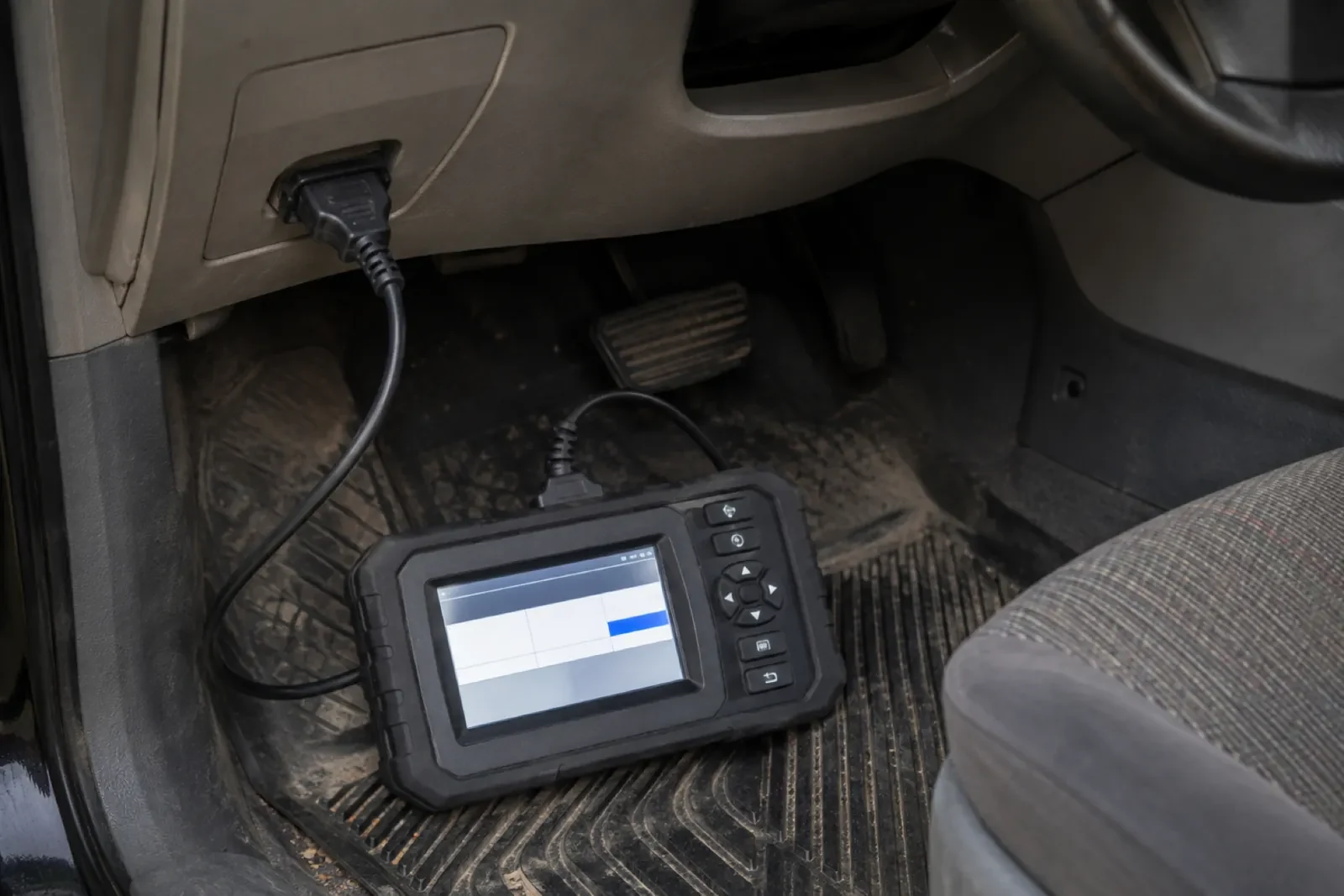
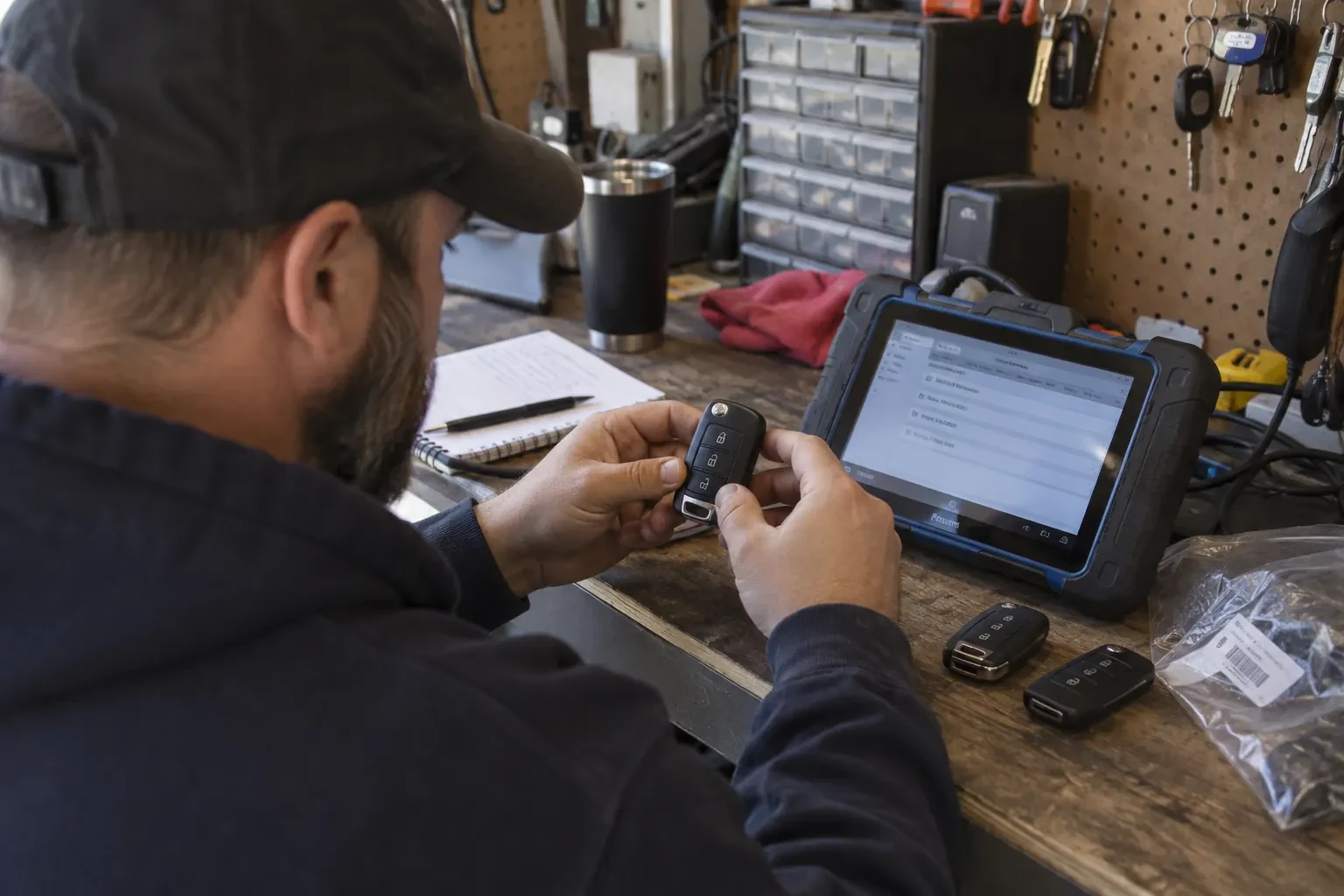
On most vehicles, the new chip's identity is written into the immobilizer through the onboard diagnostic port using equipment built for that vehicle's own protocol. The programmer talks to the vehicle's module in its own language, adds the new key without erasing the others unless asked, and confirms the write was accepted before the tool disconnects. This is the routine path for a spare, an extra key, or a straightforward replacement where at least one working key is still available to authorize the addition.
A spare that already exists, not one for later
A spare key made before it is needed sits in a drawer doing nothing until the day the only other key is lost, and on that day it is worth more than any amount of good intention would have been. Households that arrange this while it is convenient rarely regret it, and the visit that adds a driver's key or a genuine spare is no more involved than the one that replaces something already missing. The difference is only in when it happens.
Transponder Key Programming
In the van
Frequency test reader
Security-access module
Chipped key blank
Emergency insert blade
Fob battery
Transponder Key Programming
What affects the quote
Manufacturer-gated security access some newer vehicles require
A number of newer vehicles require an additional secure session with the manufacturer's own network before a key can be added, which is a real step in the process on those models rather than an optional add-on.
Cutting method: by code or by duplication
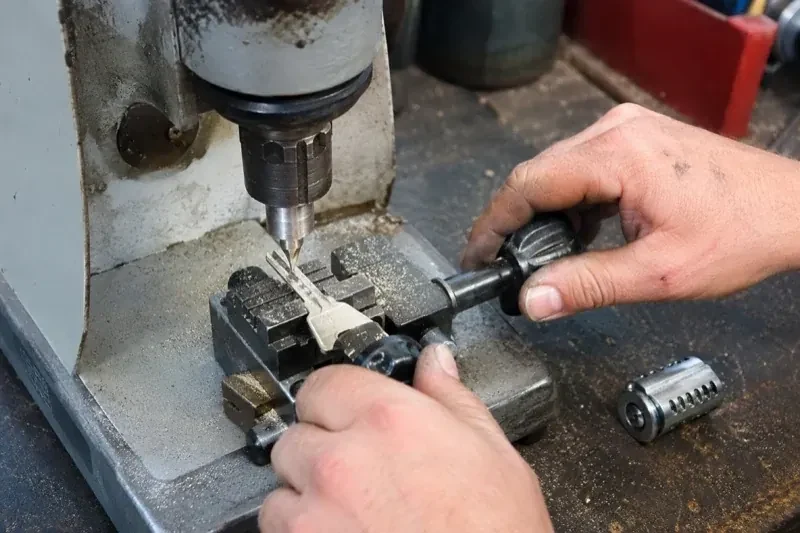
Cutting from a manufacturer code tends to be more direct than duplicating from a worn or damaged working key, where extra care is needed to read the original cuts accurately before a blank is shaped to match.
Number of vehicles involved in one visit
A household with more than one vehicle needing keys programmed in the same visit is a longer job than a single vehicle, even where the vehicles share a similar system, since each one is read and written separately.
What to have ready
- How many working keys would you like when this is finished?
- Was a spare ever cut without being programmed?
- How many keys currently work?
Transponder Key Programming: questions
QuestionsDoes the fob need a new battery every time a key is programmed?
Not necessarily, but it is checked every time regardless. A battery that is already weak is often easier to replace during the same visit than to leave for another call later, and a marginal battery can make a freshly programmed fob look like it has a fault when the chip itself is working exactly as intended.
If I only want a spare, what happens to my current key?
Nothing changes about it. A spare is added alongside the existing key without clearing or altering anything already stored in the vehicle's memory. The only keys that get cleared are the ones you specifically identify as lost, stolen, or no longer wanted, and that is confirmed with you before any clearing happens.
What information should I have ready before this visit?
The vehicle's year, make and model, and its VIN if it is easy to find, let the locksmith arrive with the right blank and chip already in hand. Knowing how many keys currently work, whether any were lost or stolen, and whether the vehicle uses a basic blade or a fob shapes the rest of the visit before a single tool comes out.