High security · Toronto
Safe Installation & Servicing
The accountant's office keeps a decade of client files in cardboard boxes because the only safe in the building is a small drawer safe meant for a laptop, nowhere near large enough for binders of paper.
In plain words
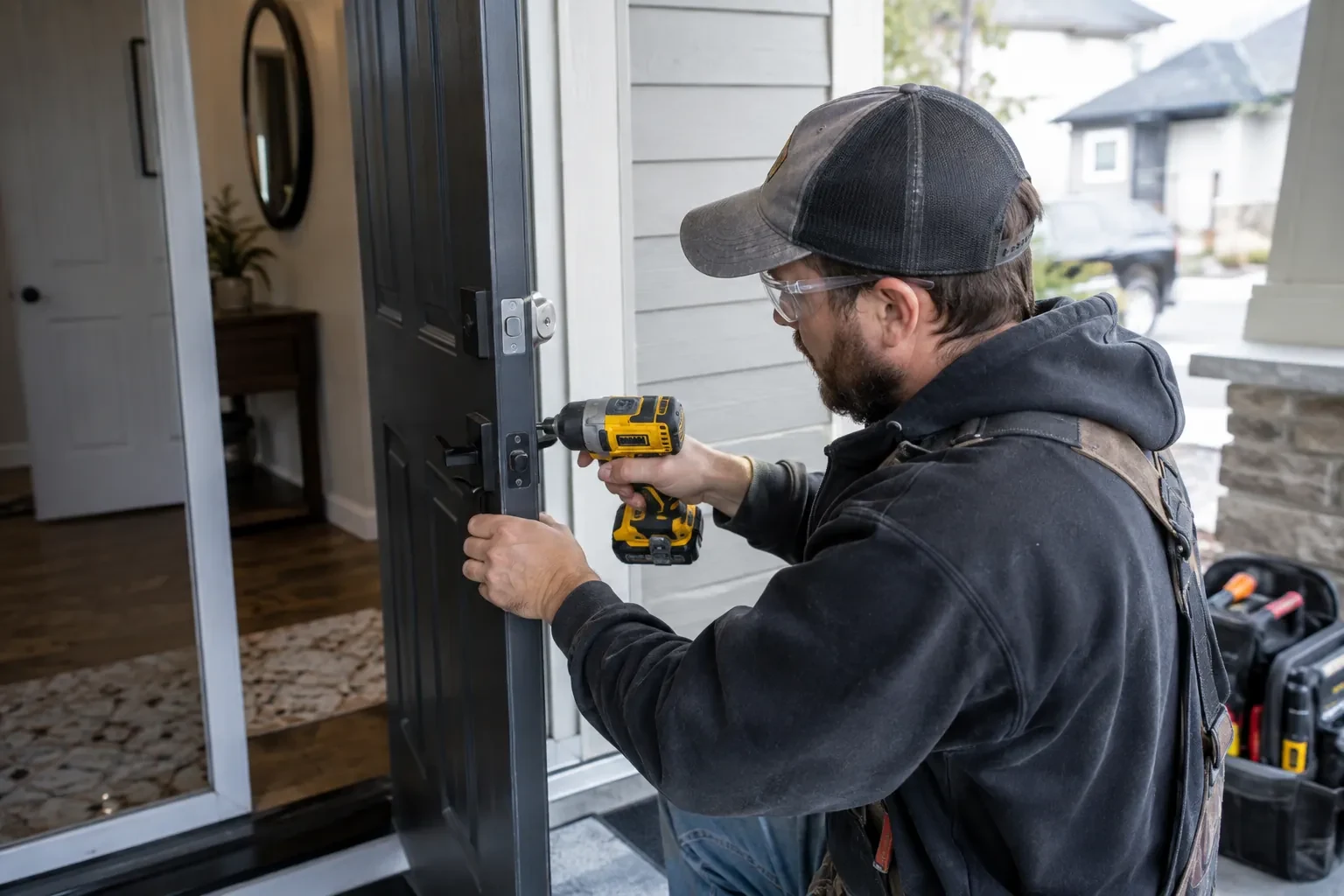
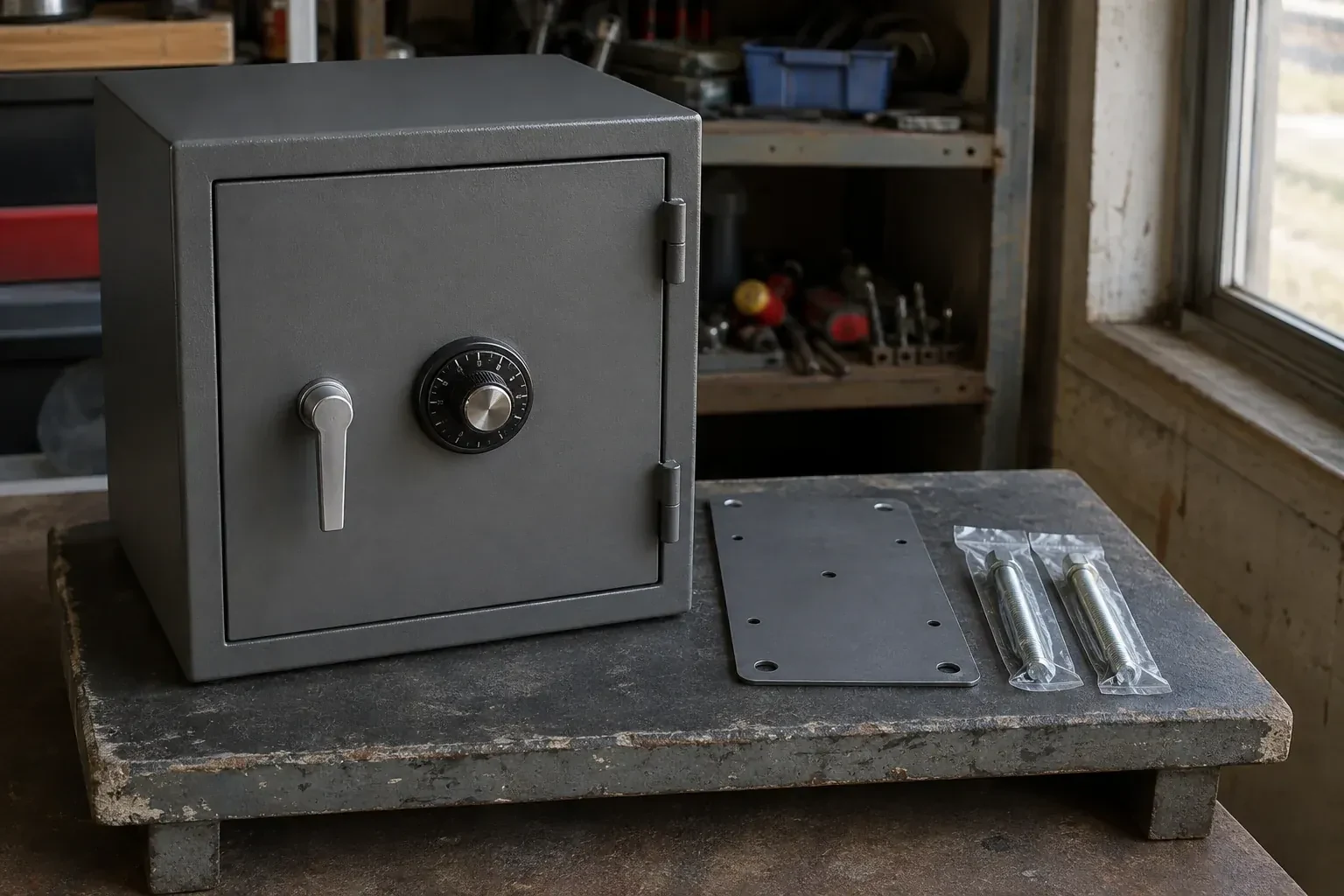
For a household bringing in its first real safe, the service covers everything between the empty spot on the floor and a working, anchored unit with a combination only the family knows. The locksmith walks through what the safe needs to hold, checks the floor or wall it will sit against, positions and levels it, and secures it with anchor bolts suited to that surface. The lock is set and cycled several times with the owner watching, so the last step of the visit is confirming, together, that it opens and closes exactly as it should.
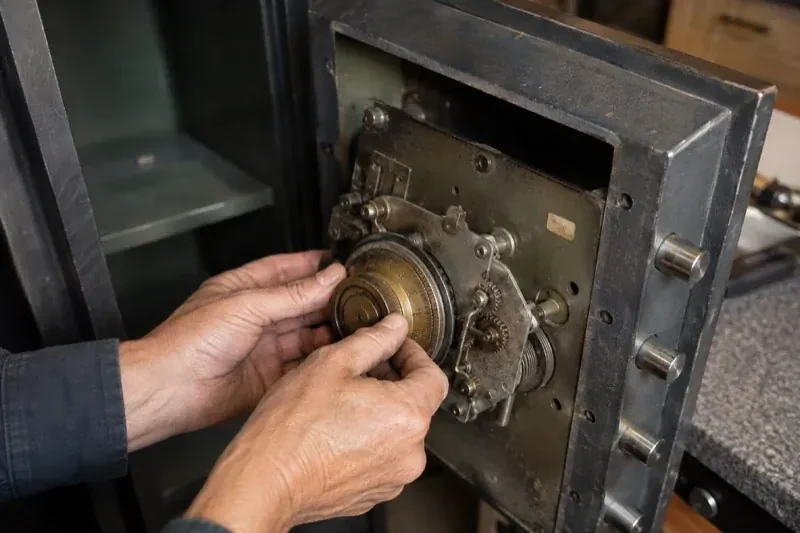
How the visit goesA homeowner inherited a heavy old dial safe from a parent's house, moved it into the new place, and has no idea whether the bolt-work still works, whether the lock is sound, or how it should be anchored.
Safe Installation & Servicing
How the visit goes
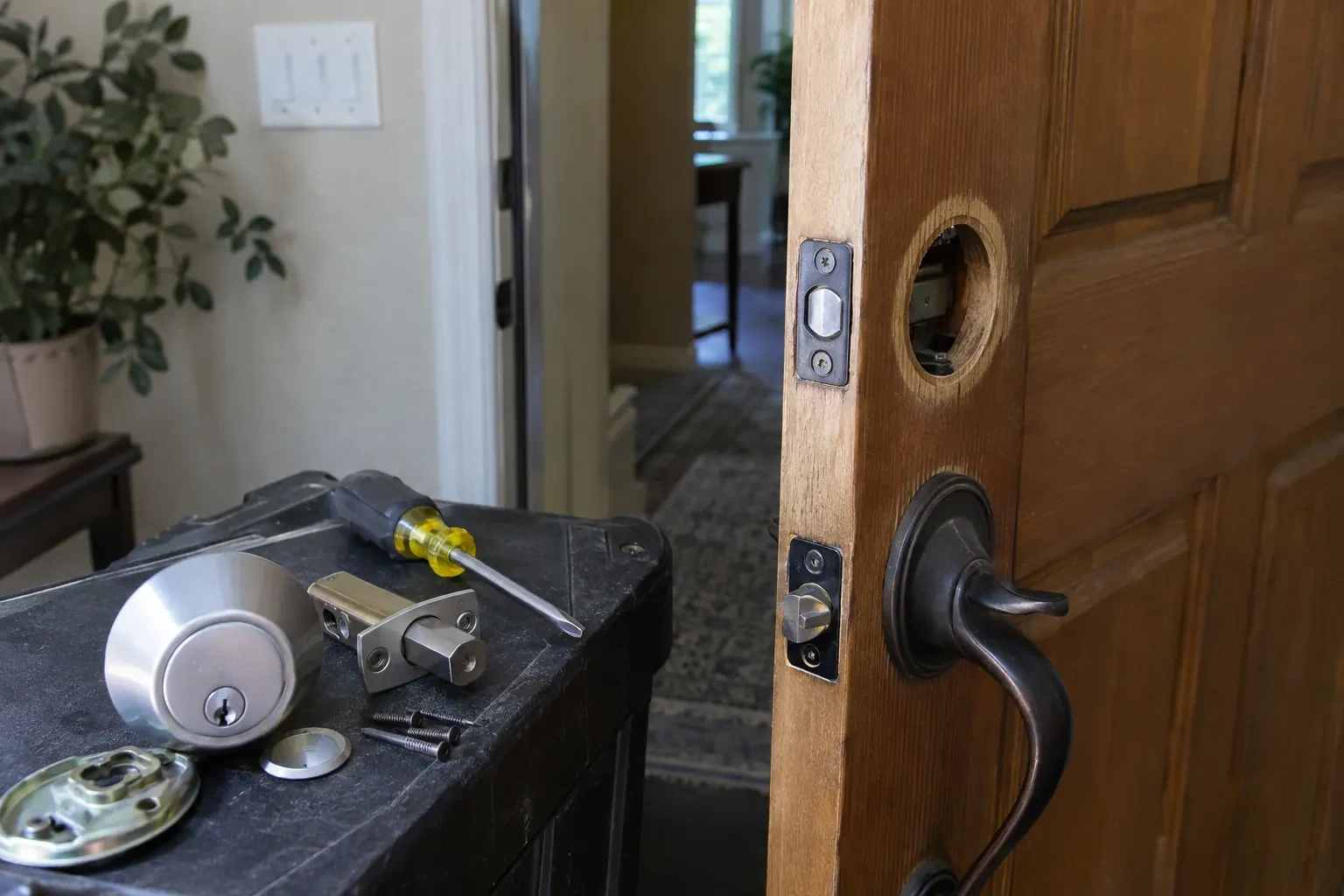
What the safe actually needs to hold
Before any hardware is chosen, the locksmith asks what will actually sit inside: cash from a till, jewelry, firearms, paper contracts, backup drives, or some mix of all of it. Each of those has a different enemy. Cash and jewelry are mainly at risk from tools and time, so a burglary rating matters most. Paper is mainly at risk from heat, so a fire rating matters most, and digital media needs a much lower internal temperature than paper to survive the same fire. Answering this question first is what keeps the rest of the visit from guessing.
Moving a safe without moving the problem with it
Relocating a bolted-down safe starts with removing the existing anchors cleanly, since a broken bolt left in the floor becomes someone else's problem later. The safe is walked or wheeled out on equipment built for its weight, with the route measured in advance so it clears every doorway and turn. At the new address the same assessment happens as for a brand-new installation: the floor or wall is identified, the safe is leveled, and it is anchored again from scratch rather than assumed to sit safely just because it once did elsewhere.
A combination or code that belongs only to the household or business
The final combination or code is set by the owner alone, after the locksmith has finished testing, so nobody who did the installation carries it away in their head. Writing it down somewhere other than beside the safe, or storing it with a trusted person away from the property, is worth doing once rather than relying on memory during a stressful moment. Where the lock supports more than one code, deciding now who else should have one avoids an awkward conversation later.
Safe Installation & Servicing
In the van
Level and floor shims
Mounting plate
Moving dolly and floor protection
Nine-volt backup battery
Desiccant packets
Safe Installation & Servicing
What affects the quote
Condition of an existing safe
Rust on hinges, stiff or grinding bolt-work, a lock that hesitates, or anchoring that was never done all add work beyond a routine check on a servicing visit.
Requests for concealment
Fitting a safe into a closet floor, a recessed wall cavity, or behind a built-in panel takes more planning than a straightforward open placement, and can limit which units will actually fit.
Access route to the final position
Stairs, narrow doorways, tight corners, and whether an elevator or loading dock is involved all affect how the safe gets to its spot and how much handling that route requires.
What to have ready
- Are there stairs or narrow doorways between the entrance and that spot?
- Roughly how much does the safe weigh, if known?
- Which room or level of the building will it go in?
Safe Installation & Servicing: questions
QuestionsCan you install a safe I already bought somewhere else?
Yes. Bringing your own unit is common, and the installation itself does not depend on where the safe came from. The locksmith still needs to check its weight, its footprint, and its anchor points against the floor or wall it will sit on, and looks over the lock before calling the job complete, since a new-to-you safe occasionally arrives with a stiff mechanism or a combination still set from the factory.
Can a safe be concealed inside a closet or behind a panel?
Yes, provided the spot chosen still allows full anchoring and enough clearance for the door to swing open completely. A closet floor, the back of a built-in cabinet, or a recessed wall cavity can all work, though each limits the size of unit that will actually fit and reach the anchor points properly. Balancing concealment against how often the safe gets opened is worth discussing before a spot is chosen.
Will anchoring damage my flooring?
Anchoring leaves small holes at the anchor points, sized to the bolts being used, and on a finished floor these sit under the safe itself where they are never seen again. On tile, the risk of cracking nearby tiles is real enough that an alternative fastening point or a different spot in the room is often chosen instead of drilling straight through the tile itself.