Car keys · Toronto
Motorcycle & Scooter Keys
You dig through every jacket pocket and the tank bag twice, but the ignition key that always sits on the same ring is nowhere to be found.
In plain words
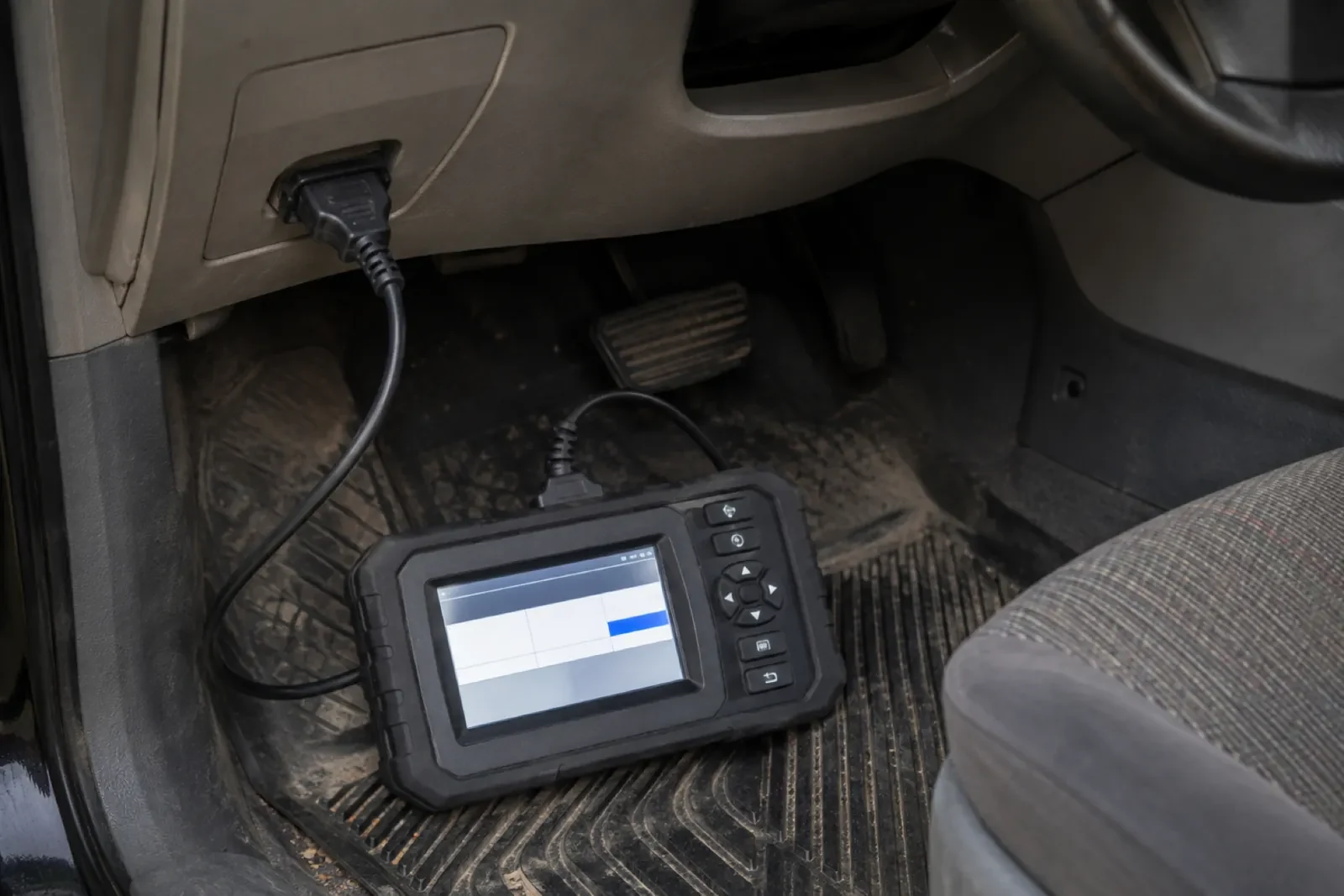
Newer machines add an electronic layer to a mechanical lock: a chip inside the key carries a coded signal that the ignition module checks before letting the engine run, so a correctly shaped blade that lacks the right chip will turn the switch without starting anything. Producing a working key for one of these machines means pairing a new transponder to the vehicle's electronics where that system supports it, using either an existing key as a reference or equipment built for it, though some systems need a dealer procedure or a code key only the manufacturer issues.
How the visit goesThe key turns half a rotation in the ignition, catches, then the blade lets go with a small snap. The bow is still in your hand; the rest of it is somewhere inside a lock that now has nothing to grip.
Motorcycle & Scooter Keys
How the visit goes
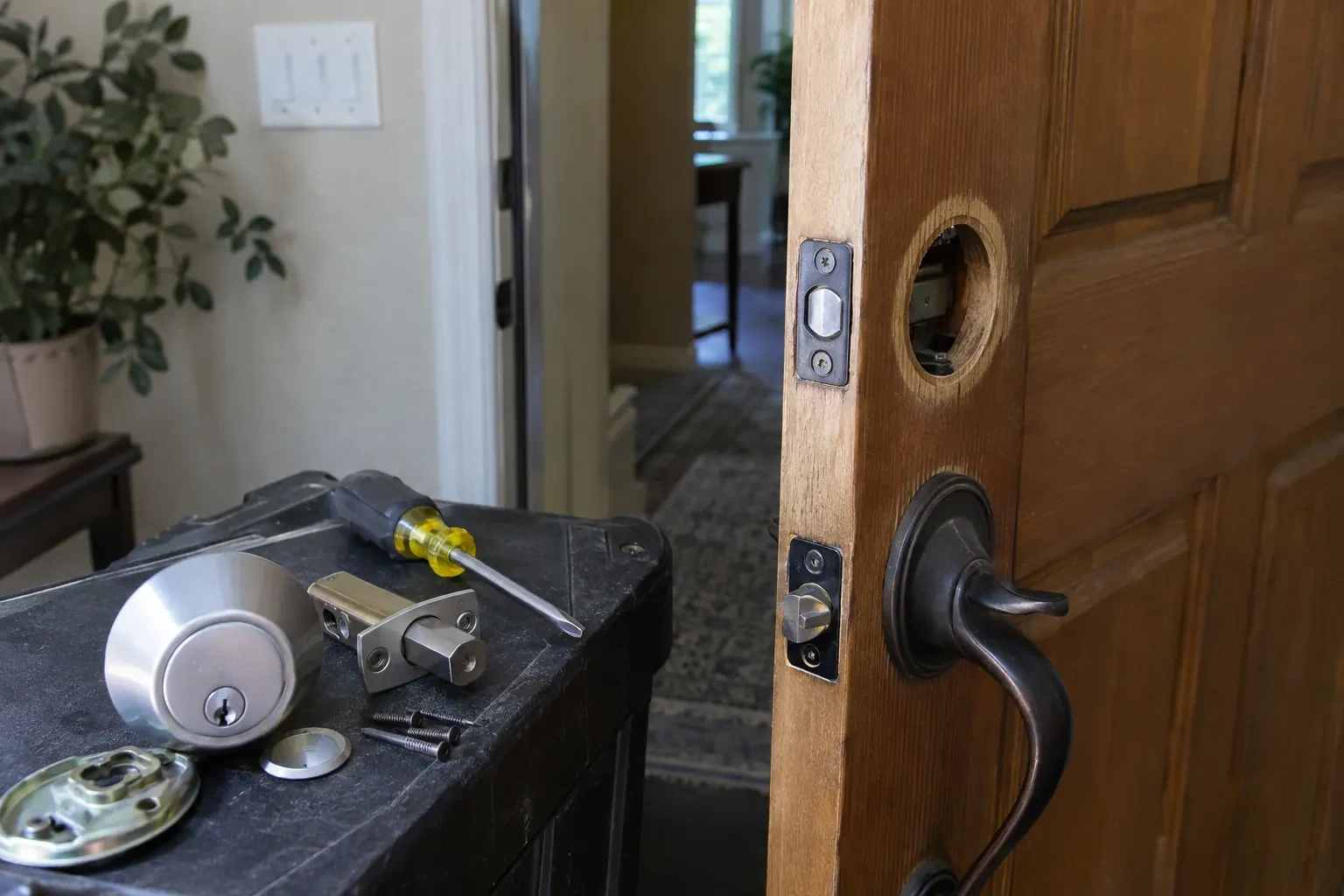
Reading the lock family
Every motorcycle lock has a shape and a history that tells the locksmith what they are working with. The keyway profile, the number of wafers, whether the plug is single- or double-sided, and any maker's mark on the lock face narrow down which key blank and which cutting code apply. Manufacturers reuse wafer counts across very different keyway profiles, so a lock that looks similar to another model can still refuse a blank cut for it. Identifying the lock correctly before cutting anything is what keeps the first key made for the machine the right one.
Cleaning and servicing a corroded lock
A lock gummed up by road grit or old grease is stripped down, its wafers and springs cleaned individually, and the keyway itself cleared of anything trapped against the wafers. Corrosion on a wafer's edge is worked off carefully rather than scraped away roughly, since removing metal changes the depth the key needs to lift it to. Once the mechanism moves freely again, it is dressed with whatever lubricant its own maker specifies, reassembled, and tested with the customer's key before the locksmith considers the lock itself resolved rather than simply hidden under a new cut.
Noticing trouble early
A key that has begun needing a small wiggle or a lift to turn, on a lock that used to accept it cleanly, is an early sign worth acting on before it becomes a lock that will not turn at all. The same goes for a steering lock that has started to feel stiffer than it used to, or a seat latch that catches before it releases. Addressing any of these while the key still works, rather than after it stops working altogether, is usually the calmer of the two visits.
Motorcycle & Scooter Keys
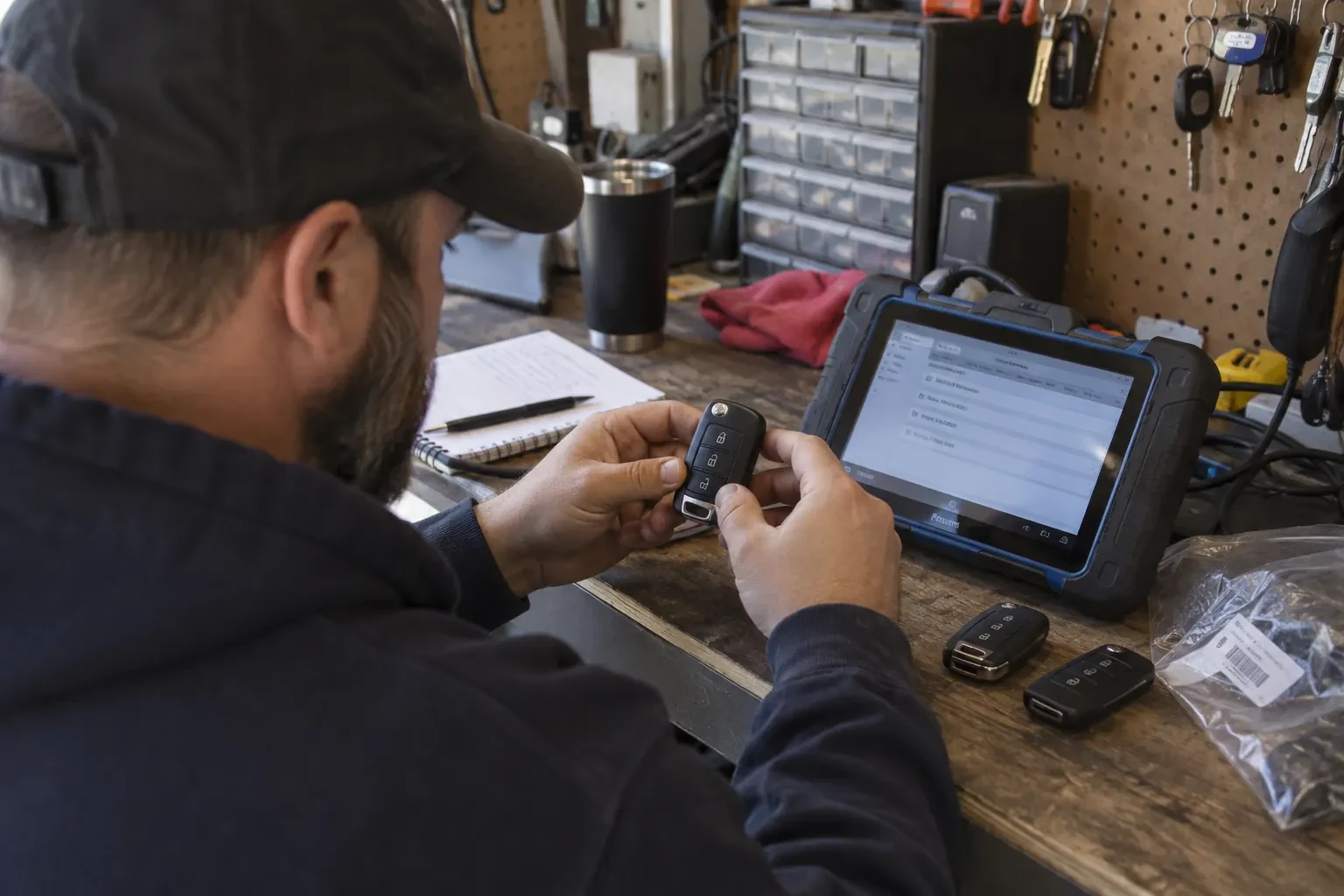
In the van
Replacement transponder chips
Fob shells and batteries
Transponder programming unit
Manufacturer-approved lock cleaner or lubricant
Wafer lock decoder
Motorcycle & Scooter Keys
What affects the quote
Number of new keys cut
Keys cut on site are counted individually. Two for a rider and a partner, or several for a household that shares the machine, is reflected directly in the total.
Make, model and age of the machine
Make, model and age decide how common the keyway and blank are. A widely used platform is usually the more straightforward case; an uncommon or older machine can take longer to source parts for.
Whether a working key already exists
Whether a working key still exists changes the job considerably: cutting or duplicating from one is the more direct route, while decoding a lock with nothing to reference takes longer and shapes the time reflected in the total.
What to have ready
- Do you have a key already, even one that works poorly?
- Does the engine crank but fail to start with the current key?
- Would you like every lock brought onto one key?
Motorcycle & Scooter Keys: questions
QuestionsDo you need the vehicle's VIN to make a key?
It helps but is not always required. The VIN can confirm the exact model and sometimes points to a factory key code on file, which speeds up cutting a key without reading the lock from scratch. Where the VIN is not available or does not lead anywhere useful, the locksmith works directly from the lock or an existing key instead, so a missing VIN slows the process rather than stopping it.
What should I do to look after a new key or lock afterward?
Very little beyond two simple habits: wipe the key clean before use, especially after a wet ride, and, where the lock's own maker calls for it, a light dose of the specified lubricant once or twice a year. Storing a spare somewhere other than on the machine itself rounds out the care a new key or lock generally needs.
My key needs a wiggle before it turns. Is that worth fixing?
It is worth acting on rather than living with. A key that needs a lift or a wiggle usually means the wafers inside the lock, or the key itself, have worn slightly out of true, and that wear tends to progress rather than stay the same. A fresh key cut from the original, or a light service of the lock, generally restores a clean turn well before the point where the key stops working altogether.