Locksmith in Toronto, OntarioAccess controlfor real buildings.
Fobs, keypads and card readers are only worthwhile when the doors, closers and wiring behind them are sound. We design small access systems for offices, clinics and multi-unit buildings, install them cleanly, and hand over a system your staff can actually manage.
Fobs, keypads and card readers are only worthwhile when the doors, closers and wiring behind them are sound. We design small access systems for offices, clinics and multi-unit buildings, install them cleanly, and hand over a system your staff can actually manage.
Local locksmiths who explain their work.
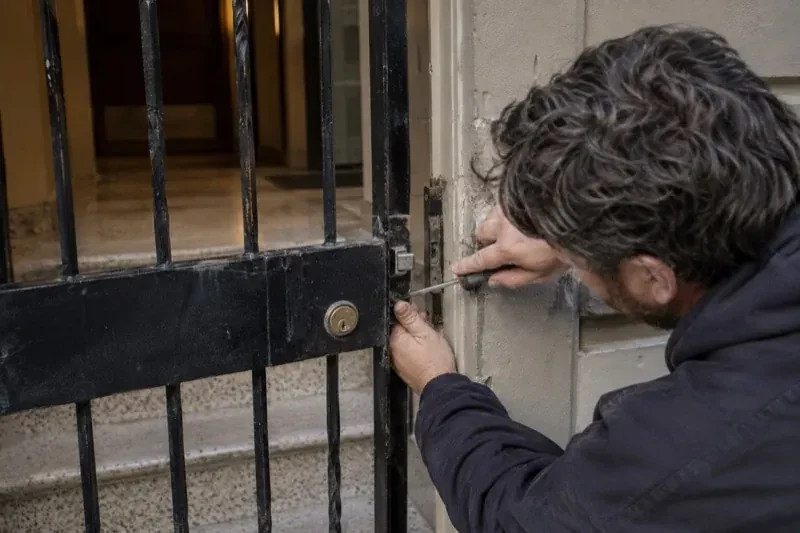
A gate, a shed, a detached garage, a mailbox at the end of the drive: outdoor hardware lives a harder life than anything on the house. Rain gets in, frost locks it up, and sun fades the finish. We choose cylinders and padlocks built for the weather, mount them so water drains rather than pools, and key them to match the house where that makes sense.
The key you reach for. The door you come home to. Good locksmith work begins with understanding how you use them.
12years in business
24/7open every day
Explained before any tool comes out. You will hear what we found, what we suggest and why, before anything is changed. If you want a minute to think, take it.
Choices, not a single answer. Most problems have more than one fix. We lay out the practical options and the trade-offs, then let you choose the one that fits your home and budget.
A tidy doorstep. Shavings swept, packaging taken away, the old hardware offered to you or disposed of. The only sign we were there is a lock that works.
Below are the jobs we handle most often. For each one you will find what it fixes, how a visit usually goes and what information helps us arrive with the right parts. If two services sound alike, call and we will explain the difference in a sentence.
The brass handleset has gone blotchy and green where the winter salt reaches it, and the coating on the deadbolt is lifting in flakes. It still locks, but it looks tired beside the fresh paint on the door.
You were shovelling the driveway after dark and the ring must have slid out of your coat pocket somewhere under a metre of snow. You have raked the whole bank with a flashlight. It will turn up in April, and you would rather not wait.
You have lost count of how many people have had a key to your house over the years: cleaners, a contractor, a former partner, the previous owner's family. The lock still works, but you no longer know who else it works for.
Businesses with pharmacies, records, cash or controlled stock need doors that hold under attack and keys that cannot be duplicated on a whim. The high security page covers cylinders, strikes, key systems and safes for those rooms, and how they fit alongside an alarm.
Business lockouts differ from home ones. Stock is waiting, staff are due, and the person at the door may not be the owner. We confirm who may authorise entry, open the door and, where a key has gone missing, rekey while we are there.
A software update reset the clinic's small safe overnight, and the receptionist's usual code now does nothing on a keypad that lights up but goes no further.
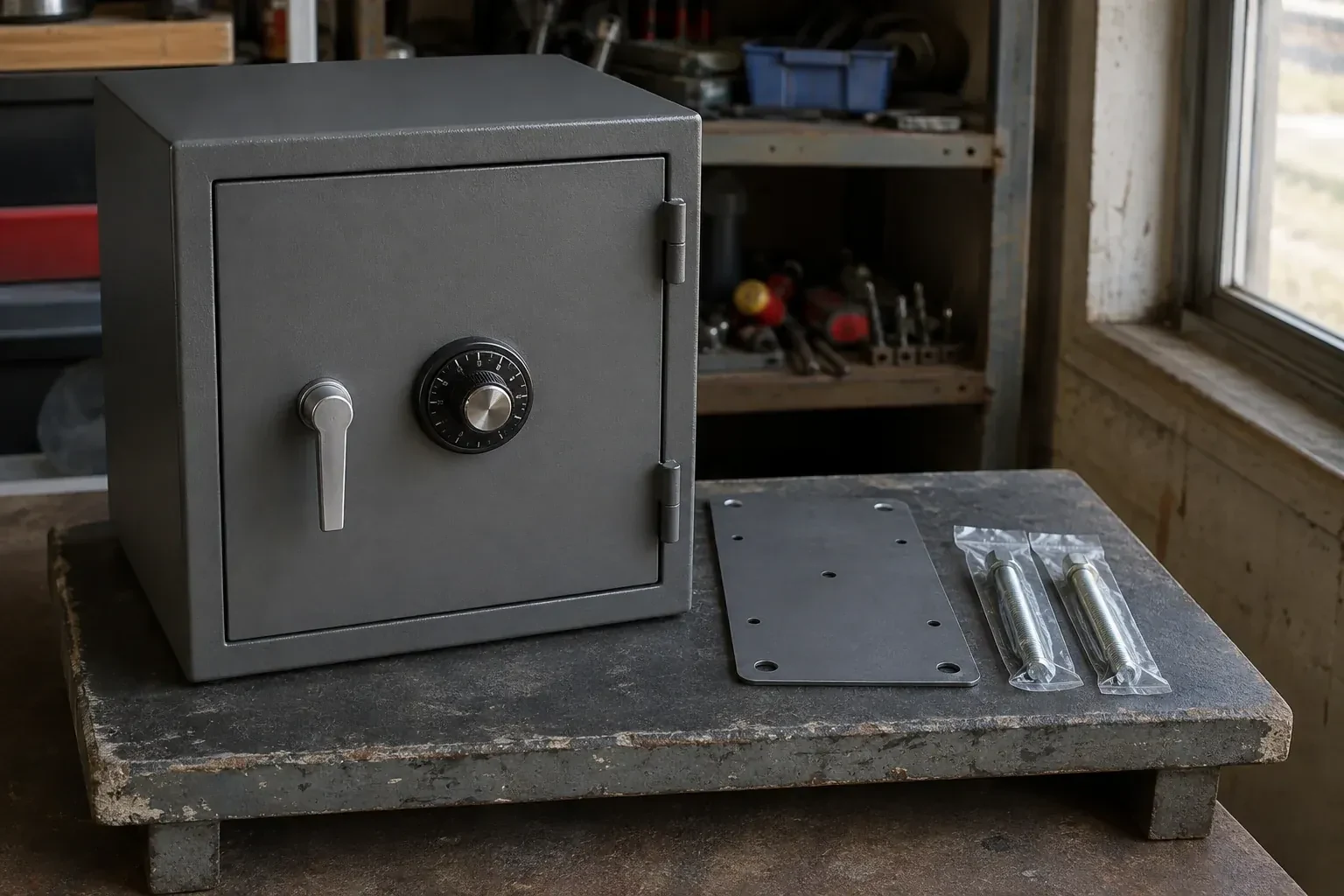
The accountant's office keeps a decade of client files in cardboard boxes because the only safe in the building is a small drawer safe meant for a laptop, nowhere near large enough for binders of paper.
WhyThe process behind a master key system runs from conversation to chart.
Deliveries arrive before anyone is scheduled to be there, which right now means either propping the loading dock open at dawn or handing a key to a driver you have never met.
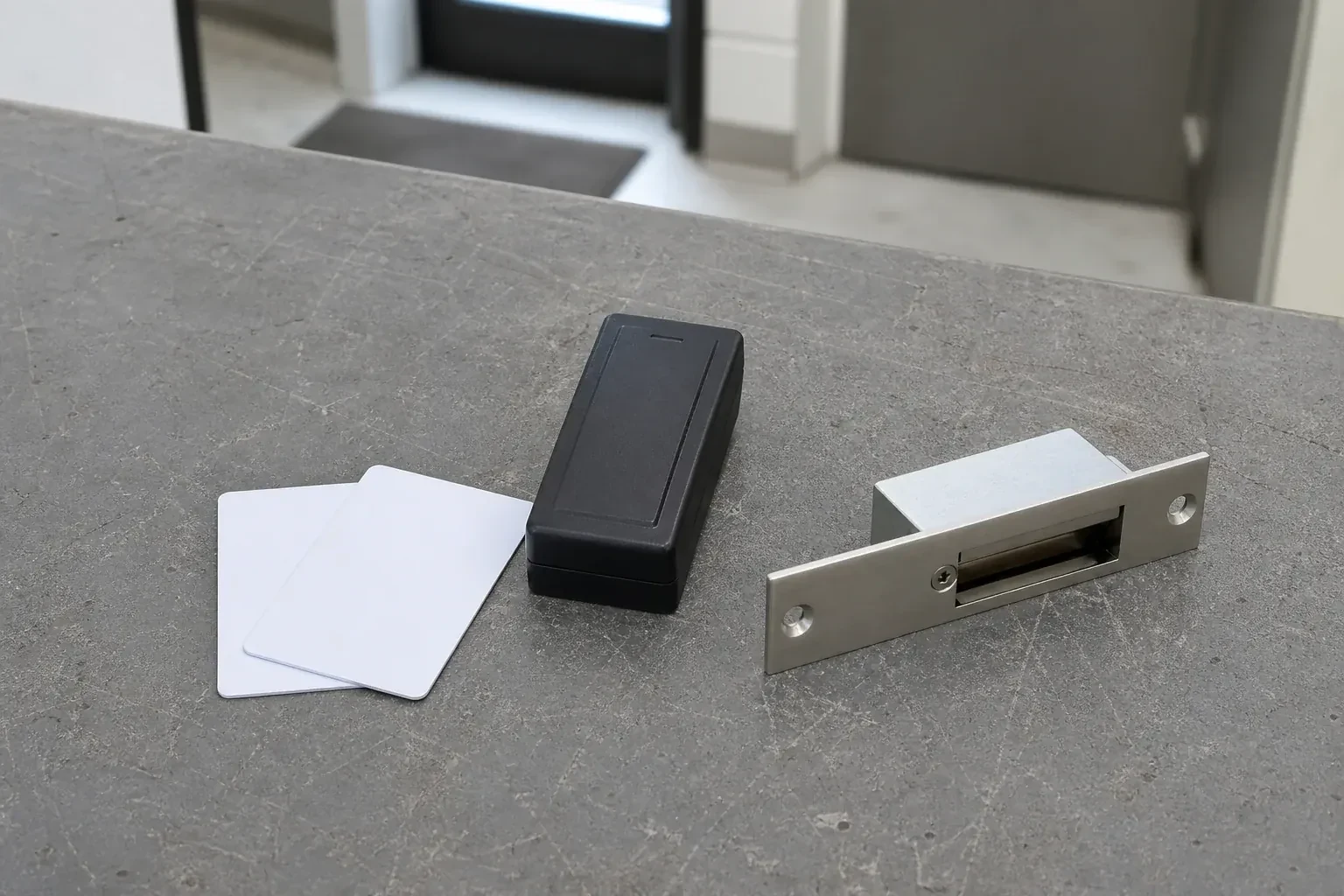
WhyLocking hardware varies by opening: an electric strike, fitted into the existing frame, keeps the mechanical latch and releases it briefly for a valid credential; a magnetic lock clamps the door shut with an electromagnet and suits a frame or door that will not take a strike; and some openings use an electromechanical lock or a different controlled lockset entirely.
How a visit goes
Describe the property, the hardware and what has changed, and the visit starts from what you have seen.
1
2
3
01
Counting the doors and keys
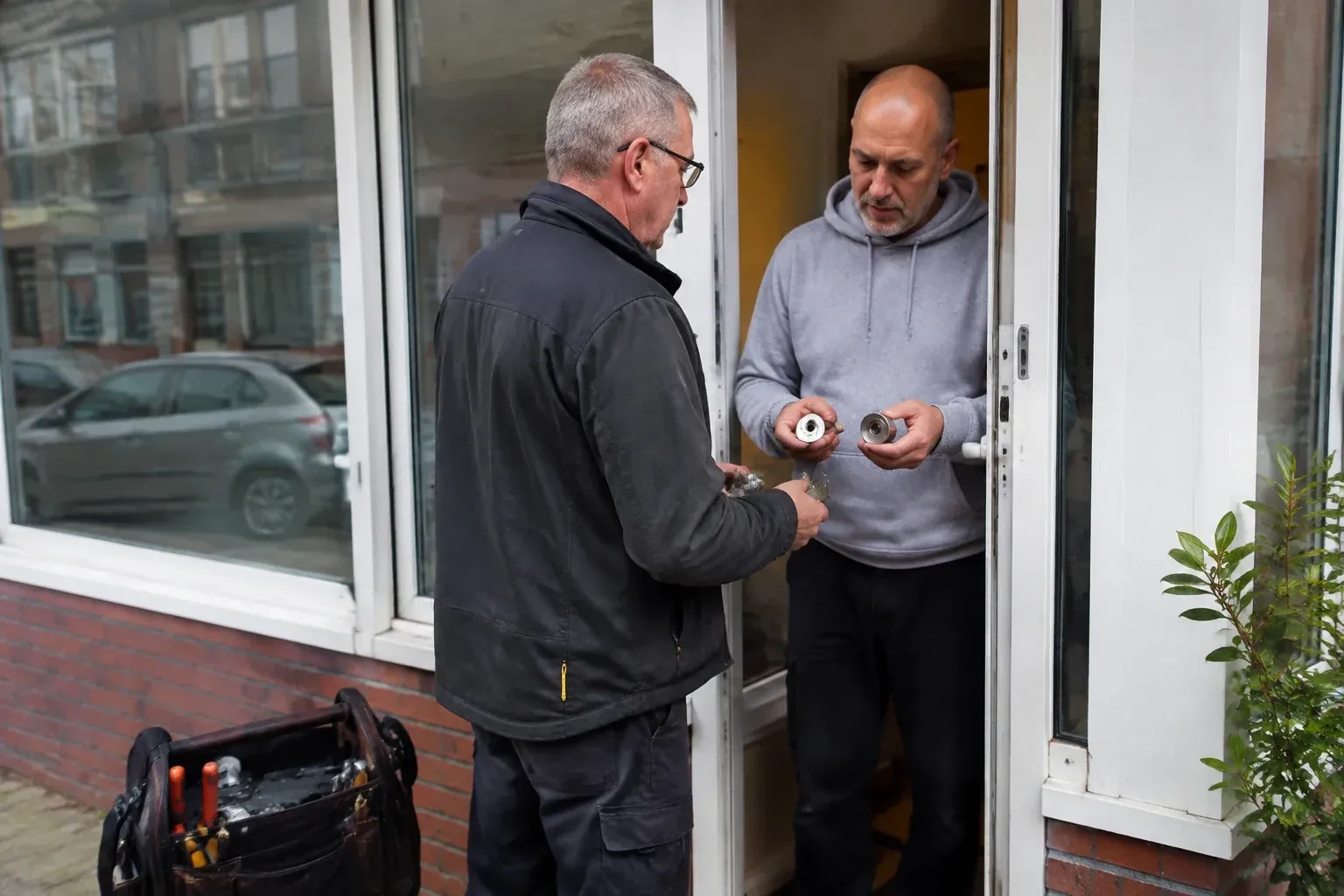
We walk the house with you, note every exterior lock and ask which doors you want on one key. That decides the pin work and the number of keys to cut.
02
Pinning the cylinders
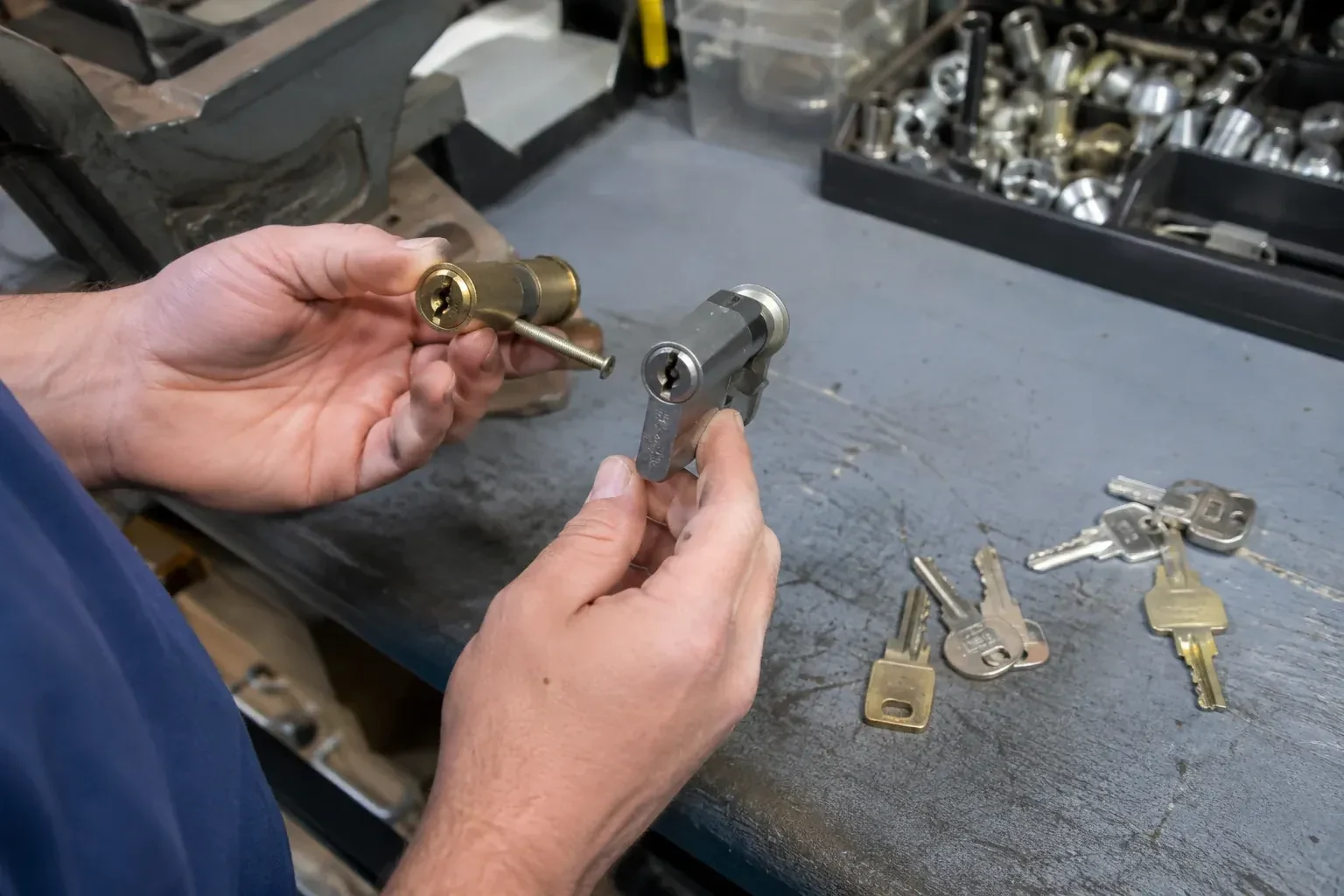
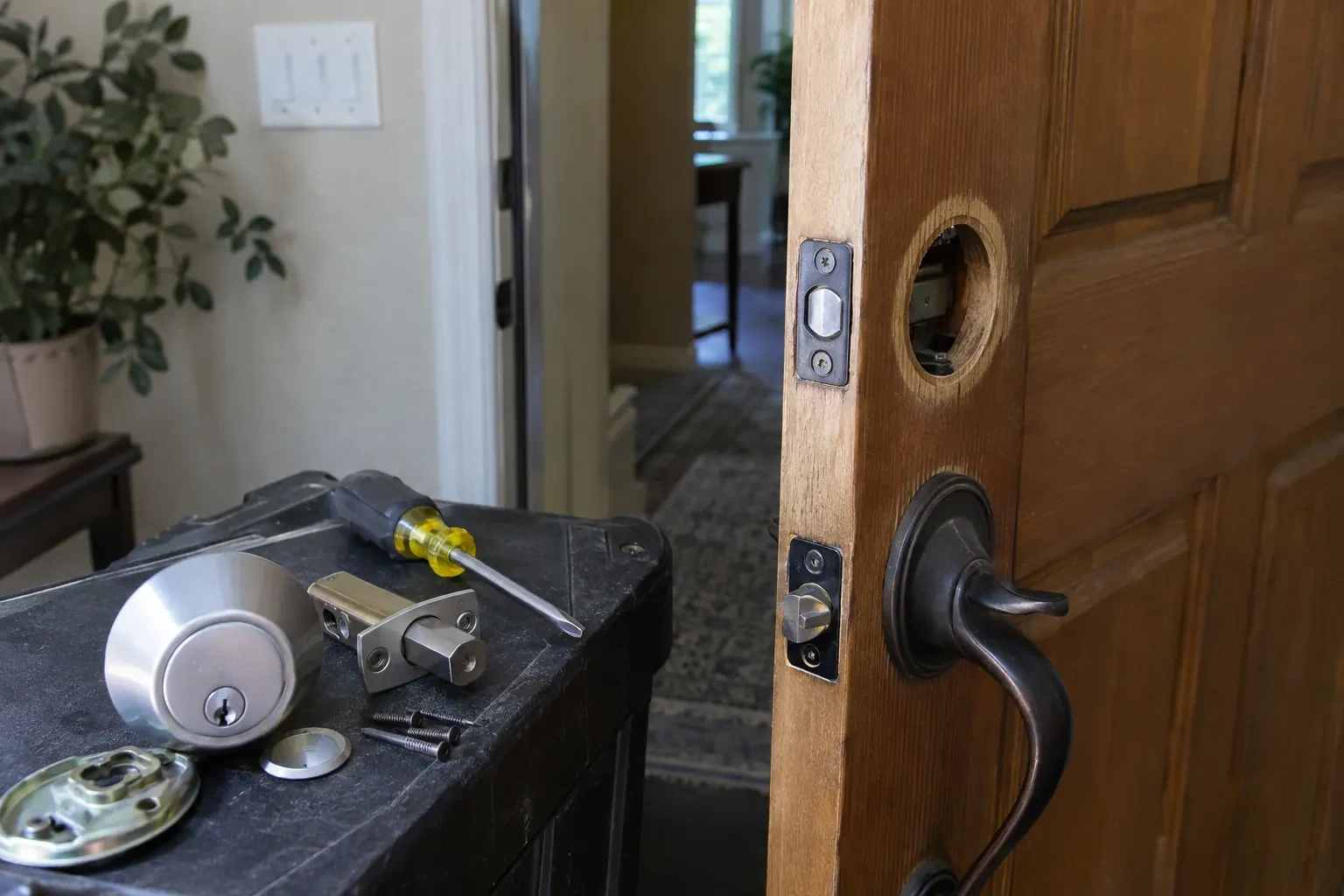
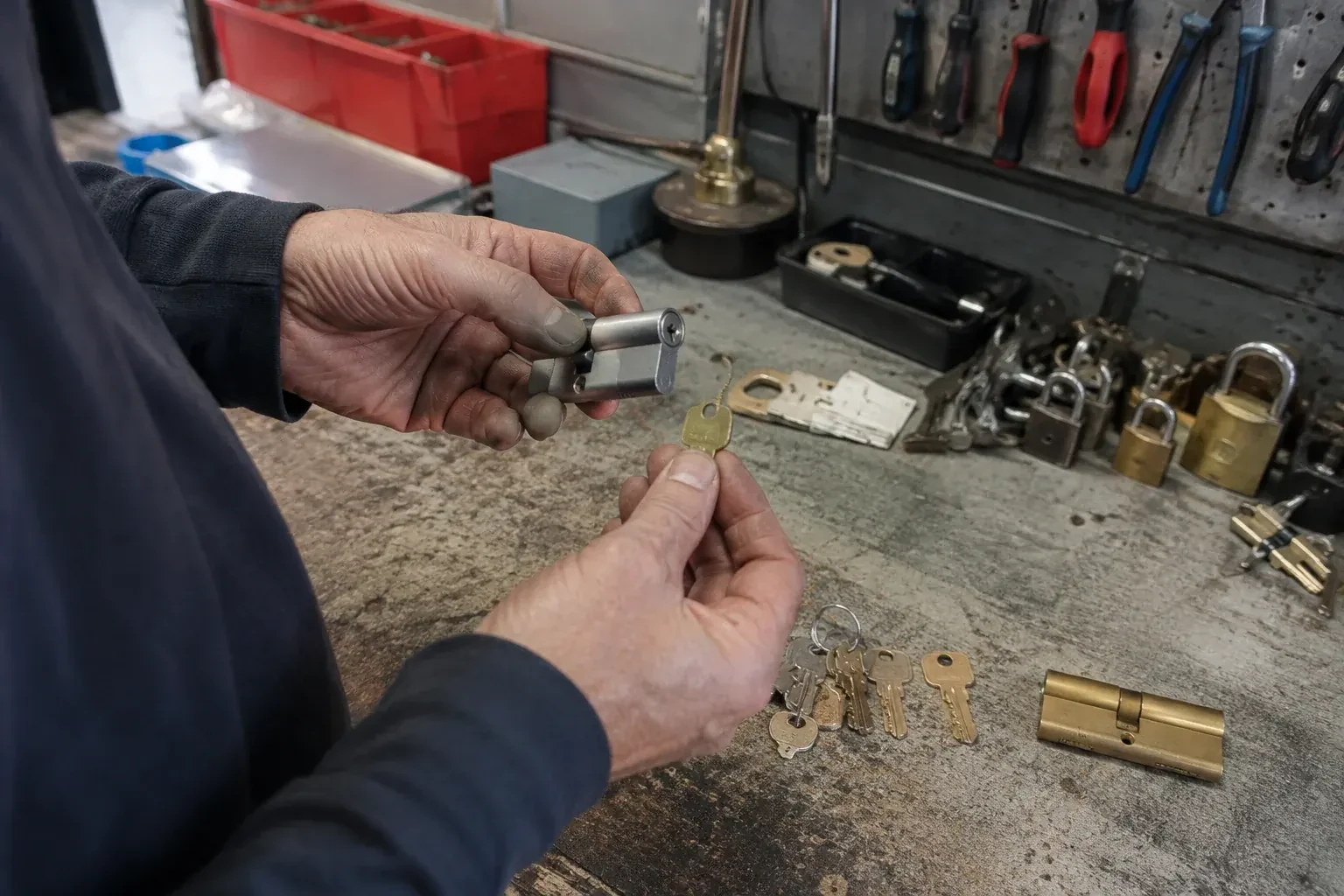
Each cylinder comes out, gets new pins to match a fresh key, and goes back in. Old keys stop working the moment the cylinder is back in place.
03
Testing every door with every key
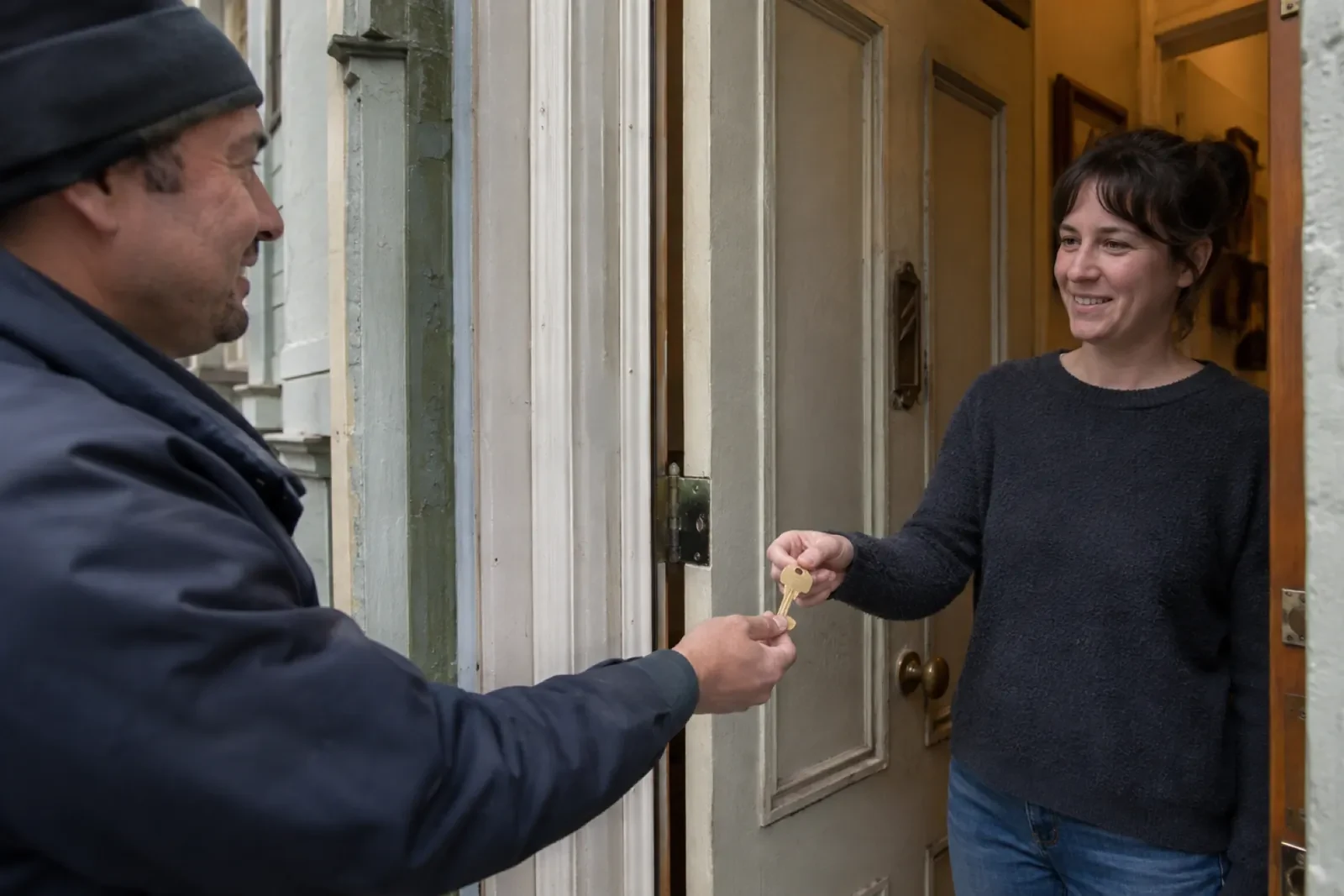
We try each new key in each lock, from outside and inside, hand you the set and explain how many copies exist so you know exactly who can get in.
About 58% of homes in Toronto were built in 1980 or earlier, according to the 2021 Census.
Older homes
Decades of seasons move a frame, and an older house often has a front door that locks easily in summer and fights in winter. Setting the strike with the seasons in mind, and choosing a lubricant that stays fluid in the cold, keeps it working year round.
Single-detached houses make up about 23% of homes in Toronto (2021 Census).
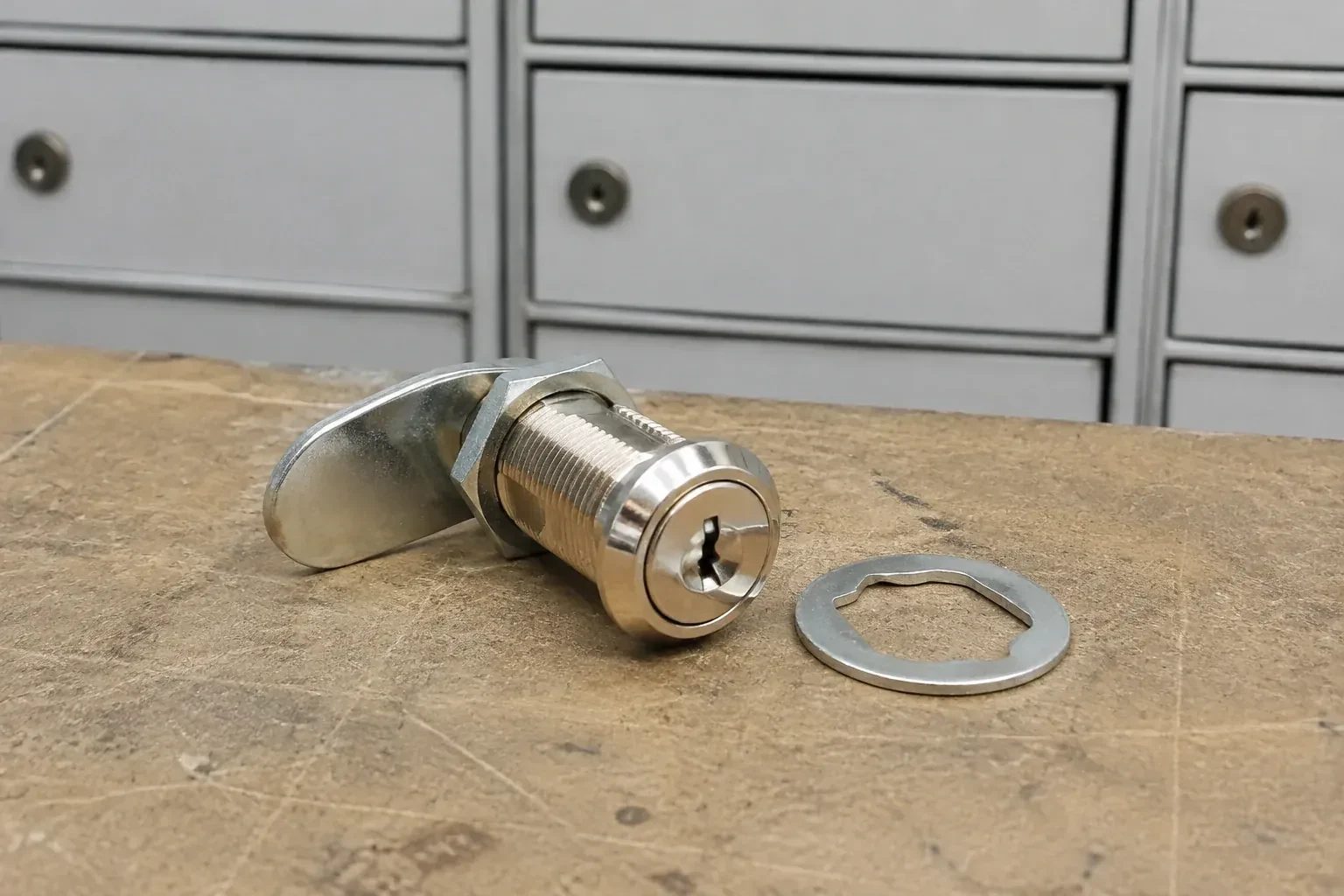
Where housing is mostly apartments and condos, mailbox locks are a regular call. A worn or lost mailbox key is a small job that a locksmith handles alongside the suite door, and the new lock comes with fresh keys cut on the spot.
What is an interchangeable core and why is it suggested for staff turnover?
A small-format interchangeable core is a small figure-eight cylinder that slides out of the lever, deadbolt or padlock when a control key is turned, with no tools needed; larger doors sometimes use a large-format core with a different profile instead. A manager keeps the control key in the safe and a few spare cores on hand, so a missing key means the core is swapped in moments and repinned later. For a business with frequent staff turnover, it turns a call-out into a routine.
We lost a master key. Does the whole building need doing?
Only the cylinders that master opened, which the keying chart identifies. If the lost key was the top master, that is every lock in the system; if it was a departmental master, it is that department's doors. Where no chart exists, the locksmith reads the cylinders first to establish what the key reached. The remaining doors, and any keys that never opened them, are left exactly as they are.
Should we rekey every time an employee leaves?
Rekey when a key has not come back or when the departure was unfriendly; when a key is returned and the register confirms it, the cylinders it opened are as secure as before. Businesses that want a response to every departure without a visit each time fit interchangeable cores and swap them in-house. Whatever the trigger, dealing with only the cylinders that key opened keeps the response proportionate.
Will the new cylinder fit my existing locks?
Usually. High security cylinders are made in the common formats: key-in-knob and lever, rim, mortise and interchangeable core, and many are designed to drop into popular residential and commercial locks. The locksmith identifies your format and confirms fit before ordering. Where a lock is an odd size or in poor shape, a matching lock body is fitted instead, and the door preparation is reused wherever it is standard.
Request a visit
We plan visits around how people in Toronto live. A shop wants the work done before opening or after close. A family wants a time when someone is home and the dog is put away. A landlord wants the unit done between tenants. Tell us the window that suits you and we build the day around it, then call when the van is on its way.