Lockouts · Toronto
Lost Keys — Same-Visit Rekey
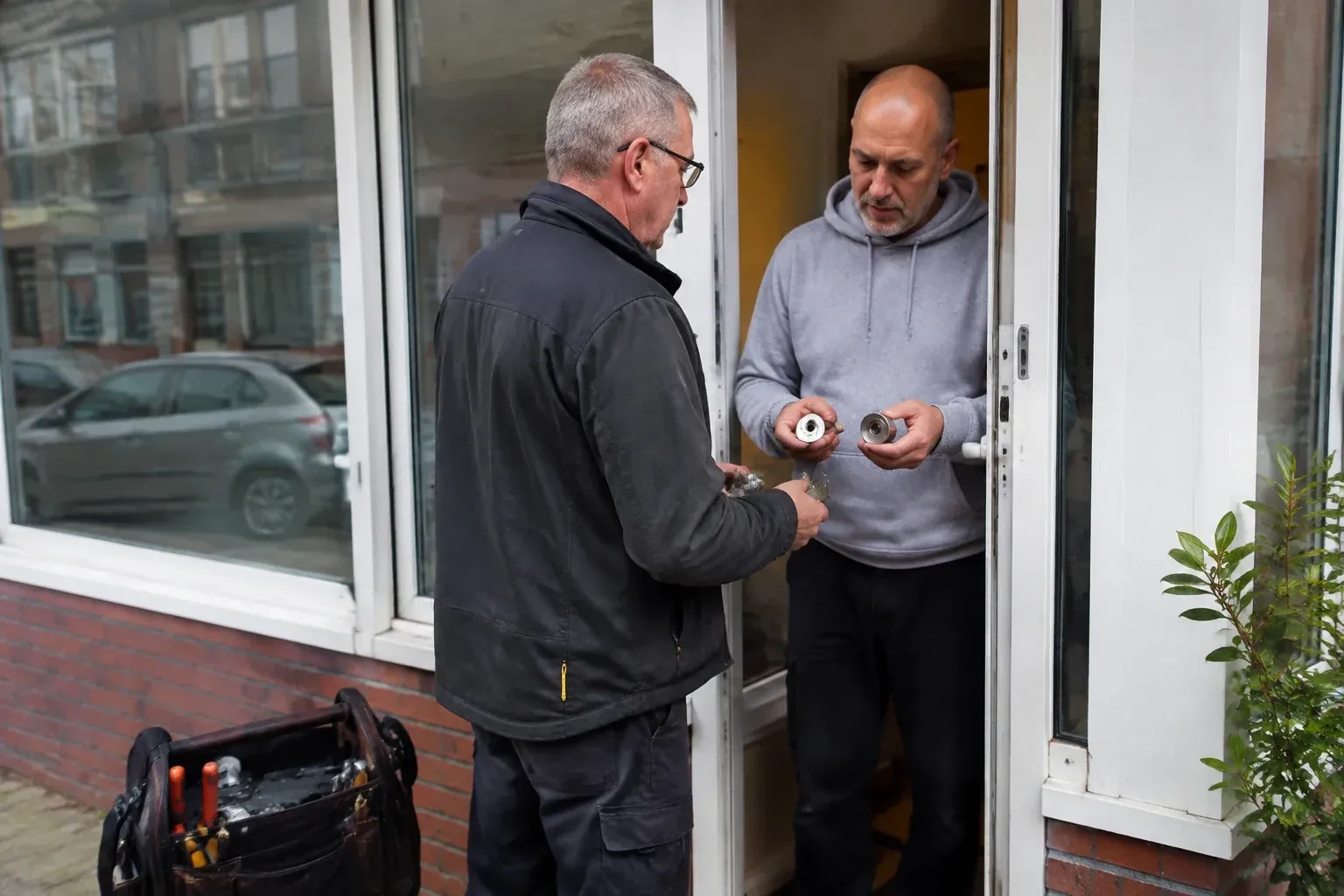
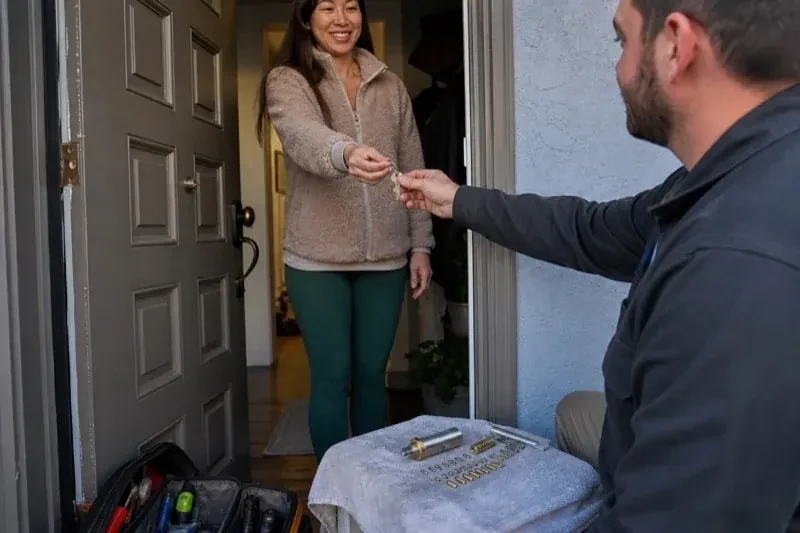
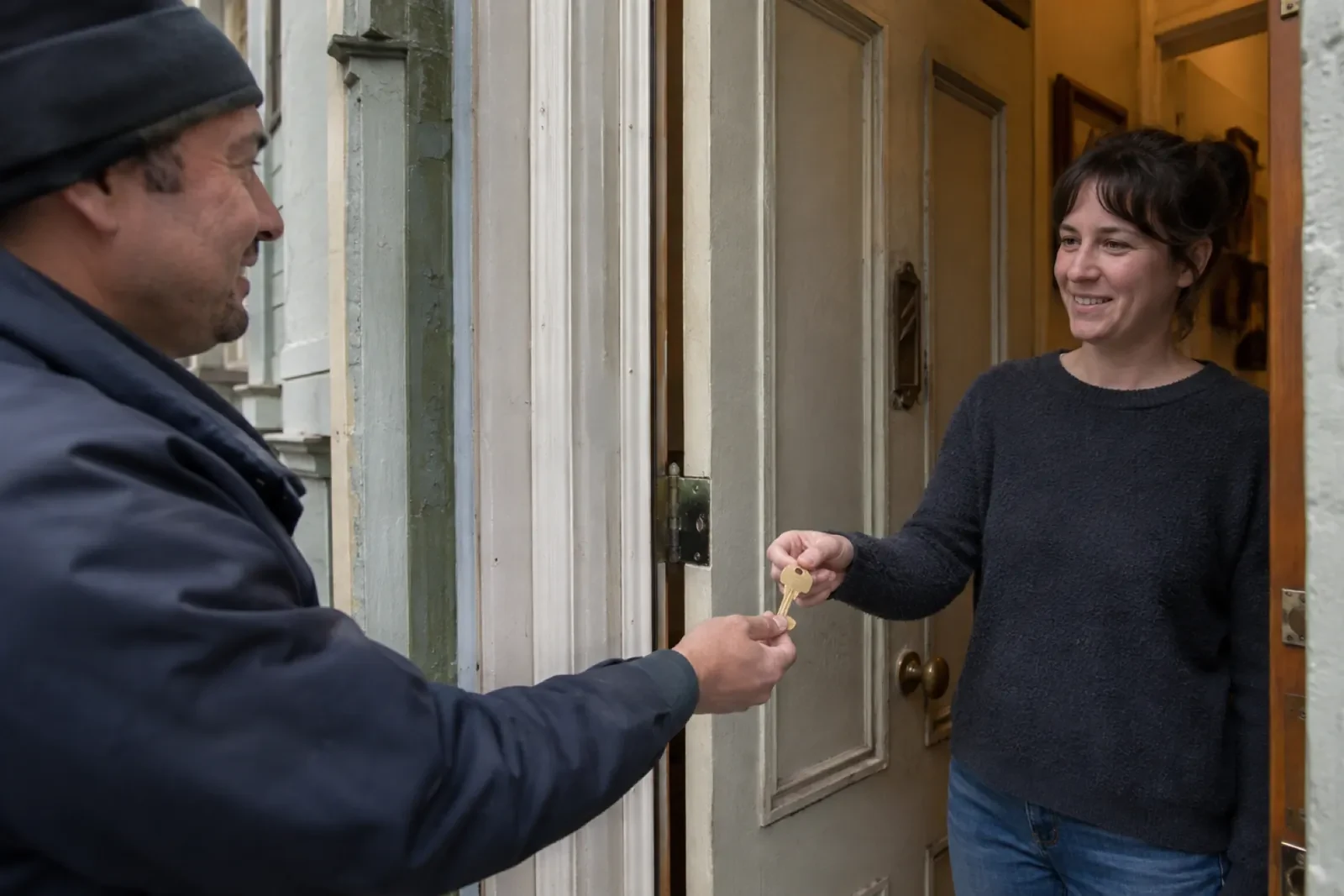
The lawyer's envelope held two keys for the new house.
In plain words
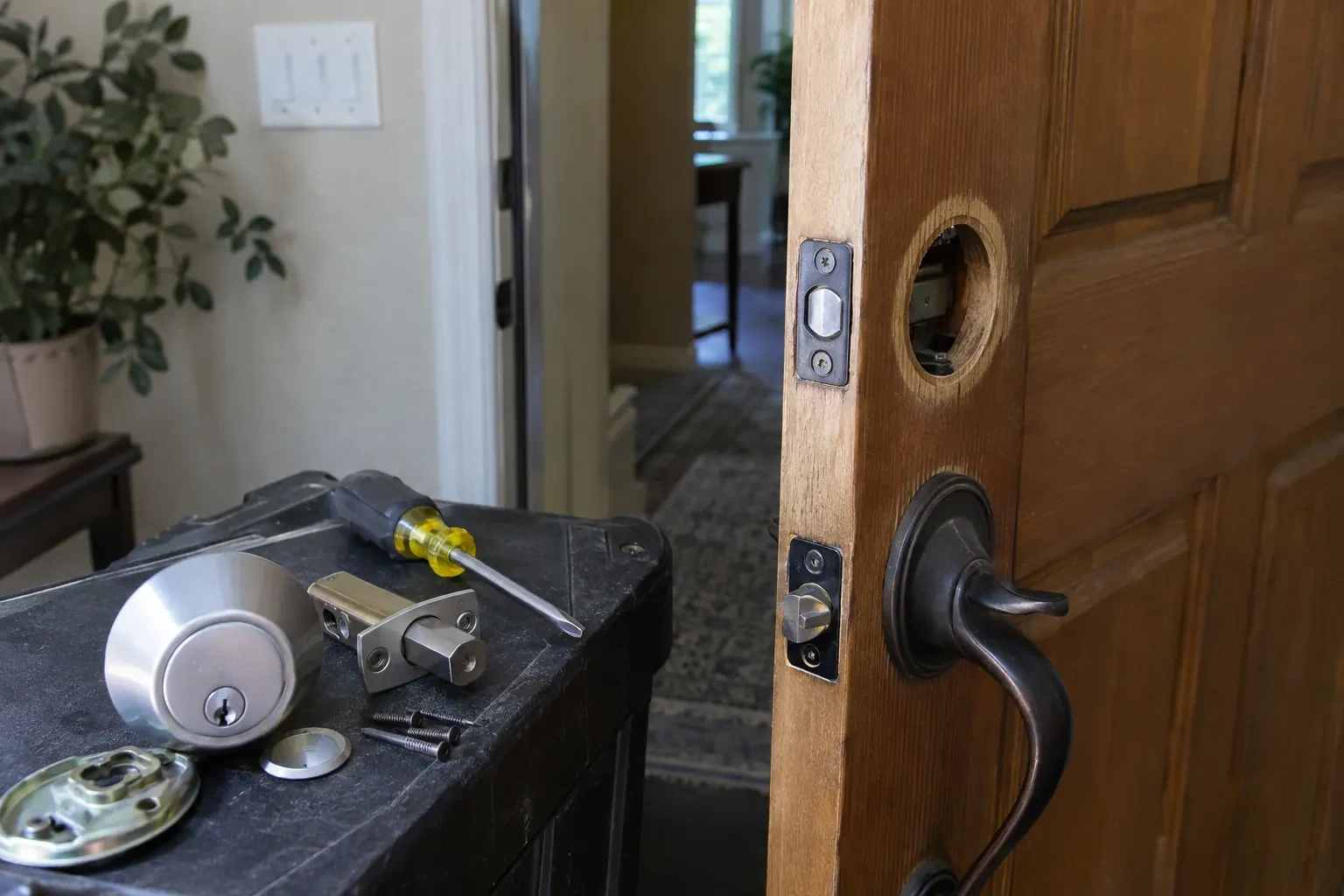
When a key disappears, cutting yourself another copy solves the wrong half of the problem. You can get in again, but so can whoever finds the original. A same-visit rekey turns that around: the locksmith works through each cylinder the missing key operated, fitting new bottom pins on a conventional lock or resetting a homeowner-rekeyable one through its own procedure, and refits the lock to the door. The lost key still slides into the keyway but no longer lifts the pins to the right height, so it turns nothing. You leave with fresh keys cut on site and the same locks you already had.
How the visit goesYou were shovelling the driveway after dark and the ring must have slid out of your coat pocket somewhere under a metre of snow. You have raked the whole bank with a flashlight. It will turn up in April, and you would rather not wait.
Lost Keys — Same-Visit Rekey
How the visit goes
Confirming who is asking for the change
A rekey decides who can open a door from now on, so the locksmith starts by confirming that the person asking has the standing to decide. Photo identification matched to the address does it for an owner. A tenant shows a lease or a recent bill along with identification, and mentions whether the landlord knows. A property manager or superintendent shows the management connection and says which units or doors are theirs to authorise. None of this is suspicion; it is the same care that stops a stranger with a convincing story from having your own locks reset against you. When something is missing, the locksmith says what would settle it and waits.
Testing every key in every lock before leaving
The last part of the work is deliberate repetition. Each new key is tried in each cylinder it should open, with the door open and again with it closed and bolted, so a pin that feels fine on the bench is proven on the door. The old key is tried too and shown turning nothing. Cylinders that were dry or gritty get the lubricant their maker specifies, a puff of graphite, PTFE or a specified liquid product, and a few cycles to spread it. Screws are checked snug, covers seated, and the pile of old keys and any swapped cylinders is handed to you or taken away as you prefer. Only then is the key count confirmed and written down.
When to think about rekeying again
Rekeying is a repeatable act, and after this visit you know what triggers it. Moving into a new home, because previous occupants and their helpers may hold copies. A contractor or tenant leaving without handing a key back. A separation or a change of roommates. A ring lost with anything that names your address. Manufacturers list exactly these moments, and a household that treats them as routine stays in control of its doors for decades with the same hardware. The locks on the door today can be repinned many more times; only the small pins and the keys change each time.
Lost Keys — Same-Visit Rekey
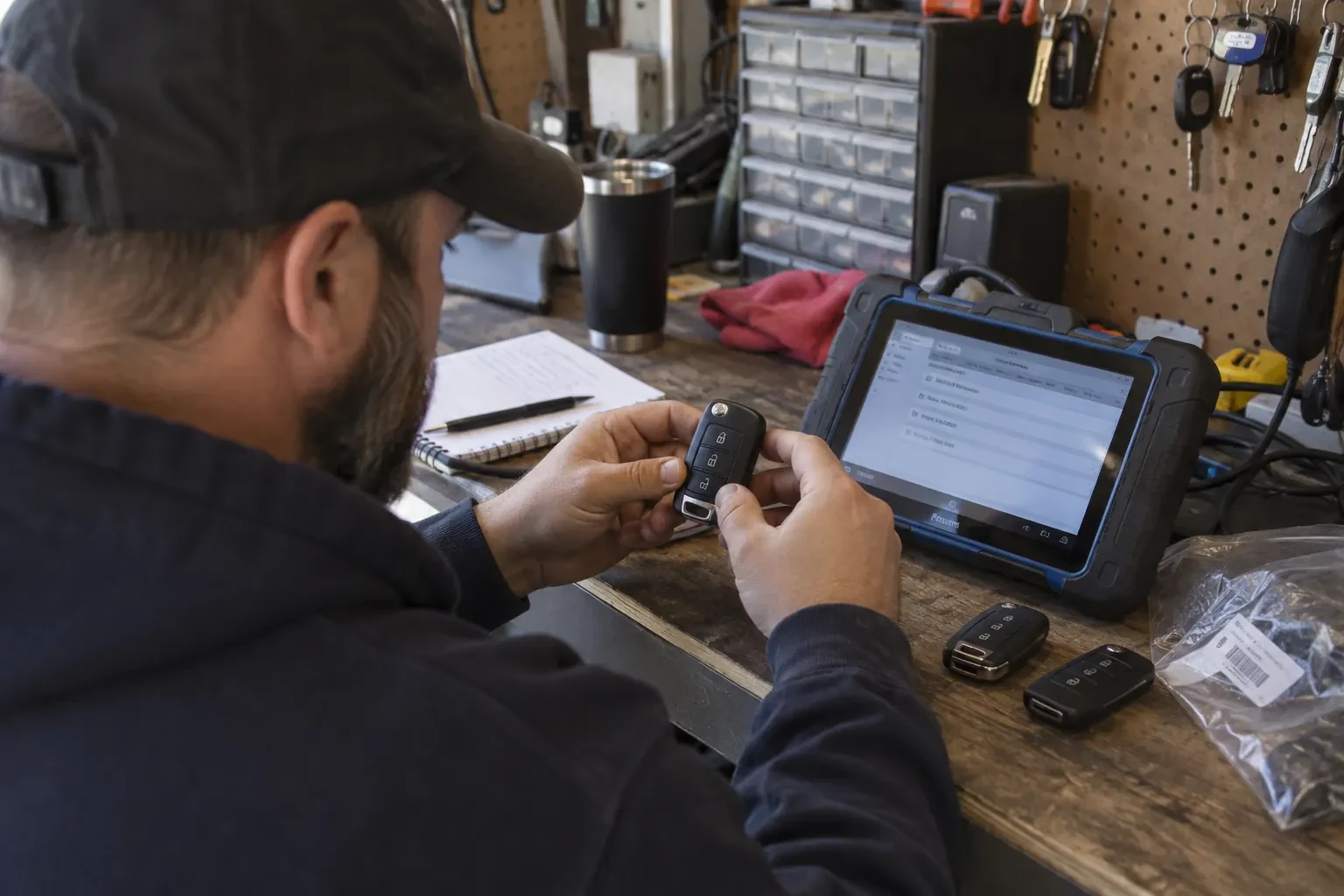
In the van
Key tags and a key register
Plug follower set
Cylinder retaining-clip and cap tools
Key gauge and decoder
Code key machine
Lost Keys — Same-Visit Rekey
What affects the quote
How many cylinders are on the list
A front door with a deadbolt and a handle is two cylinders. Add the back door, the garage entry, a side door and a shed and the count climbs, and the quote follows the number of cylinders repinned.
Getting to each cylinder
Doors spread across a large lot, a suite up several flights behind a locked lobby, or a gated property with a padlock at the road add walking and waiting time that the quote allows for.
Electronic credentials on the same ring
Clearing a garage opener's memory and re-pairing remotes, changing keypad codes or helping report a building fob are small tasks the quote names separately.
What to have ready
- Do you own the property, rent it, or manage it for someone else?
- Which doors did the missing key open: front, back, side, garage, shed, gate?
- Was a garage remote, building fob or car key on the same ring?
Lost Keys — Same-Visit Rekey: questions
QuestionsCan all my doors work on one key afterwards?
Usually, yes. Cylinders that share a keyway family accept the same blank, so they can be pinned to one combination during the rekey. The front door, back door, garage entry and a gate padlock of the same family become a single key. Where a door uses a different family, the locksmith can swap its cylinder for a compatible one in the same visit, or you can choose to keep two keys for that door.
What is a restricted keyway, and is it worth having?
A restricted keyway uses a controlled key profile whose blanks are supplied only through an authorised channel; the credential required, a letter, a registered account, a dealer agreement or a key card, depends on the system. Rekeying such a cylinder is routine work with the right pin kit. For a household that has just lost a key and wants the next one to be truly countable, it is a sensible upgrade for the main doors, and it can be fitted during the same visit.
Can I just have another key cut instead?
You can, and it solves being without a key. It leaves the lost one working, though, which is the half of the problem that keeps people awake. Rekeying takes about as much effort as a trip to a hardware store counter and ends with a new key in your hand and the old one retired. If the key was mislaid somewhere it will never be found and named nothing, a plain copy is a fair choice.