Lockouts · Toronto
Business Lockout Service
The key went in stiffly, turned a quarter of the way, and came out in two pieces.
In plain words
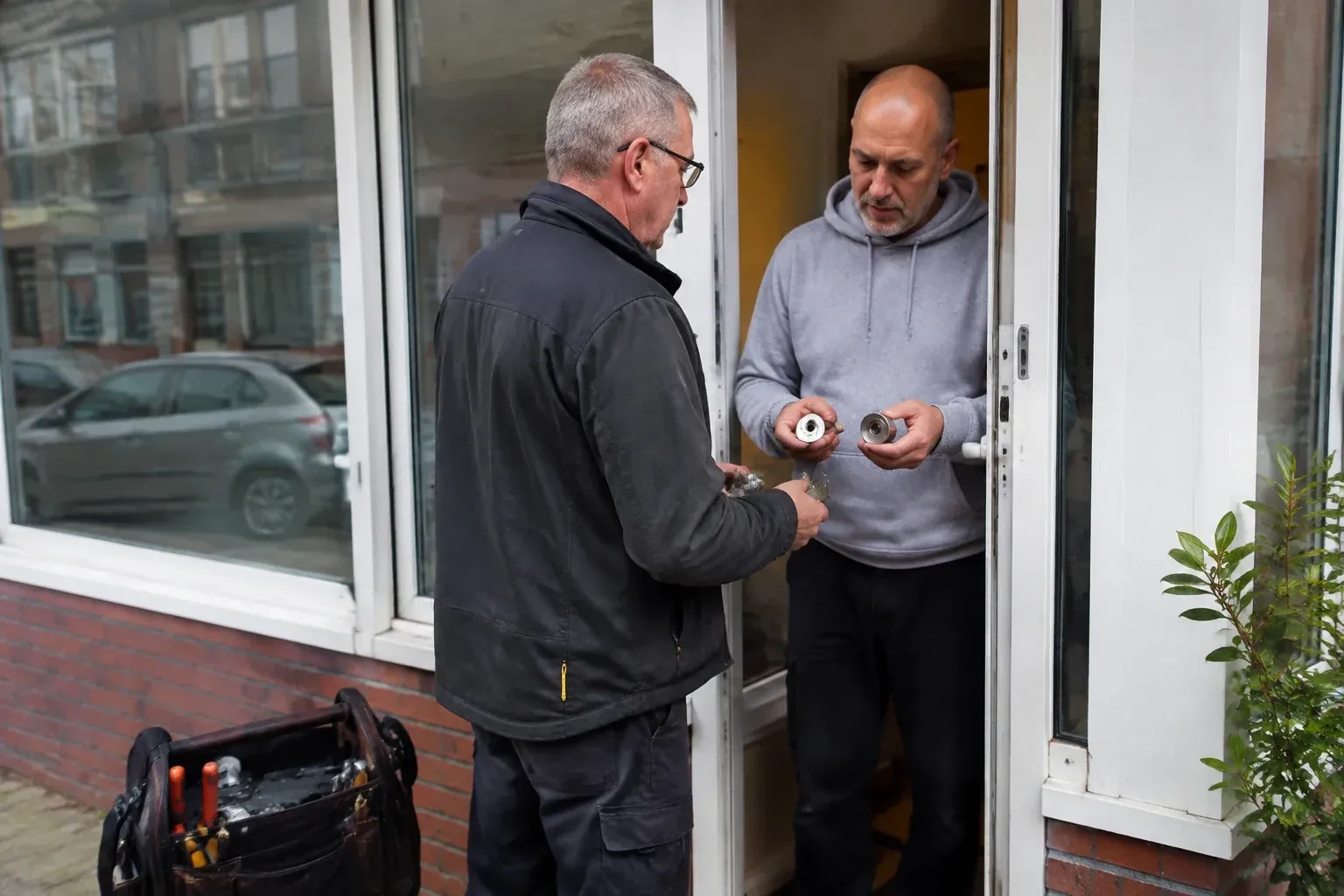
Businesses are locked out by people as often as by hardware. A keyholder is away, a former employee still has a key, a master key has gone missing, or the only spare lives in a drawer behind the locked door. A business lockout deals with the door in front of it and then with the pattern behind it. Cylinders can be rekeyed or removable cores swapped so an unreturned key becomes useless, new keys are cut and recorded against named holders, and a second keyholder or a lockbox is set up so that one absence never again closes the business for a morning.
How the visit goesThe heavy glass door has been scraping the threshold for weeks. This morning the key turns, you can hear the bolt trying to move, but it is jammed hard in the strike and the door stays shut no matter how the handle is pulled.
Business Lockout Service
How the visit goes
What happened to the key
The story of the key shapes everything after the door opens. A key sitting in an absent manager's pocket means the lock is sound and only entry is needed. A key that was lost on transit or never returned by a former employee is still out there, and the visit should end with that key made useless. A key that turned without result points to a worn cam or a failed deadlatch spring, and a key that snapped calls for careful extraction before any opening. A lock that worked at closing and refuses at opening suggests cold, grit or a dropped door rather than a cylinder fault. A minute on this saves a repeat call.
Non-destructive first, on every commercial door
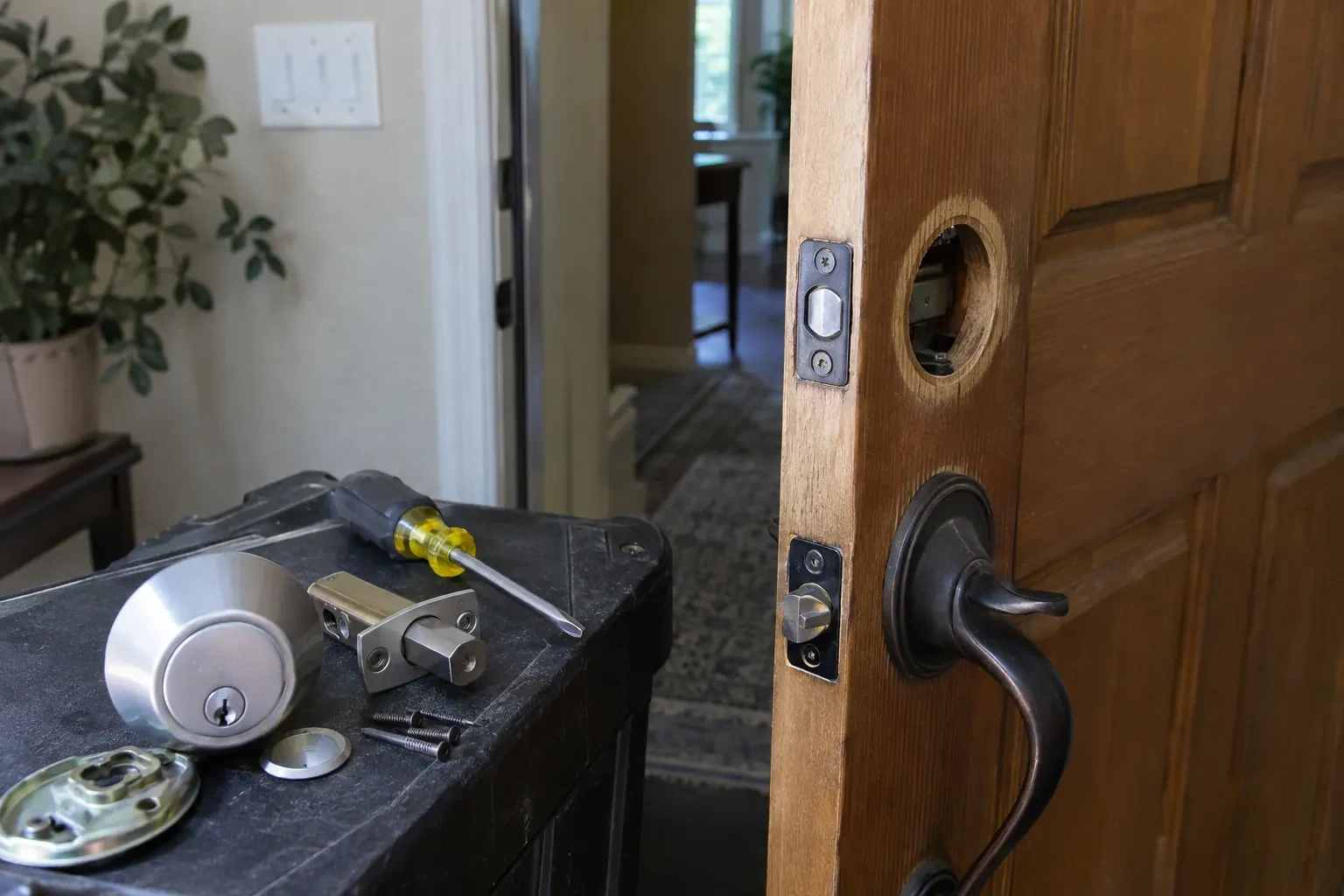
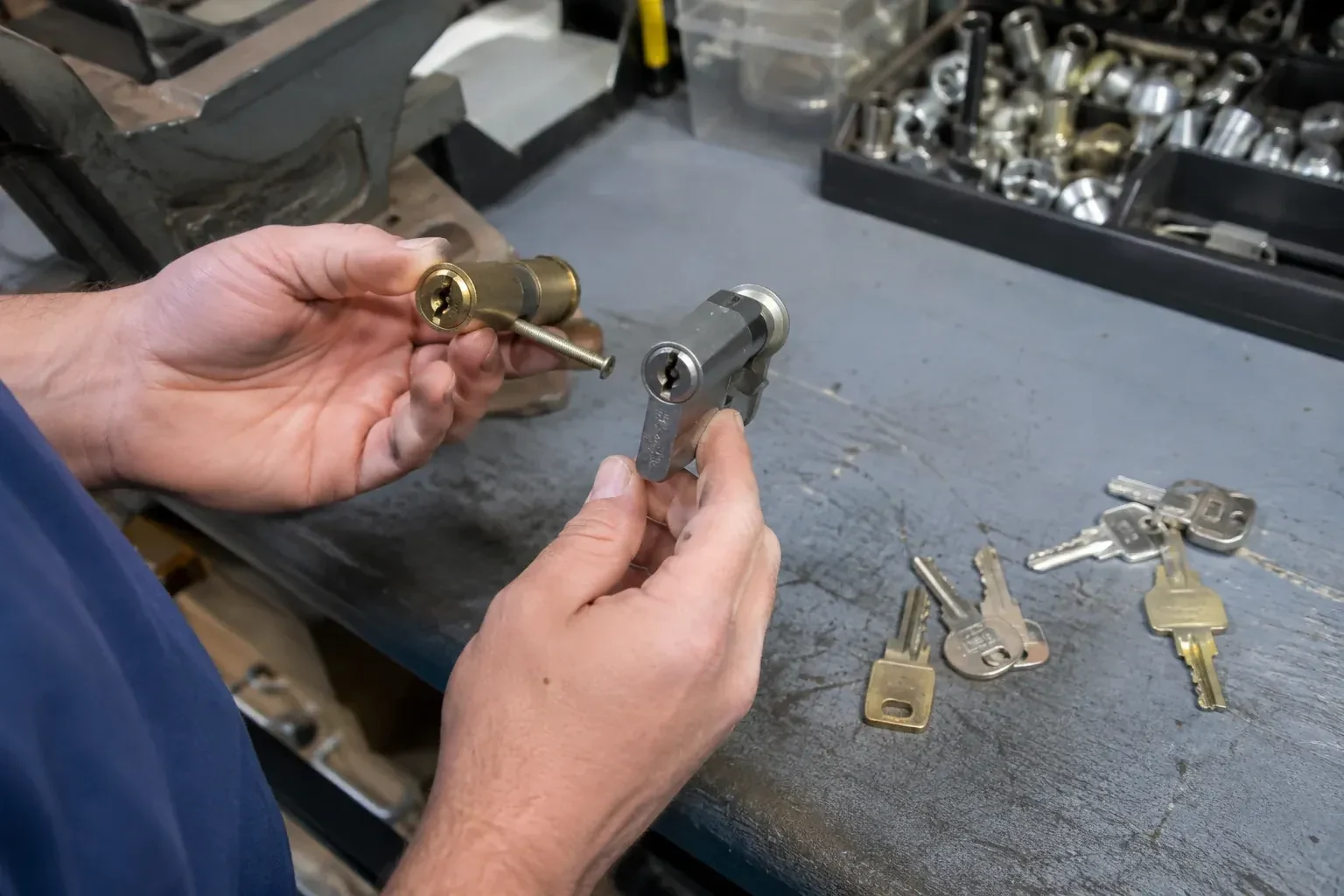
Commercial cylinders are built to a higher standard than most residential ones, but the order of work is the same. The locksmith begins with methods that operate the mechanism as a key would: picking or decoding the mortise or rim cylinder, or pulling a removable core with a control key when the building uses one. Next come bypasses that suit the specific hardware without cutting anything. Drilling sits at the end of the list and is discussed before it begins, aimed only at the cylinder, with a replacement fitted in the same visit. Working in this order keeps the storefront, the trim and the lock body as they were, and the business back on its own keys.
Ready for the rest of the winter
A storefront cylinder that froze is handed back dried, cleaned of salt and dressed with a dry lubricant that sheds moisture instead of trapping it. A tube of lock de-icer for the opening manager's coat pocket and a keyhole cover on the most exposed door are small habits that carry a business through a season of freeze and thaw. The closer is adjusted for cold weather so the door still latches when the fluid thickens, and the threshold is checked for the ice ridge that forms where slush is tracked in. If the same door freezes every year, a weather-shielded cylinder or a small vestibule heater is worth a conversation.
Business Lockout Service
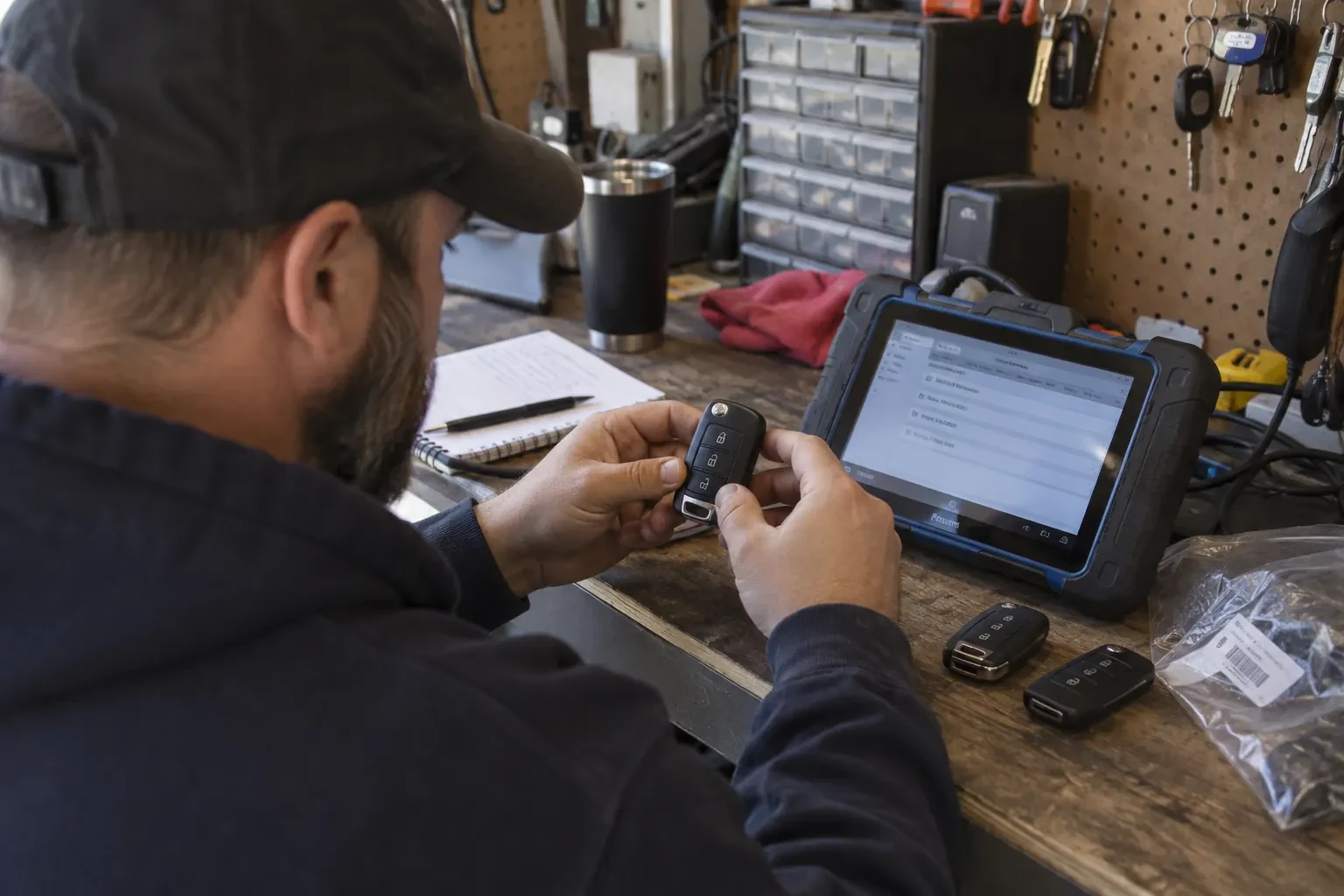
In the van
Exit device trim cylinders and dogging keys
Lock de-icer and dry PTFE lubricant
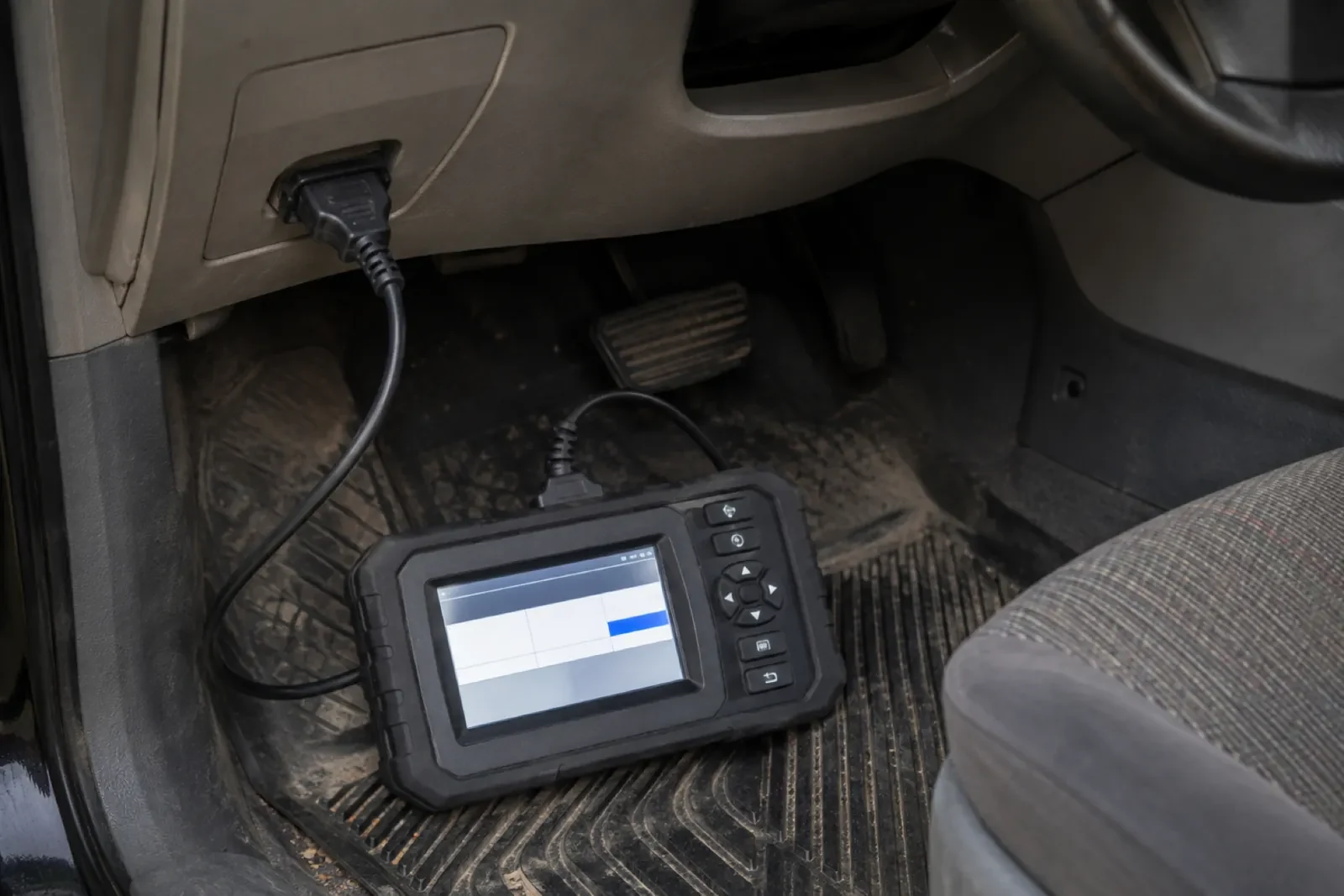
Key blanks and code cutter
Broken key extractors
Control keys and core-removal tools
Business Lockout Service
What affects the quote
Rekeying or swapping cores afterwards
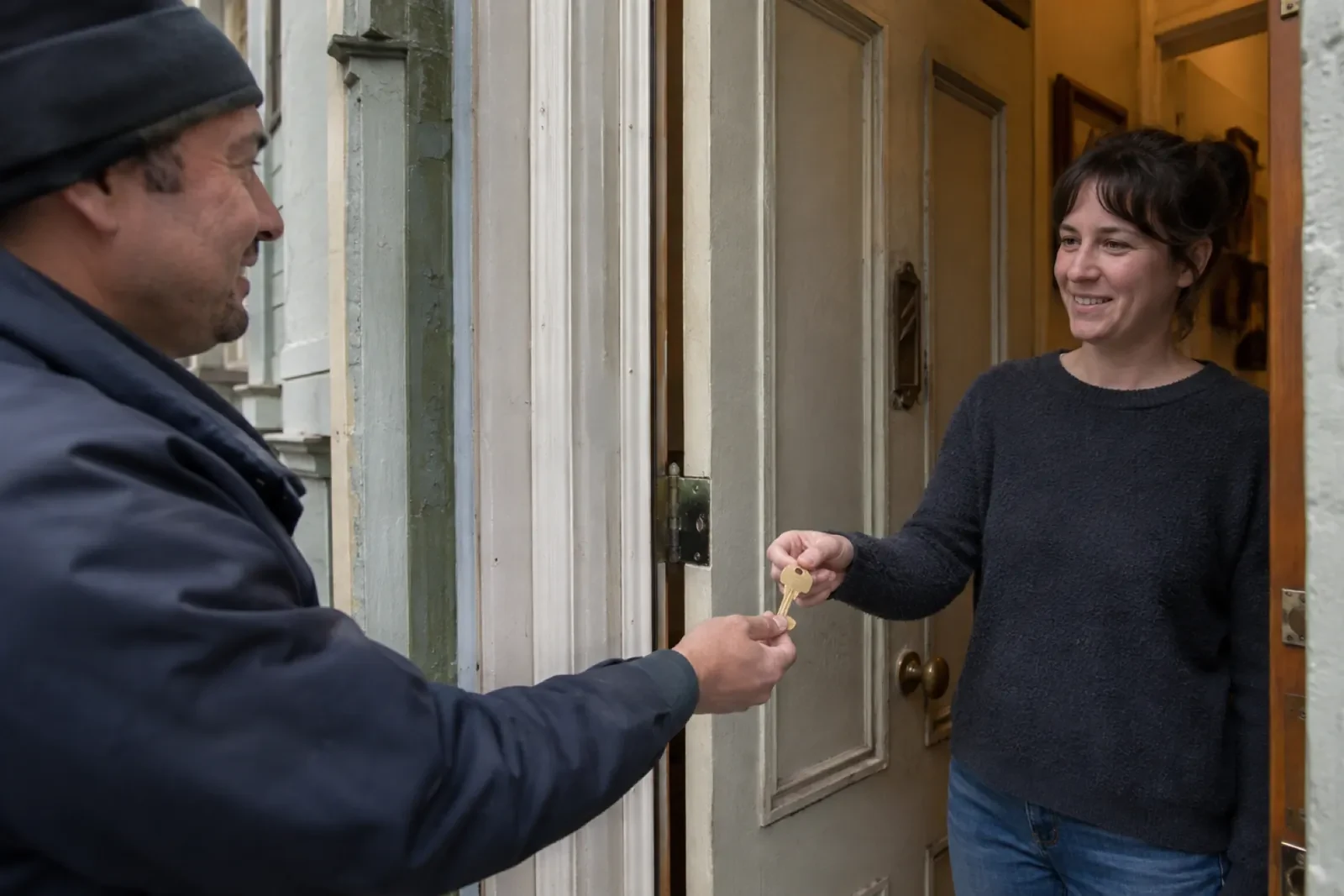
Making a lost or unreturned key useless is separate work, priced per cylinder or per core, and the count of doors sharing that key decides how much of it there is.
Master key system changes
Where the door belongs to a building-wide master key system, changing it means planning with the property manager and pinning cylinders so both your key and the building key still work, which is more careful work than a single rekey.
When the call comes in
A weekday morning, an evening after closing, a weekend or a statutory holiday all cost the same amount for a business lockout, and locksmiths are reachable at any hour. The figure is confirmed at the door once the locksmith has looked at the door and the hardware involved.
What to have ready
- Is there an alarm on the door, and who holds the code and the monitoring password?
- Has a key gone missing or left with a former employee, so that rekeying should follow?
- Does the building have a property manager or a master key system for the unit?
Business Lockout Service: questions
QuestionsWe have just taken over a unit and have no keys for the old locks. Is that a lockout?
It is treated as one, with the same authority check: your new lease and identification settle it. The locksmith opens the previous occupant's locks, then rekeys or replaces them so keys still floating around from the last tenant stop working. It is also the moment to decide how the unit will be keyed: one key for every door, separate keys for the cash office and stockroom, or cores that suit a growing staff.
Last night the door would not lock either. Is that the same problem?
Sometimes, though a deadlatch that will not catch at closing and a bolt that refuses to withdraw at opening are different mechanisms, not automatically the same fault. A door dropped on its pivots or a cam slipped behind the cylinder can affect either one; a closer stopping short of the strike explains a latch that will not catch but not a bolt that will not retract. The locksmith checks each symptom on its own during the visit and tests the door closing under its own weight before leaving.
An employee left and never returned their keys. Should we rekey?
It is the sensible step, and a lockout visit is a convenient moment for it. Rekeying keeps your existing cylinders and changes the pins so a new key operates them and the unreturned one does nothing. If your doors use interchangeable cores, swapping the core takes minutes. Bring every door that shared the old key onto the new one, count the fresh keys into named hands and start a register so the next departure is a line in a book rather than a call.
Related services
- Broken Key ExtractionOvernight the deadbolt froze, and this morning the key would only turn partway.
- Break-In Damage Lock RepairThere is a hole where the cylinder used to be.
- Seized & Jammed Lock OpeningThe key slides all the way in, exactly as it has for years, and then refuses to turn in either direction.