Locksmith in Humber Summit, OntarioBroken key?Leave the pieces to us.
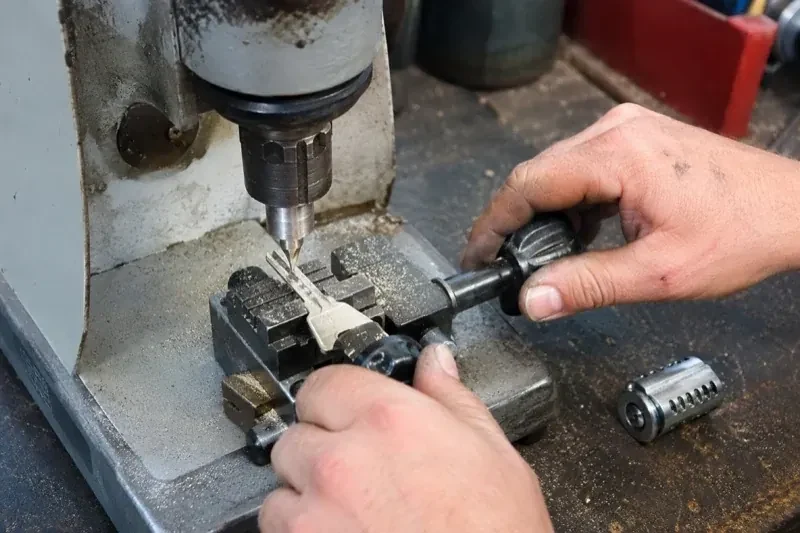
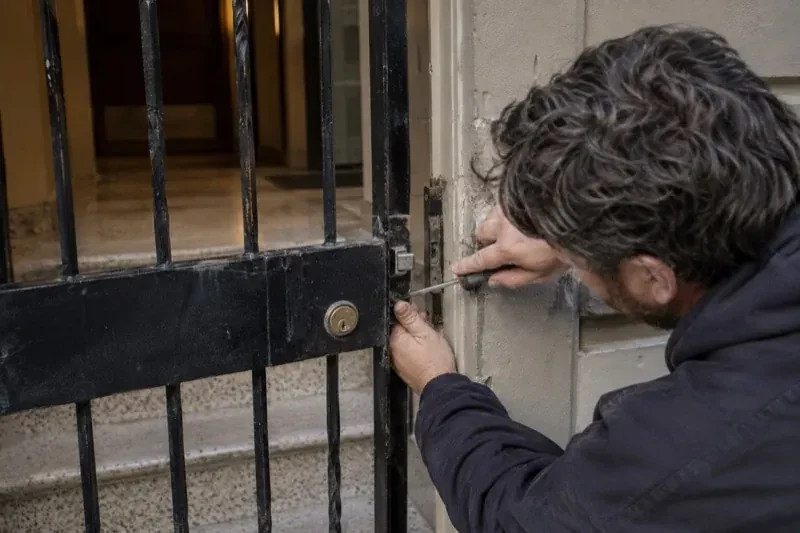
Cold mornings in Humber Summit are hard on tired brass, and a key that has been bending for years finally lets go inside the lock. We remove the snapped piece without harming the cylinder, look at why it failed, and cut a fresh key from the code or the remaining half before we leave. Calls from Claireville and Emery are covered too.
Cold mornings in Humber Summit are hard on tired brass, and a key that has been bending for years finally lets go inside the lock. We remove the snapped piece without harming the cylinder, look at why it failed, and cut a fresh key from the code or the remaining half before we leave. Calls from Claireville and Emery are covered too.
Local locksmiths who explain their work.
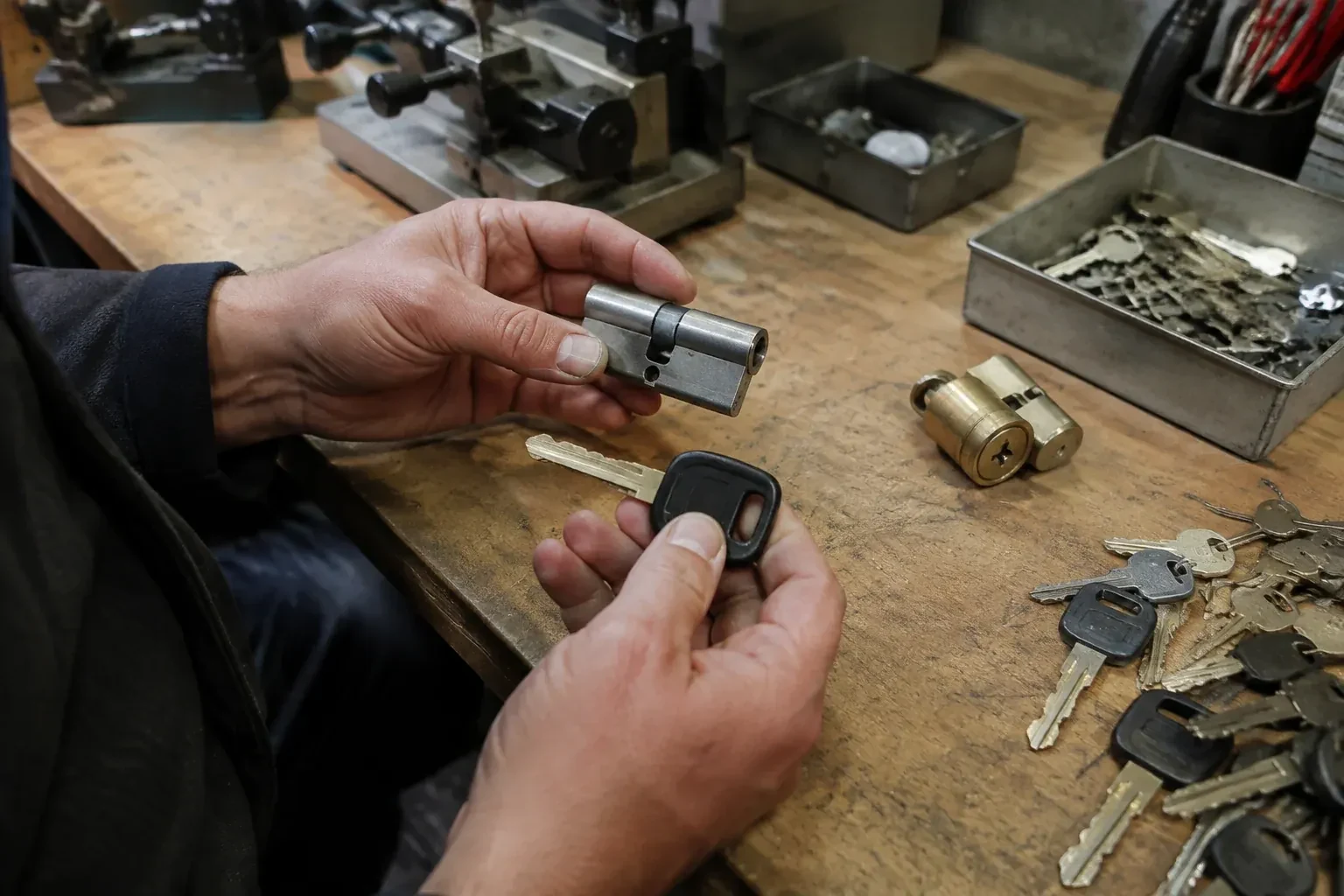
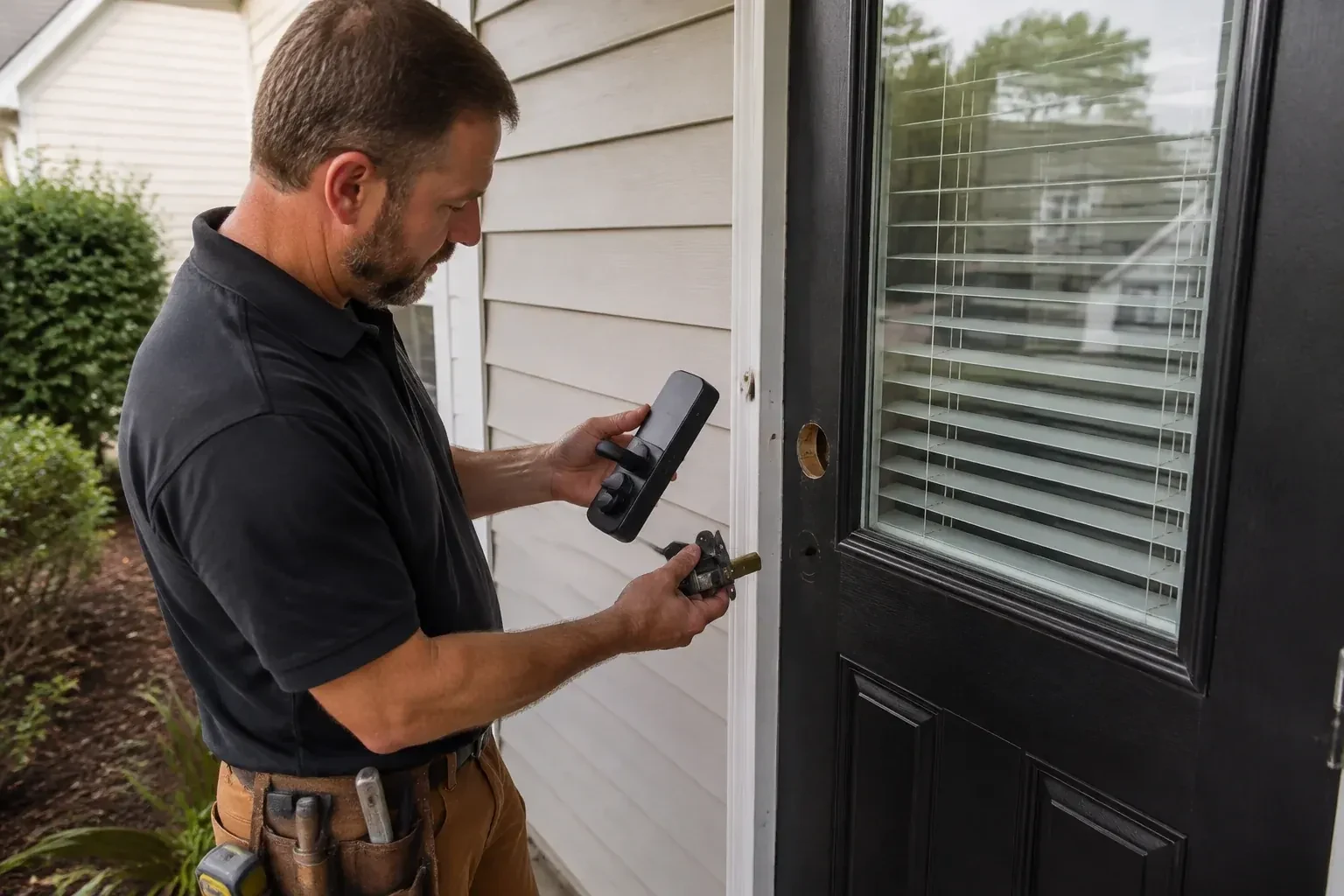
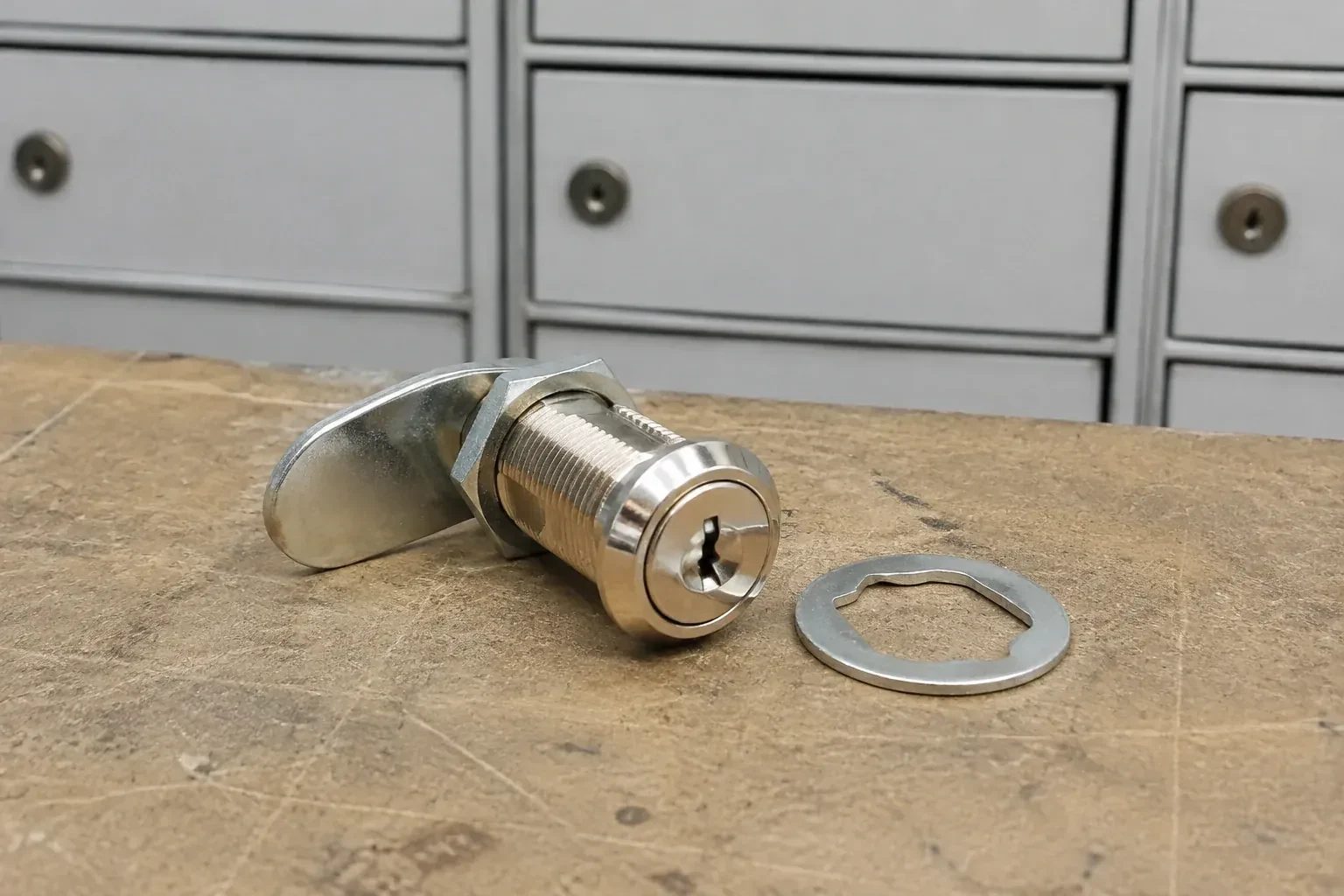
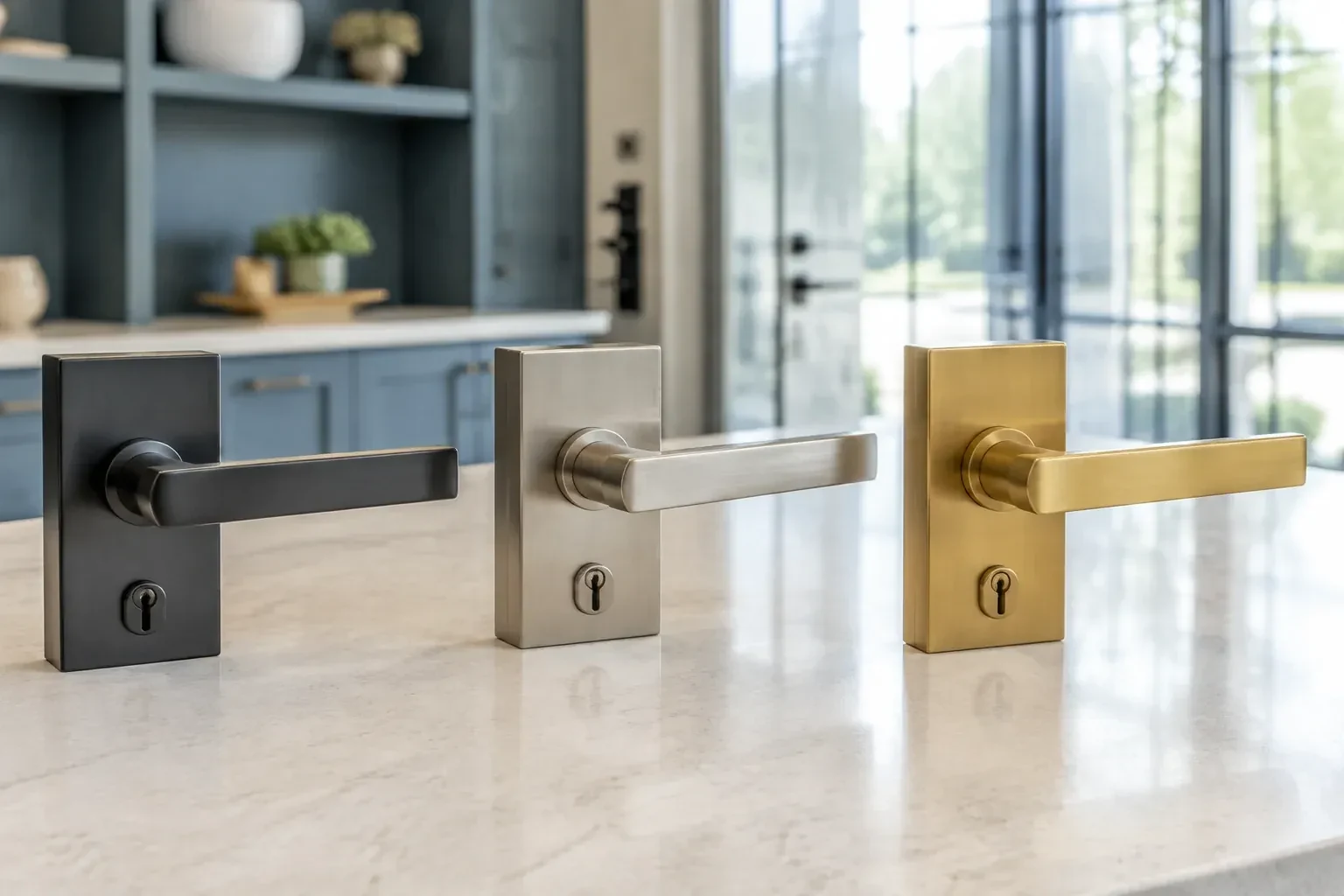
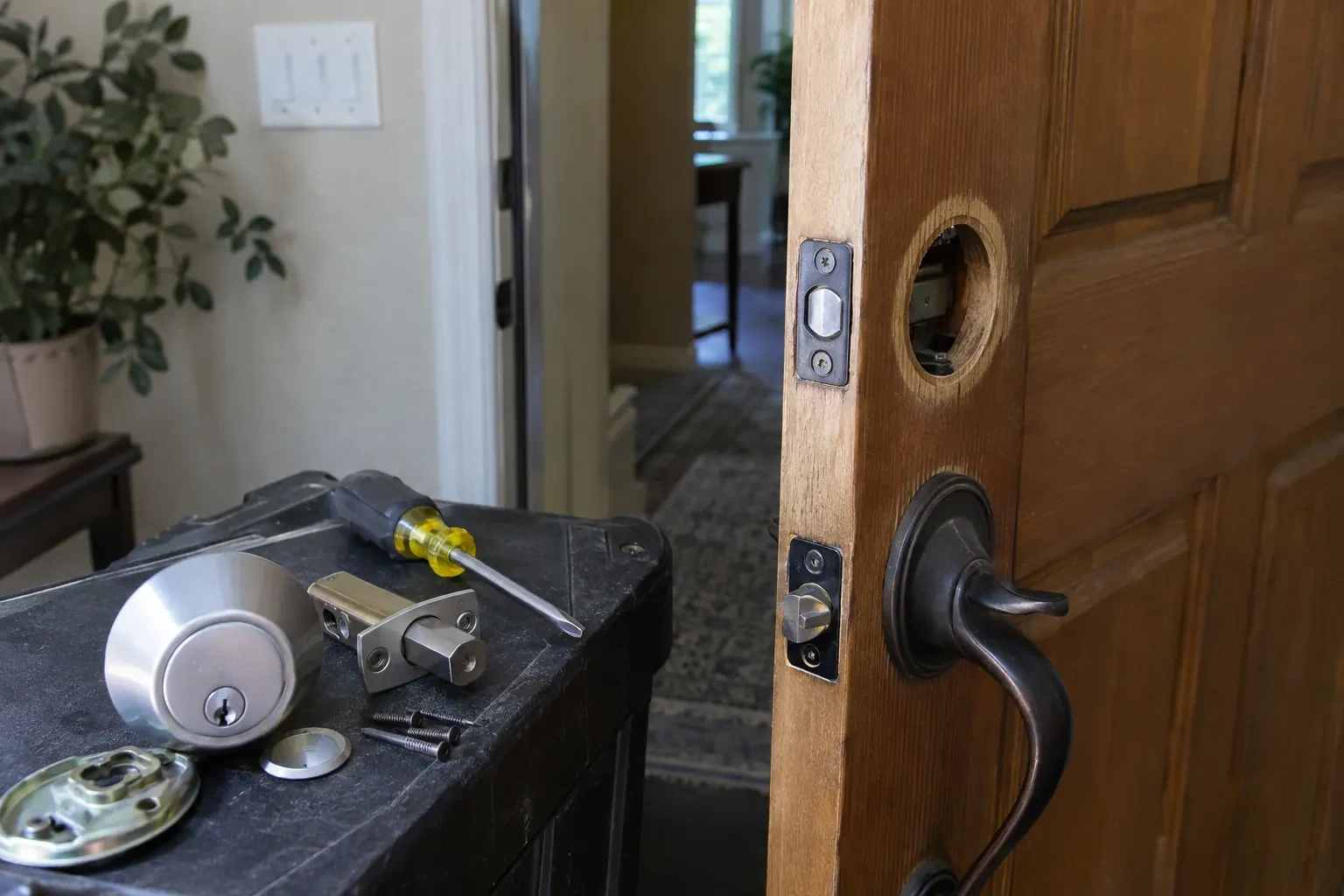
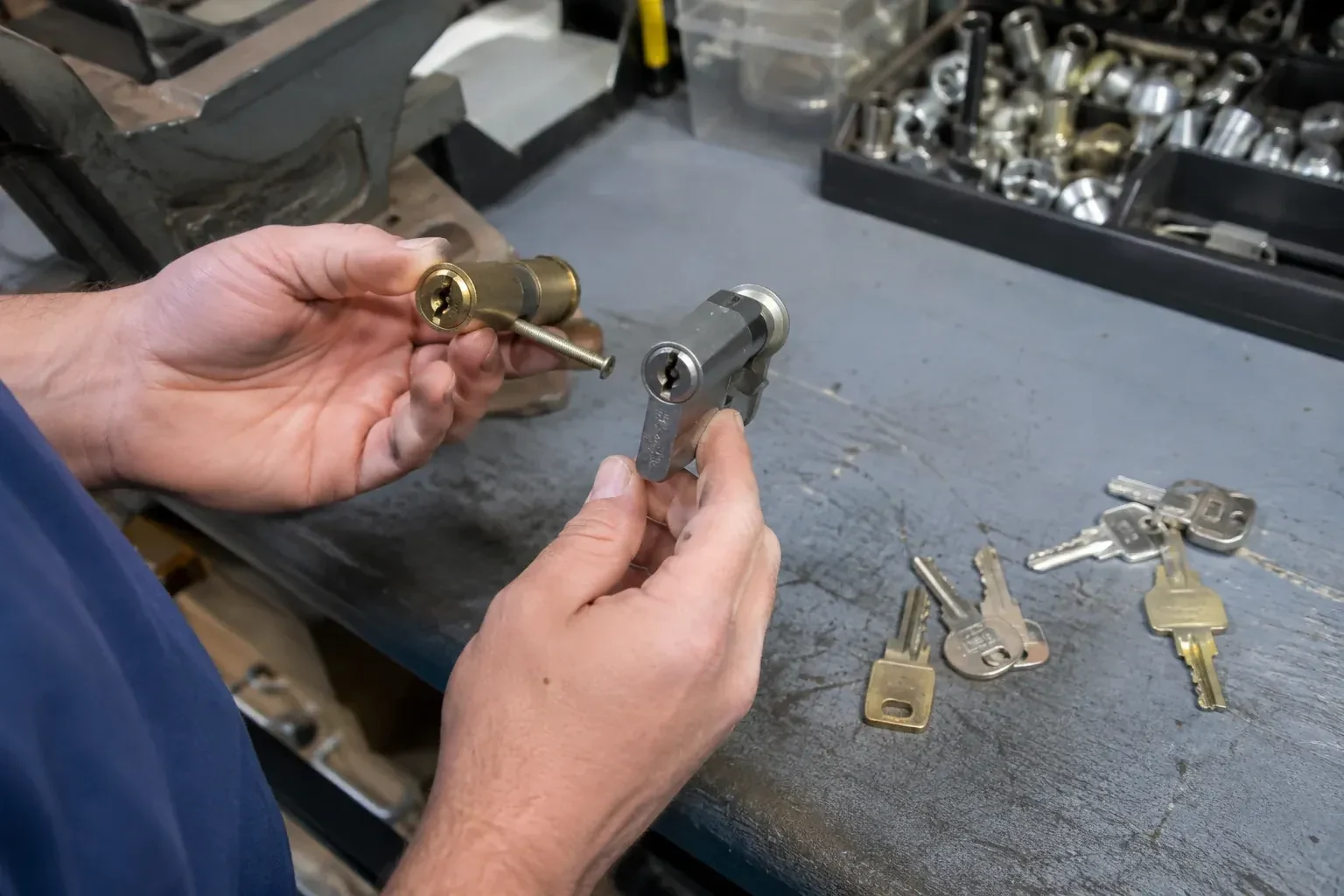
The van that comes to Humber Summit carries what the job is likely to need: cylinders in the common finishes, pinning kits, strike plates in several depths, blanks for house and vehicle keys, and the small screws that always seem to be missing. Being stocked means the work is finished in one visit and you can compare real parts at the door rather than photos on a screen.
We serve Humber Summit from a van stocked for three kinds of door: the front door of a home, the back door of a business and the driver's door of a vehicle. Different tools, one approach. We confirm you are entitled to access, explain the plan, do the work cleanly and test every key and lock before we consider the visit finished.
12years in business
24/7open every day
Explained before any tool comes out. You will hear what we found, what we suggest and why, before anything is changed. If you want a minute to think, take it.
Choices, not a single answer. Most problems have more than one fix. We lay out the practical options and the trade-offs, then let you choose the one that fits your home and budget.
A tidy doorstep. Shavings swept, packaging taken away, the old hardware offered to you or disposed of. The only sign we were there is a lock that works.
Doors in Humber Summit are opened, rekeyed, repaired, reinforced and replaced by the same small team, so you can pick one service today and add another later without explaining the house all over again. Start with the page that matches your door; the rest of the list will still be here.
About 58% of homes in Toronto were built in 1980 or earlier, according to the 2021 Census.
Older homes
Older homes tend to have had many hands on their doors: owners, tenants, tradespeople, family. A locksmith visiting such a house pays attention to who holds keys now, and rekeying or a keyed-alike set often matters more than any new hardware.
Single-detached houses make up about 23% of homes in Toronto (2021 Census).
Shared entrances mean fobs, intercoms and buzzers alongside conventional locks. A locksmith can service the mechanical side of those doors and advise on how the fob system and the cylinder work together when management asks.
Businesses with pharmacies, records, cash or controlled stock need doors that hold under attack and keys that cannot be duplicated on a whim. The high security page covers cylinders, strikes, key systems and safes for those rooms, and how they fit alongside an alarm.
Business lockouts differ from home ones. Stock is waiting, staff are due, and the person at the door may not be the owner. We confirm who may authorise entry, open the door and, where a key has gone missing, rekey while we are there.
A software update reset the clinic's small safe overnight, and the receptionist's usual code now does nothing on a keypad that lights up but goes no further.
The accountant's office keeps a decade of client files in cardboard boxes because the only safe in the building is a small drawer safe meant for a laptop, nowhere near large enough for binders of paper.
Which fix fits?
It is ten to nine, three staff are on the sidewalk with their coffees, and the key that has opened the glass front door for six years will not turn.
WhyUpgrading to high security rarely means new doors or a big disruption.
The key to the office entrance turns with almost no resistance now, and some mornings the deadbolt does not fully retract until someone jiggles the handle and tries the key again.
WhyBusinesses often reach this service after something specific happens: a break-in, a departing employee holding a working key, a lease turnover, or an inspector's note about the rear exit.
The fob went through the washing machine in a jacket pocket.
WhyIt helps to think of a car key as several parts sharing one case.
A lockout last month ended with a locksmith opening the door and going home, and the same single key has been carried ever since with nothing behind it.
WhyMaking a spare before the original goes missing is simpler than making one after, because the whole process is built from a working key to read or trace from.
Buttons on the fob still light up and the remote still clicks, but the vehicle refuses to start even with the fob sitting in the cupholder.
WhyA used vehicle bought with one fob, or none, leaves a household relying on a single point of failure or locked out entirely.
The bike came home from its previous owner with a single worn key that starts the engine but does nothing for the seat latch or the fuel cap, both of which answer to keys nobody handed over.
WhyWhat is actually possible depends on whether a working key still exists somewhere.
Good days. Start with a turn.
1/9Business Lockout Service
It is ten to nine, three staff are on the sidewalk with their coffees, and the key that has opened the glass front door for six years will not turn. The cylinder feels gritty, the door is locked, and the first customer is already parking.
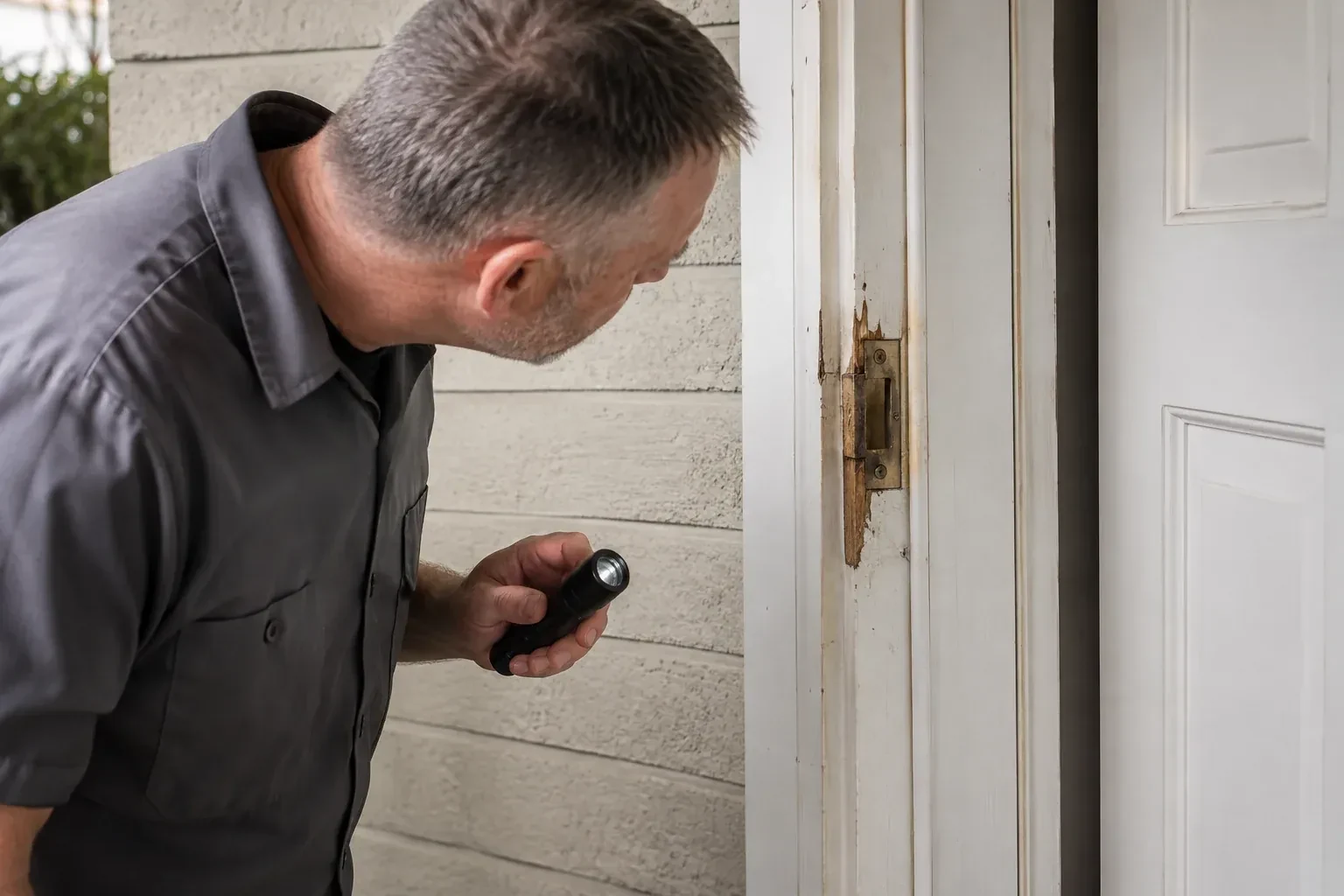
The lock works, but only if you lean on the door with your hip while turning the key. After a week of humid weather the bolt is jammed against the strike plate, and without that push the key stops halfway.
The old skeleton key still fits the keyhole, but it now needs a jiggle, a lean on the door and a little luck before the bolt moves. Last week it took three tries. You have one key and no idea where a second could come from.
Your shop has had four employees leave in two years and each one had a key. Rekeying every time is getting old, and the hardware store will cut a copy for anyone who walks in with the original.
The key to the office entrance turns with almost no resistance now, and some mornings the deadbolt does not fully retract until someone jiggles the handle and tries the key again.
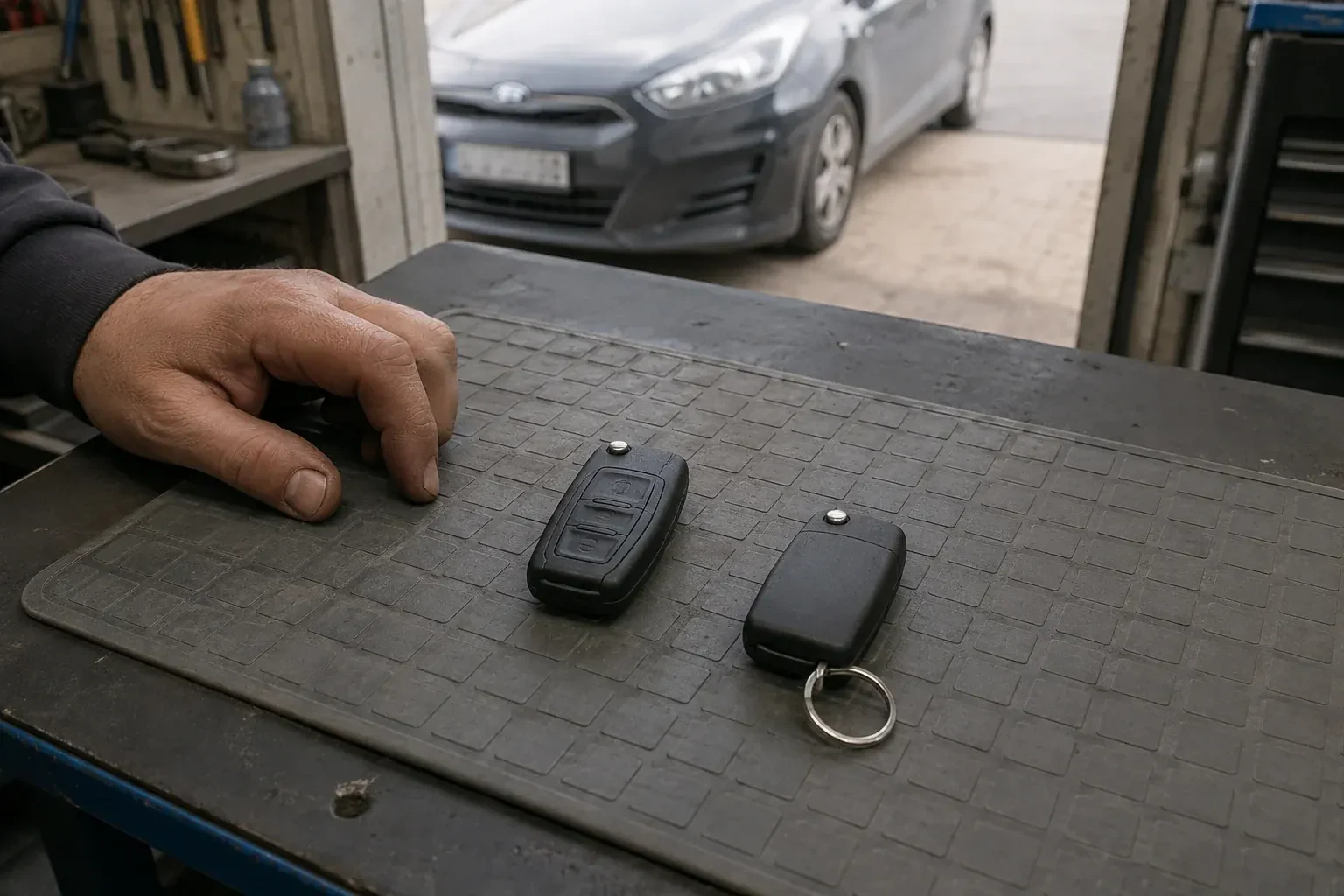
The fob went through the washing machine in a jacket pocket. It came out clean and completely silent. Nothing unlocks, the push-button start ignores it, and the little metal blade hidden inside only opens the driver's door.
A lockout last month ended with a locksmith opening the door and going home, and the same single key has been carried ever since with nothing behind it. The relief of getting back in faded within a week into the same exposure.
Buttons on the fob still light up and the remote still clicks, but the vehicle refuses to start even with the fob sitting in the cupholder. The mechanical blade turns the door without trouble; something further inside the dashboard has stopped recognizing the fob's signal.
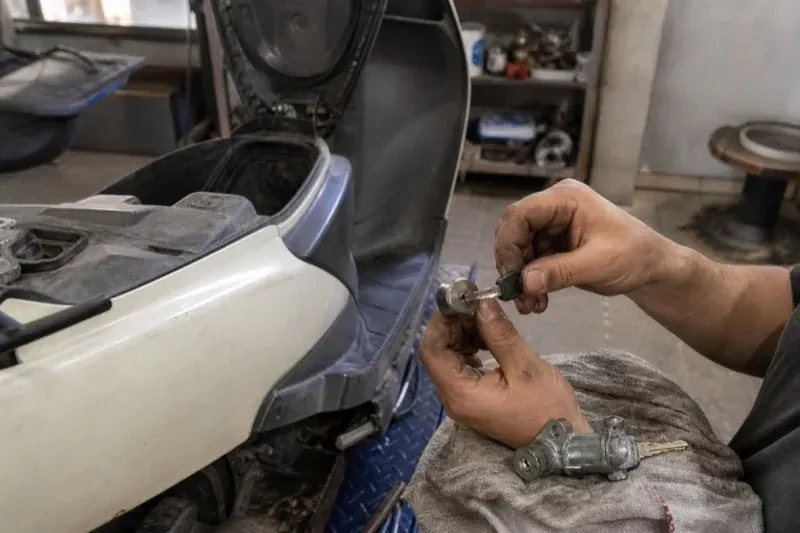
The bike came home from its previous owner with a single worn key that starts the engine but does nothing for the seat latch or the fuel cap, both of which answer to keys nobody handed over.
Last night the door would not lock either. Is that the same problem?
Sometimes, though a deadlatch that will not catch at closing and a bolt that refuses to withdraw at opening are different mechanisms, not automatically the same fault. A door dropped on its pivots or a cam slipped behind the cylinder can affect either one; a closer stopping short of the strike explains a latch that will not catch but not a bolt that will not retract. The locksmith checks each symptom on its own during the visit and tests the door closing under its own weight before leaving.
What is a tailpiece, and why does it matter here?
The tailpiece is the flat bar that sticks out of the back of a deadbolt cylinder and turns the bolt mechanism when the key turns; on a knob or lever set the equivalent part is a cam or spindle. It carries all the twisting effort, so a bent, worn or broken one is the reason a key can turn without anything happening. It is a small part to replace, it comes in several lengths, and the right length matters.
Can the lock be made more secure while keeping it original?
Yes, within reason. A later mortise case can take a modern high-security cylinder of the right thread and cam, chosen for its pick resistance; stopping casual key copying is a separate question, answered by fitting a restricted or patented key system alongside it. Longer screws into the strike and a properly seated deadbolt add more than most people expect. For a bit-key lock, the practical gains are a full-throw deadbolt and a good strike; if more is wanted, a separate modern deadbolt above it leaves the original lock untouched.
Should I upgrade the front door only, or every door?
Start with the doors that matter and the ones that are weakest, which are often not the same. Front doors usually carry the sturdiest hardware already; the side door by the driveway, the door from the garage and the basement walkout often carry the lightest locks and get the least attention. The assessment walks the whole perimeter with you so the upgrade goes where entry is most likely, and the remaining doors can join the same key later.
How long does commercial-grade lock hardware typically last under heavy use?
It depends heavily on cycle count and how the door is treated day to day, but hardware graded for commercial duty is built to outlast the internal wear that sinks a residential lock on the same door. A delivery door opened hundreds of times a shift will still wear its hardware faster than a quiet office entrance, so grade and use should be matched from the start rather than assumed.
Does programming a new key affect the keys I already have?
Adding a key leaves the existing keys in place; the car simply learns one more. The exception is a deliberate all-keys-lost reset or an erase you ask for, which clears every stored key and then registers only the ones you present. For that reason the locksmith asks you to bring every key you own to the visit, so each one can be re-registered and tested rather than left behind and forgotten by the car.
Can a spare be made if the vehicle has an aftermarket alarm or remote starter installed?
Generally yes, though it is worth mentioning any aftermarket system when you call, since a factory immobilizer that has been wired into a third-party alarm or remote starter sometimes behaves differently from the standard setup the locksmith expects. Knowing this in advance lets the visit account for it rather than discovering it partway through programming.
How many fobs can be registered to one vehicle?
This depends on the manufacturer, since each vehicle's memory has a set limit built in, commonly enough for several drivers plus a spare. The visit checks how many the specific vehicle allows and how many are already registered, so a household adding another driver knows whether there is room before a new fob is ordered.
What should I do to look after a new key or lock afterward?
Very little beyond two simple habits: wipe the key clean before use, especially after a wet ride, and, where the lock's own maker calls for it, a light dose of the specified lubricant once or twice a year. Storing a spare somewhere other than on the machine itself rounds out the care a new key or lock generally needs.
Request a visit
The van that comes to Humber Summit carries what the job is likely to need: cylinders in the common finishes, pinning kits, strike plates in several depths, blanks for house and vehicle keys, and the small screws that always seem to be missing. Being stocked means the work is finished in one visit and you can compare real parts at the door rather than photos on a screen.