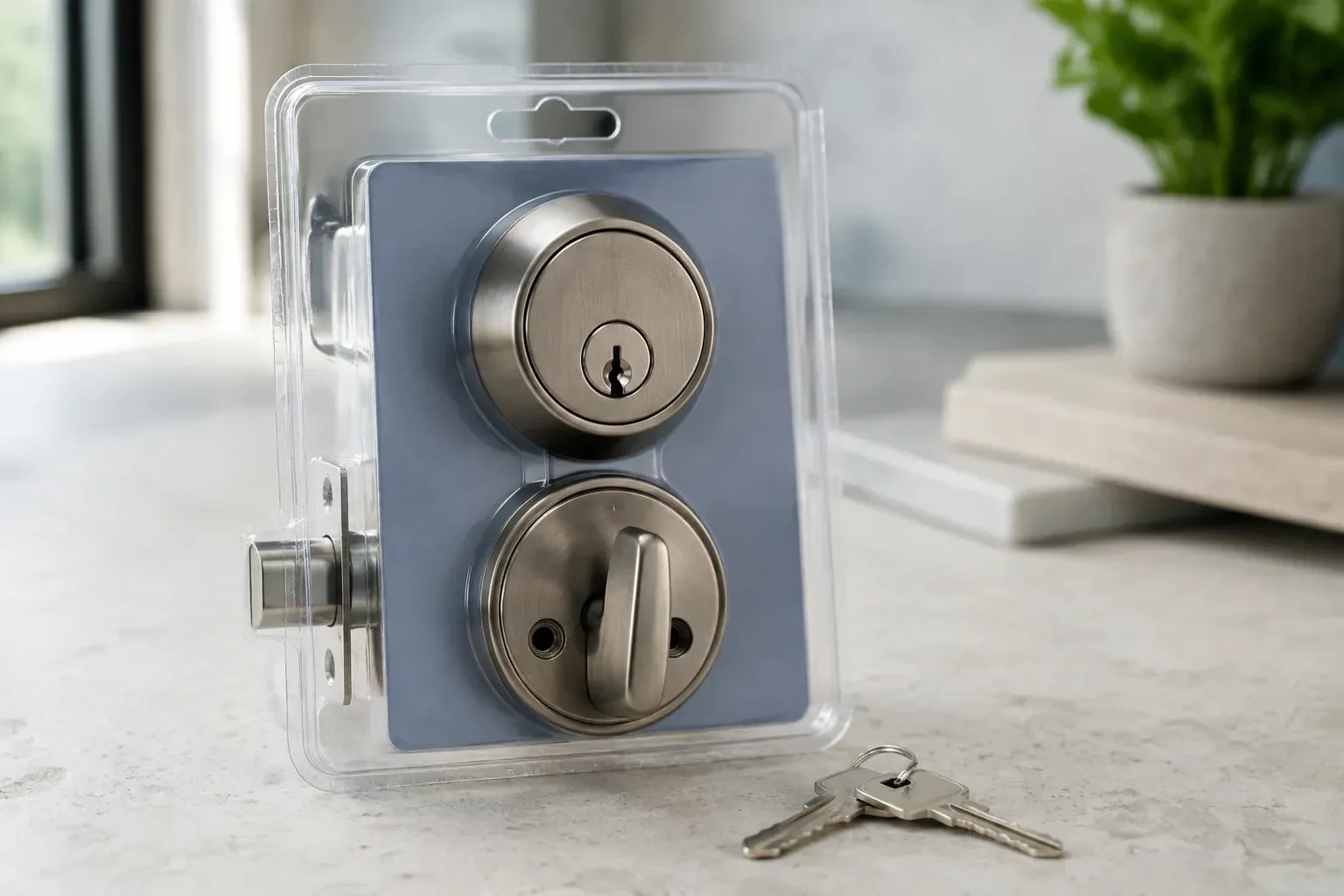
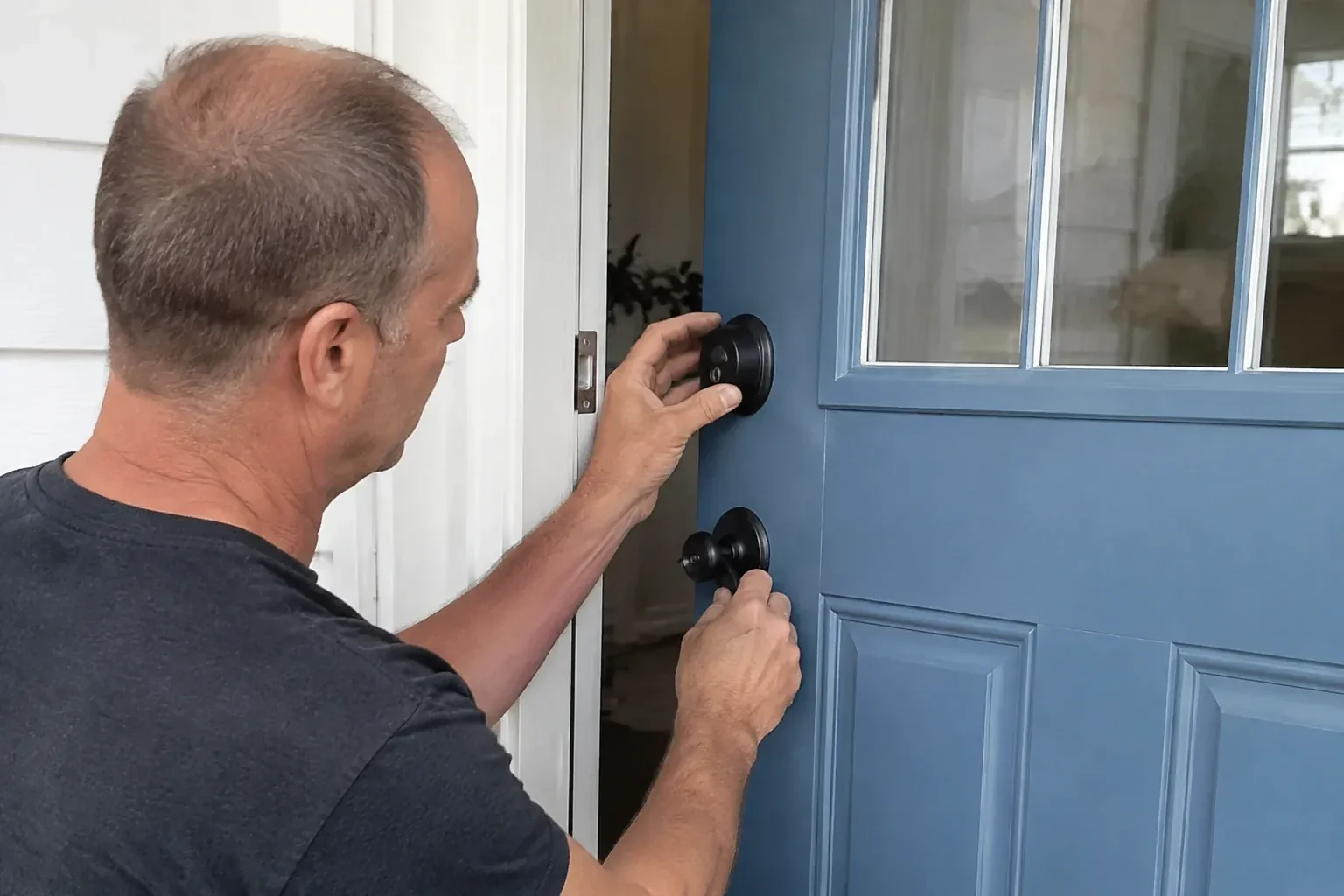
Change or rekey · Toronto
Lock Rekeying
The previous owners left a coffee tin of keys on the counter, some labelled, most not.
In plain words
One key for the whole house is a common request and usually achievable. Cylinders that share the same keyway, the shaped channel the key slides into, can all be pinned to the same new combination, so the front door, back door and garage entry answer to a single key. Where a door carries a lock from a different family with its own keyway, that cylinder is swapped for a matching one rather than repinned, and then it joins the group. The locksmith checks each lock face before the work begins so you know exactly which doors will share the key.
How the visit goesEvery copy of your house key seems to work a little differently. One needs a jiggle, another sticks halfway, and the original wore down years ago. The lock itself is fine; the keys have drifted so far from each other that none fits cleanly.
Inside the lock
What a rekey changes
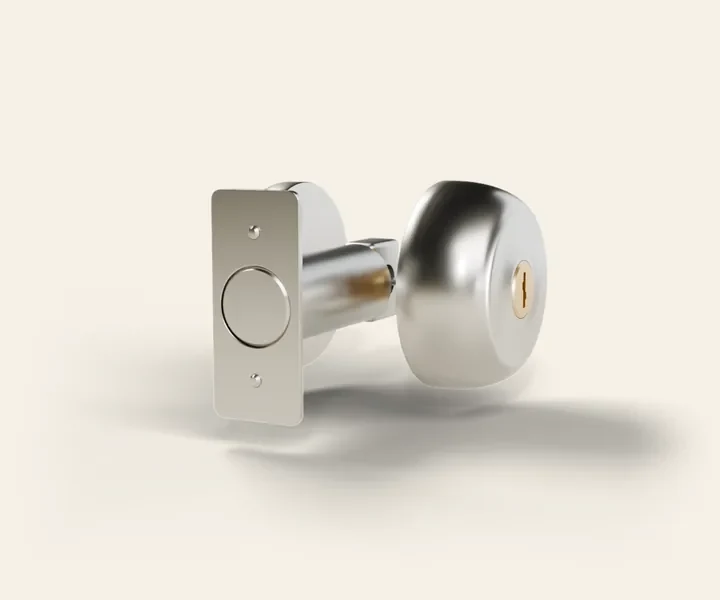
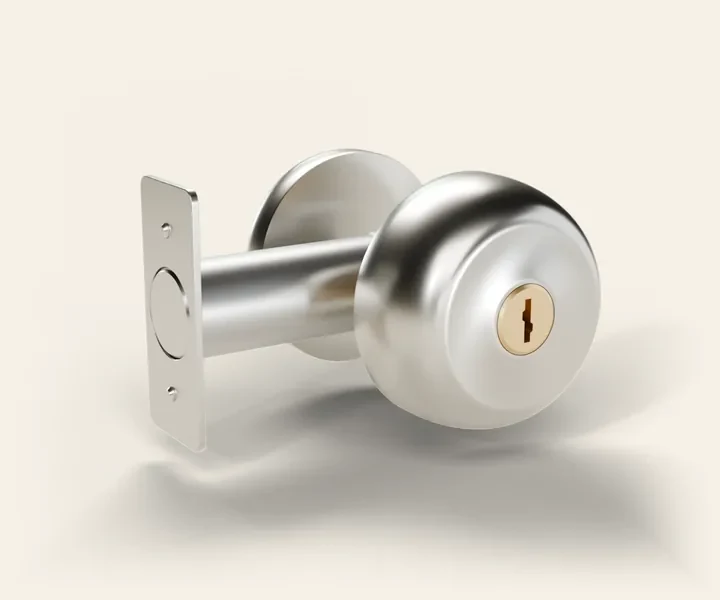
01
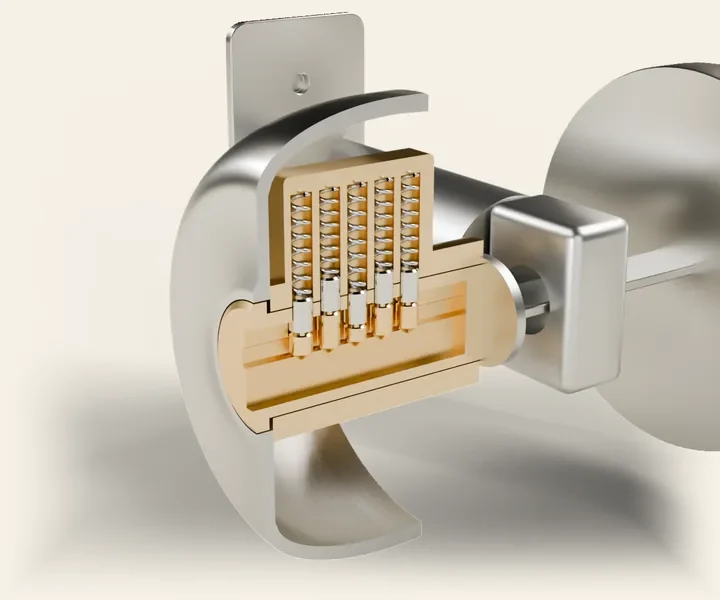
The lock you already have
02
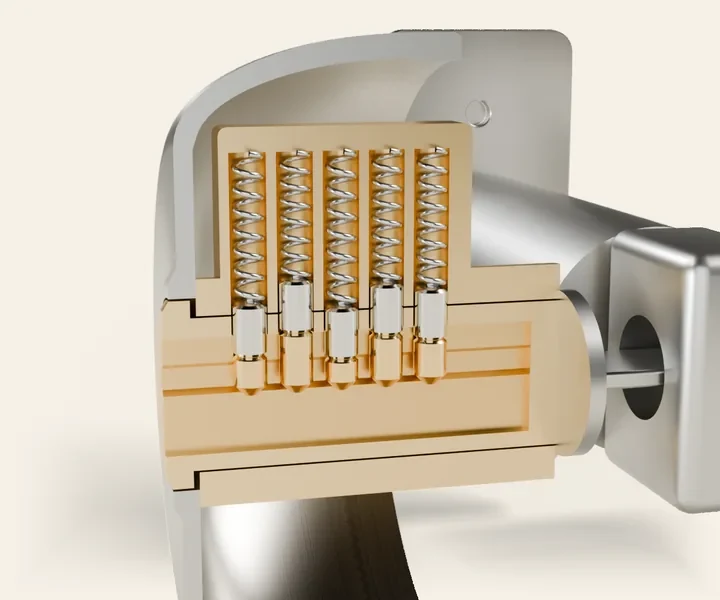
Inside the cylinder
03
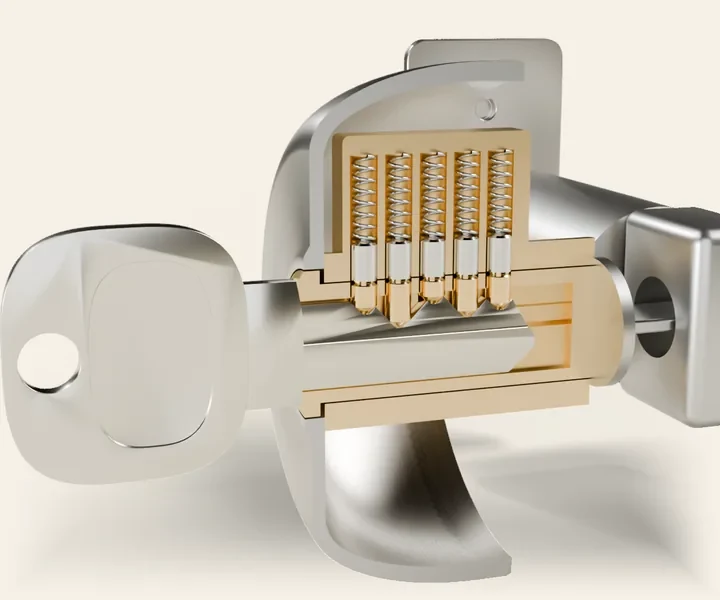
Pins, springs and the shear line
04
A new key, new pins
Lock Rekeying
How the visit goes
The condition of every cylinder
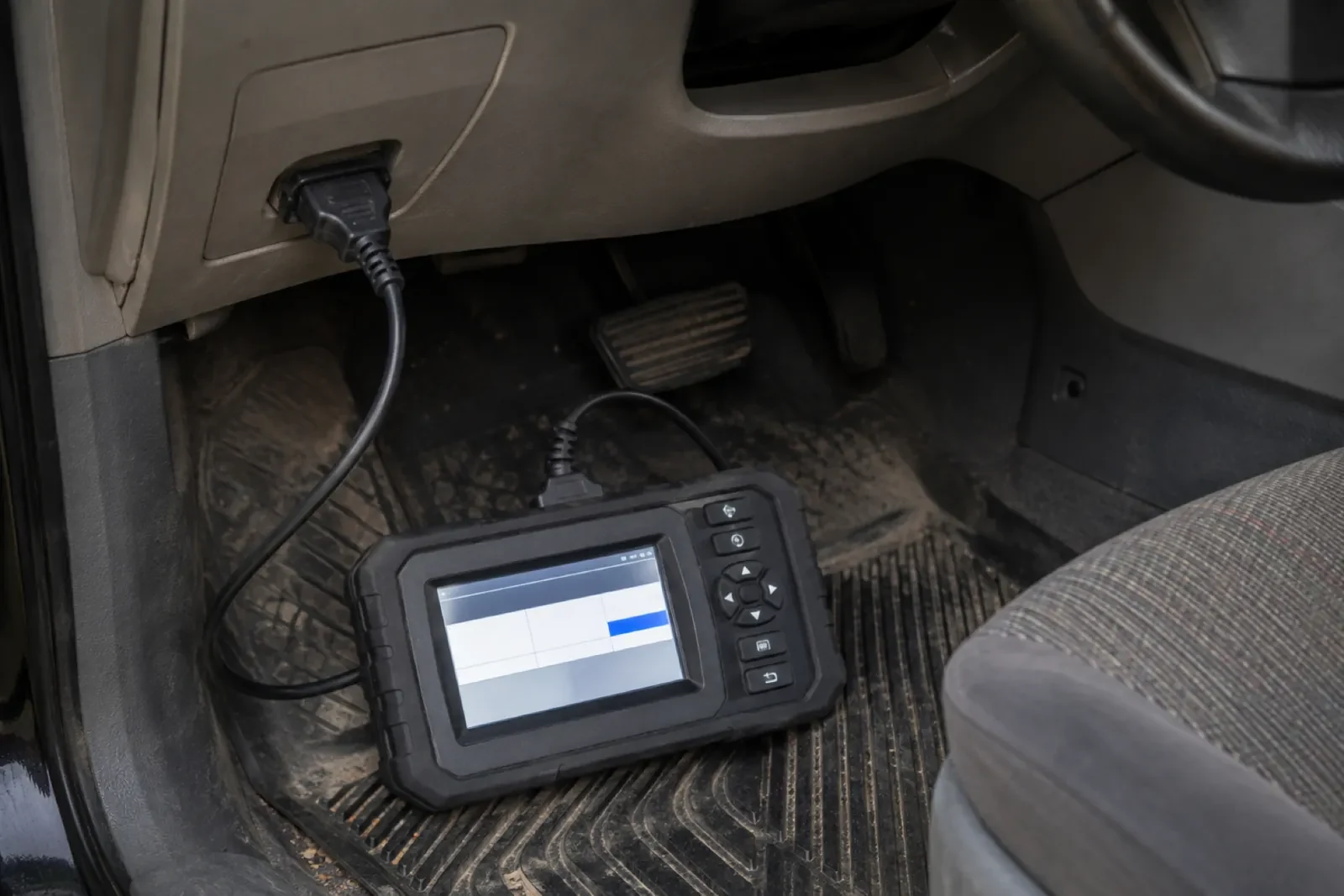
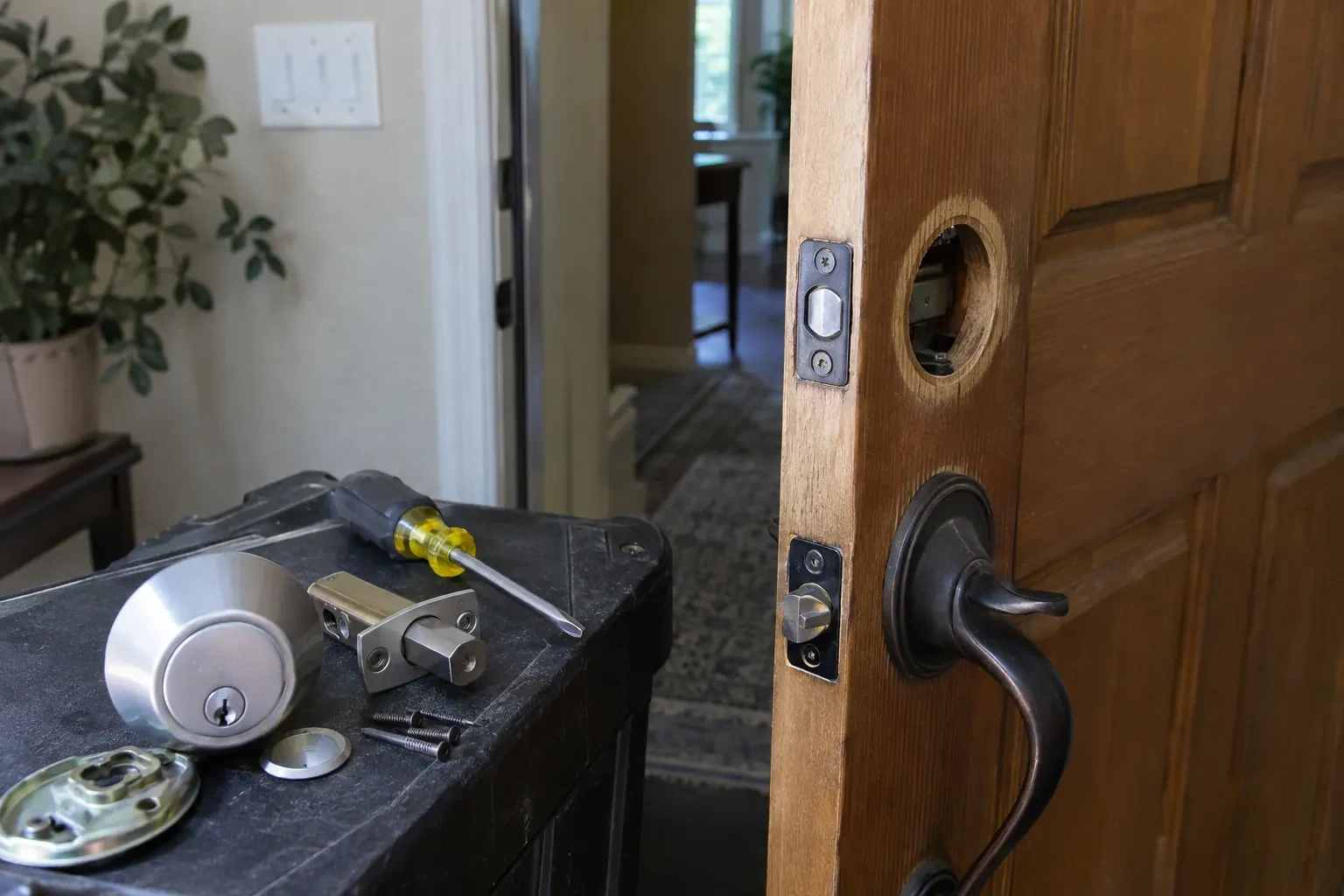
A cylinder about to be pinned to a new key should be worth pinning. The locksmith turns the existing key in each lock and feels for a plug that drags, soft springs, a wobbling cam or a keyway packed with grit and old oil. A cylinder in good order is rekeyed as it is. A worn one is cleaned and given fresh springs while it is apart, and one that has truly worn out is pointed out so you can choose a replacement rather than have new pins dropped into a tired lock. A bolt that binds against its strike gets noticed here too, so the strike can be adjusted while the locksmith is at the door.
When a cylinder is swapped instead of repinned
Sometimes the right move for a particular door is a new cylinder rather than new pins, and the locksmith says so before doing it. A cylinder with a keyway that cannot join the household key is replaced with one that can. A plug that has worn oval, springs that have collapsed, or a cylinder someone has already drilled is replaced because fresh pins would not fix its feel. In each case the replacement is pinned to the same new key as the rest of the house, so the swap is invisible in daily use. The old cylinder is handed to you or taken away as you prefer.
Living with one key for the house
If the visit brought your doors onto a single key, daily life gets a little simpler: one key opens the front door, the back, the garage's side entry and the shed, and the ring in your pocket shrinks to the car key and one for the house. Anyone you give a key to gets the same freedom, which is convenient for family and worth thinking about for anyone who should only reach one door; that is what a separate group is for. Keypads and smart locks keep their codes, and their override cylinder now takes the same key. If you add a door later, its cylinder can be pinned to match.
Lock Rekeying
In the van
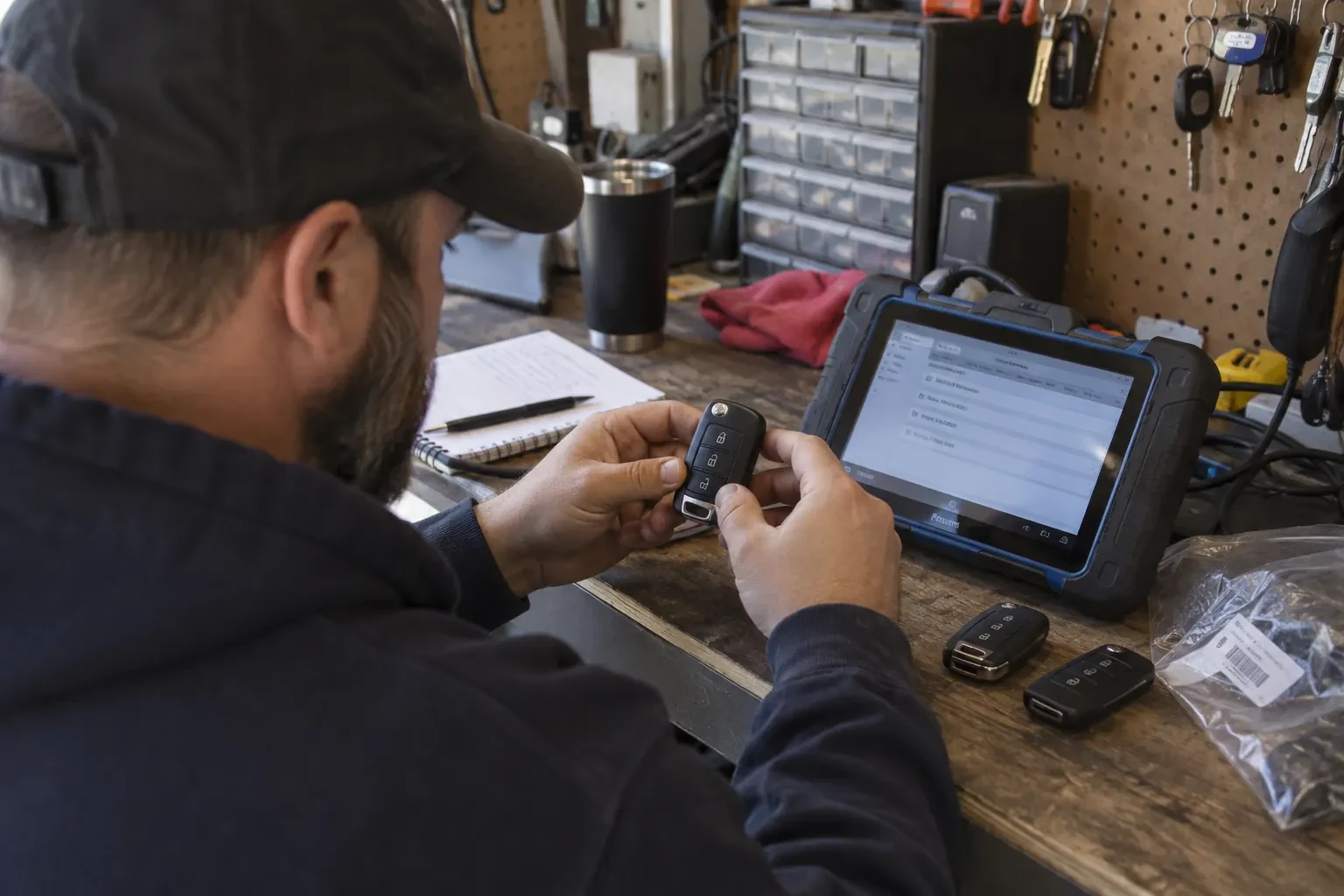
Pinning tweezers and tray
Cylinder shim
Graded bottom pin kit
Plug follower
Key tags and keying record
Lock Rekeying
What affects the quote
No working key for a door
When a cylinder must be shimmed, decoded or picked open before it can be repinned because no key exists for it, that extra step is included in the quote for that door.
Type of lock on each door
A standard deadbolt, a knob or lever set, a mortise lock in an older door, a padlock and a smart lock's override cylinder each come apart differently and take different time on the bench.
Restricted or high-security cylinders
Patented keyways use controlled blanks and pins that cost more than standard ones, and their keys are produced from a controlled record instead of being copied, so a system of that kind is quoted differently from builder-grade hardware.
What to have ready
- Do you own the home, rent it, or manage it for someone else?
- Do you have a working key for every lock, or is there a door with no key at all?
- Is there a shed, gate, mailbox or padlock you would like on the same key?
Lock Rekeying: questions
QuestionsCan all my doors be made to work with one key?
Usually, yes. Where the cylinders accept the same style of key blank, each can be pinned to one new combination, so a single key runs the front, back, side and garage doors. A lock from a different keyway family is brought into the group by exchanging its cylinder for a compatible one in the same finish. During the first walk around the property the locksmith reads every keyway and tells you up front which doors can be keyed alike.
My keys were lost with something showing my address. Is rekeying enough?
Rekeying is exactly the right response, because it makes the lost key useless at every door that was pinned. The locksmith will walk the property with you to be sure nothing is missed, including the garage side door, a shed and any padlock the same key opened, and will suggest changing any garage keypad code that was written on the same ring. After that, whoever finds the keys is holding brass that opens nothing on your property.
How is rekeying different from replacing the lock?
Rekeying keeps your existing deadbolt or handle set and gives it a new key, commonly by changing the pins inside, though some cylinders reset a different way. Replacing removes the whole lock or cylinder and fits new hardware. Rekeying suits locks that are in good condition and simply need a fresh key. Replacement is the better call for hardware that is worn or damaged, built to a low grade, on a keyway the other doors cannot share, or due for a change of style or a keypad.
Related services
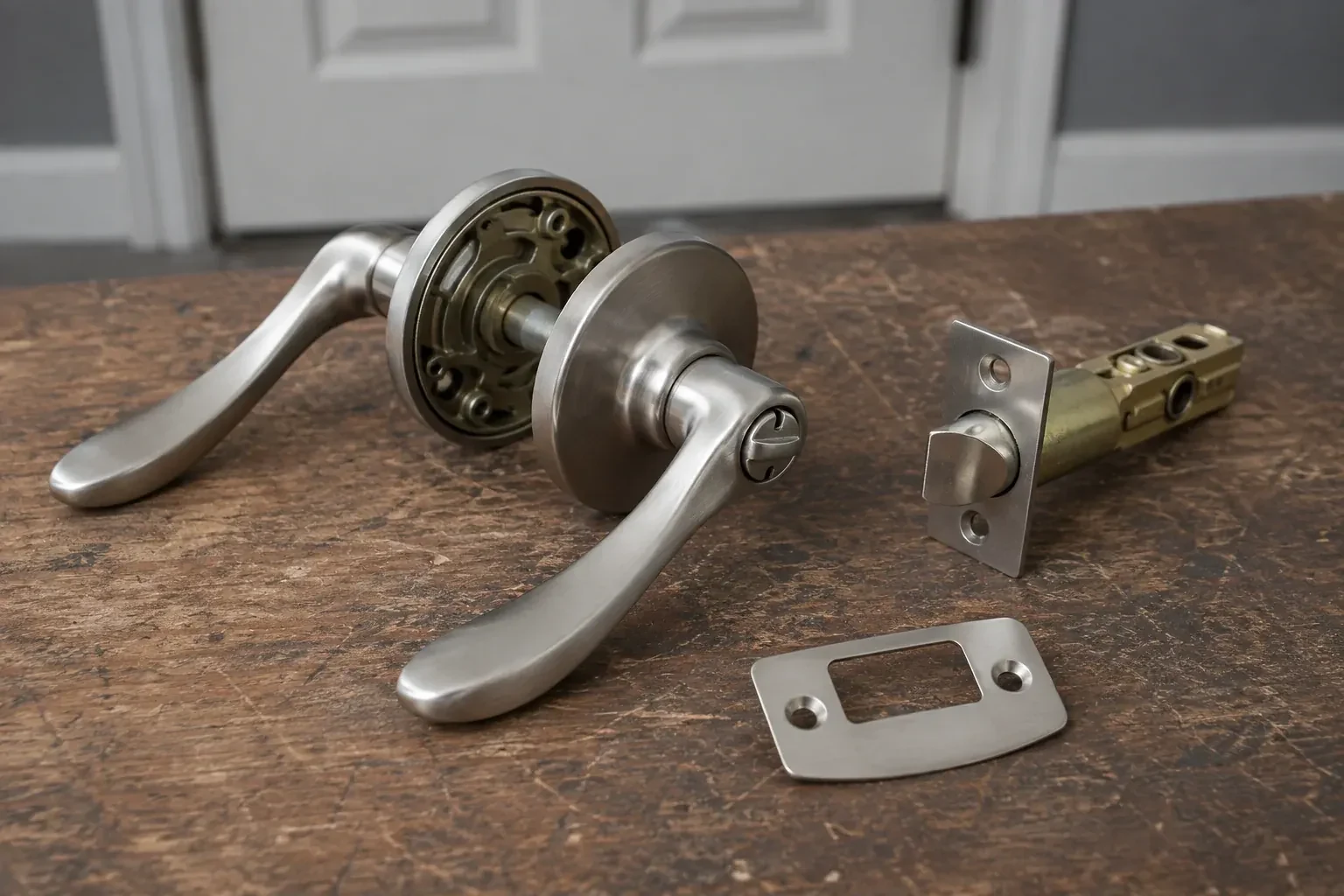
- Lock Replacement & UpgradeThe century home's original mortise lock takes a key the size of a spoon, sticks in humid weather and has worn its strike to a groove.
- Vintage Mortise Lock ServiceSomeone painted the door years ago without removing the hardware.
- Smart Lock InstallationYour mother still lives on her own, and the personal support worker, the pharmacy delivery and two siblings all need to get in on different days.