Car keys · Toronto
Transponder Key Programming in Toronto
A second driver has joined the household, and the one existing key gets handed back and forth between two schedules that rarely line up.
In plain words
Not every transponder chip is built the same way. Early systems used a fixed code that repeated every time, while current vehicles increasingly use encrypted challenge-response chips that answer a different, unpredictable exchange with the immobilizer on every start. Identifying which generation a given vehicle uses tells the locksmith which programming approach and which chip family the new key needs, since a chip from the wrong family will not answer that system at all.
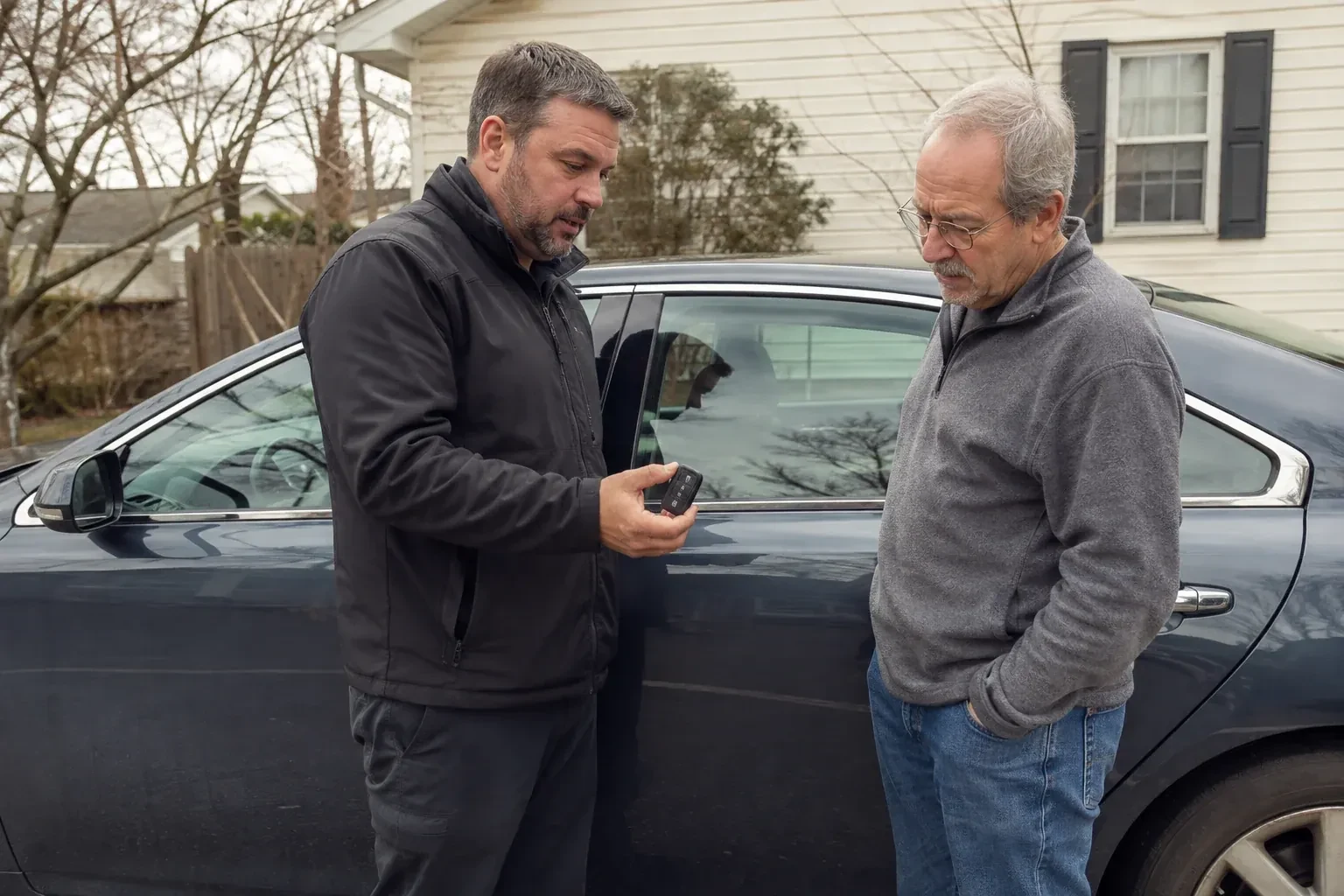
How the visit goesThe blade snapped off flush with the door lock last winter, and the shop that cut a replacement only matched the metal shape. The fob still locks and unlocks the doors from across the driveway, but the engine cranks over and over without ever catching.
Transponder Key Programming
How the visit goes
Looking at the key itself
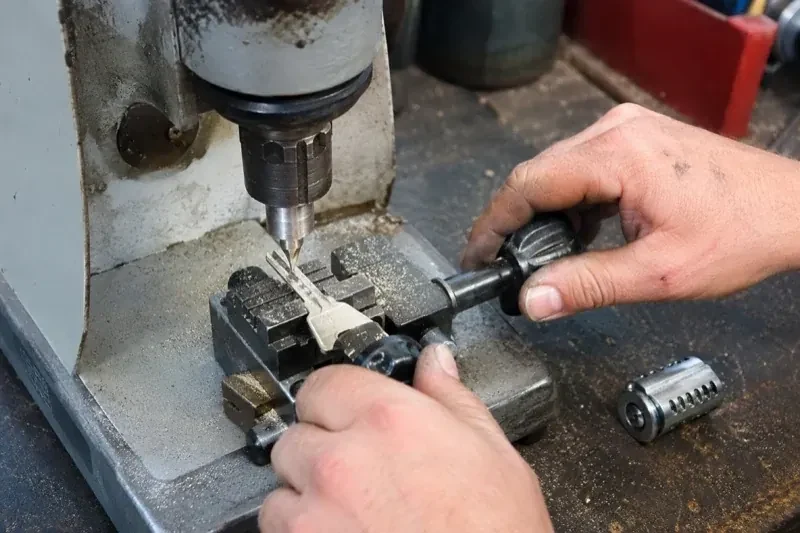
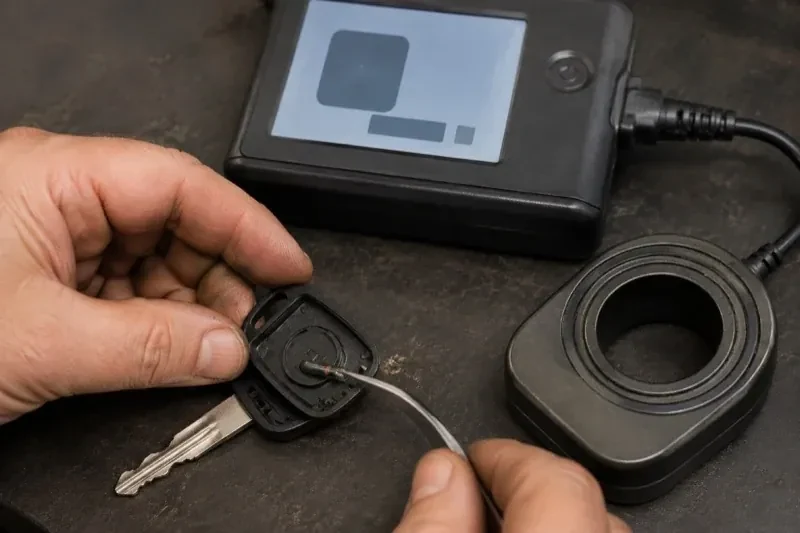
The physical key gets its own inspection. A blade is checked against the lock for wear, a remote-head or proximity fob is opened to check its battery and contacts, and any chip visible in the key head is checked for cracks or separation from the blade. A key that was cut at a counter kiosk but never programmed is common enough to check for specifically: the metal fits the lock perfectly, and the confusion is understandable when the same piece of plastic looks complete either way.
Adding one key without disturbing the others
Bringing another driver onto the same vehicle means adding one identity to the key list while every key that already works keeps working exactly as before. The locksmith confirms the existing keys' status before touching anything, adds the new entry, and then tests every key in the household's hands, not only the newest one. This order matters because a mistake that silently disabled an existing key would be far more disruptive than any delay in getting the new one finished.
A spare that already exists, not one for later
A spare key made before it is needed sits in a drawer doing nothing until the day the only other key is lost, and on that day it is worth more than any amount of good intention would have been. Households that arrange this while it is convenient rarely regret it, and the visit that adds a driver's key or a genuine spare is no more involved than the one that replaces something already missing. The difference is only in when it happens.
Transponder Key Programming
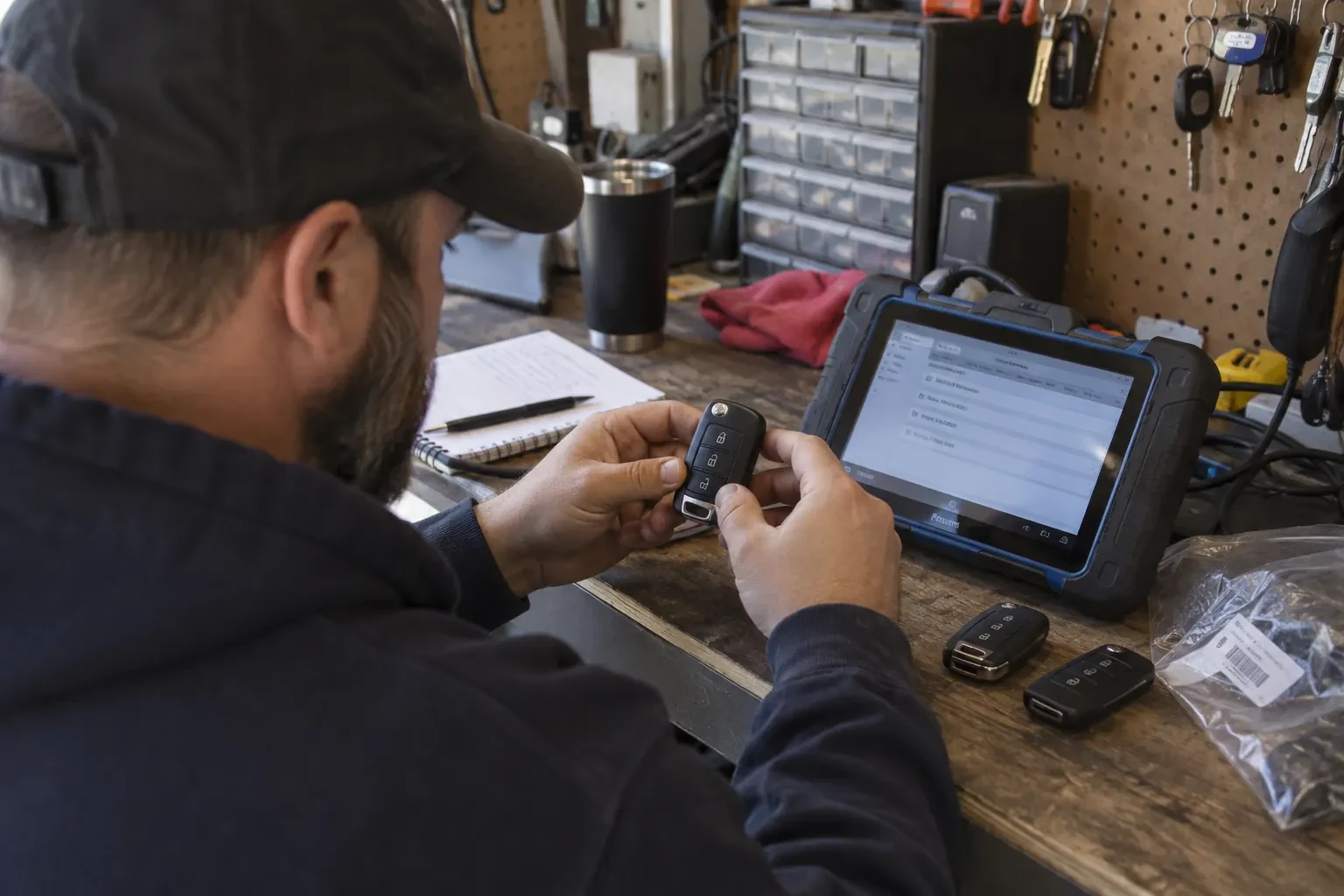
In the van
Frequency test reader
Security-access module
Chipped key blank
Emergency insert blade
Fob battery
Transponder Key Programming
What affects the quote
Time of the appointment
An appointment during regular daytime hours is scoped differently from one outside them, and the locksmith states which applies when the visit is booked so there is no surprise about it on arrival.
Type of key: blade, remote-head or proximity
A basic transponder blade, a remote-head key with buttons, and a push-button proximity key each involve a different amount of pairing beyond the immobilizer chip itself, which affects both the parts involved and the time the visit takes.
How the vehicle's key list is reached
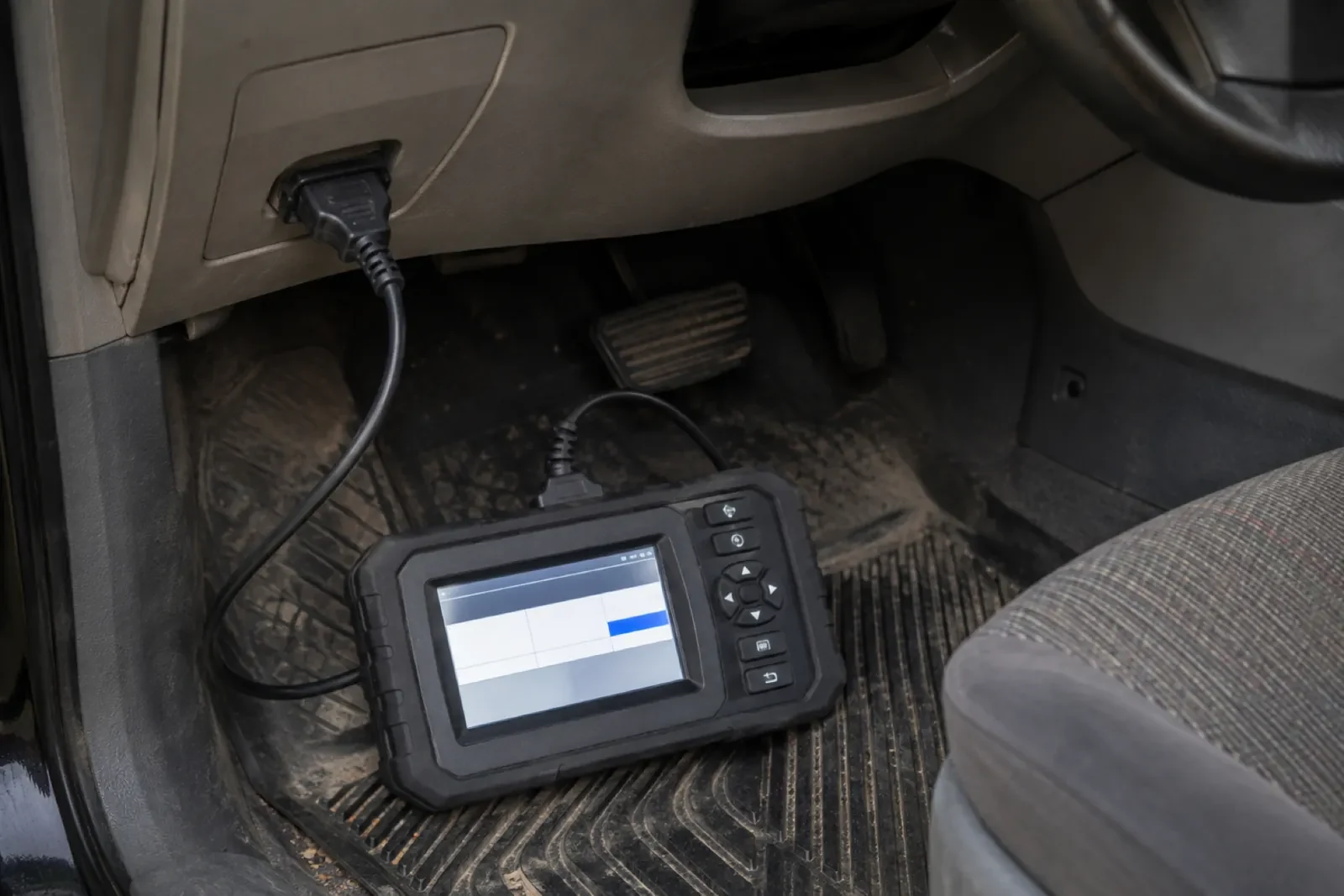
Some vehicles allow direct access through the onboard diagnostic port, while others gate that list behind a manufacturer-level security session that takes additional steps to establish. Which situation applies to a given vehicle affects how the visit is scoped.
What to have ready
- What is the year, make and model of the vehicle?
- Is the dashboard security light flashing or staying lit?
- Do you have the vehicle permit or registration on hand?
Transponder Key Programming: questions
QuestionsDoes the fob need a new battery every time a key is programmed?
Not necessarily, but it is checked every time regardless. A battery that is already weak is often easier to replace during the same visit than to leave for another call later, and a marginal battery can make a freshly programmed fob look like it has a fault when the chip itself is working exactly as intended.
If I only want a spare, what happens to my current key?
Nothing changes about it. A spare is added alongside the existing key without clearing or altering anything already stored in the vehicle's memory. The only keys that get cleared are the ones you specifically identify as lost, stolen, or no longer wanted, and that is confirmed with you before any clearing happens.
What information should I have ready before this visit?
The vehicle's year, make and model, and its VIN if it is easy to find, let the locksmith arrive with the right blank and chip already in hand. Knowing how many keys currently work, whether any were lost or stolen, and whether the vehicle uses a basic blade or a fob shapes the rest of the visit before a single tool comes out.