High security · Toronto
Safe Installation & Servicing in Toronto
The accountant's office keeps a decade of client files in cardboard boxes because the only safe in the building is a small drawer safe meant for a laptop, nowhere near large enough for binders of paper.
In plain words
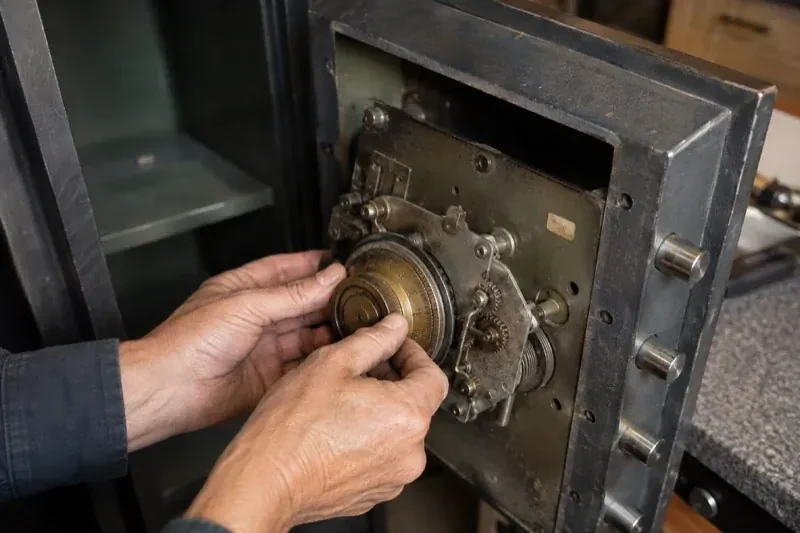
The lock on a safe is either a mechanical dial built around a wheel pack and gates, set and tested by a trained hand, or an electronic keypad running on batteries, and each has its own service needs. A new mechanical lock is set to a combination chosen by the owner and tested through a full open-and-close cycle before installation is called finished. An electronic lock gets fresh batteries, a reprogrammed code, and a check that the low-battery warning actually sounds before it dies. Either way, nobody but the owner leaves with the working combination or code.
How the visit goesThe office is moving three blocks over, and the old commercial safe that has sat bolted to the concrete for fifteen years now needs to come out, travel across town, and go back down just as solidly.
Safe Installation & Servicing
How the visit goes
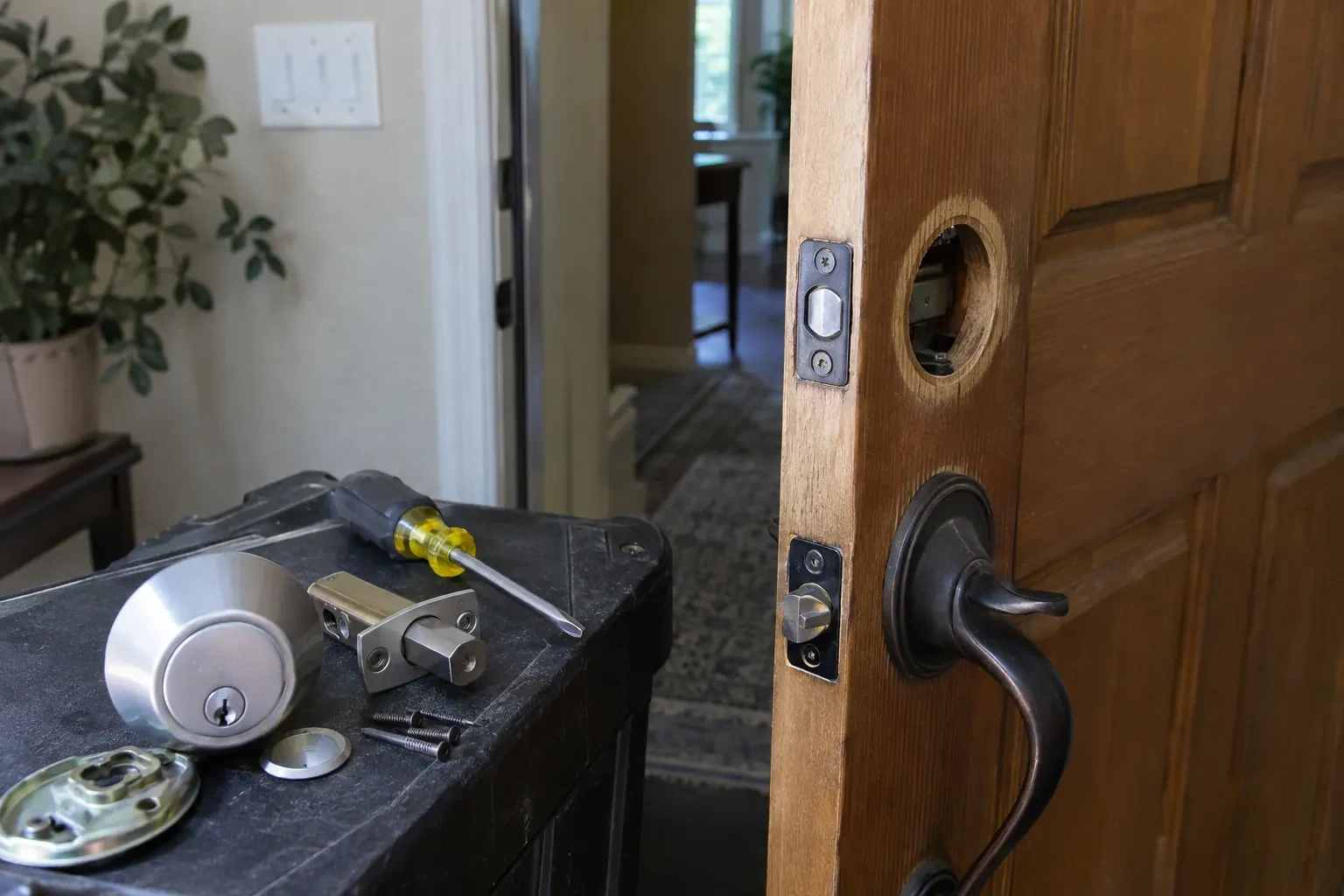
The condition of a safe that is already in place
For a servicing visit, the first look is at what years of sitting quietly have done to the unit. Bolt-work is worked by hand to feel for stiffness, grinding, or a bolt that does not fully retract. Hinges and the door seal are checked for rust or a gap that lets in air. The locksmith also asks how long it has been since anyone changed the batteries or tested the lock, because a unit that has never had attention since it was installed usually needs more than a light check to bring it back to full working order.
Moving a safe without moving the problem with it
Relocating a bolted-down safe starts with removing the existing anchors cleanly, since a broken bolt left in the floor becomes someone else's problem later. The safe is walked or wheeled out on equipment built for its weight, with the route measured in advance so it clears every doorway and turn. At the new address the same assessment happens as for a brand-new installation: the floor or wall is identified, the safe is leveled, and it is anchored again from scratch rather than assumed to sit safely just because it once did elsewhere.
What changes if the household or business grows
A safe sized for today's cash float or paper files can be outgrown well before it wears out, and it is worth thinking about that possibility rather than assuming the same unit fits forever. A second smaller safe for a different purpose, an upgraded rating as a business takes on more overnight cash, or an additional user code as staff changes are all changes that build on the existing installation rather than replacing it outright.
Safe Installation & Servicing
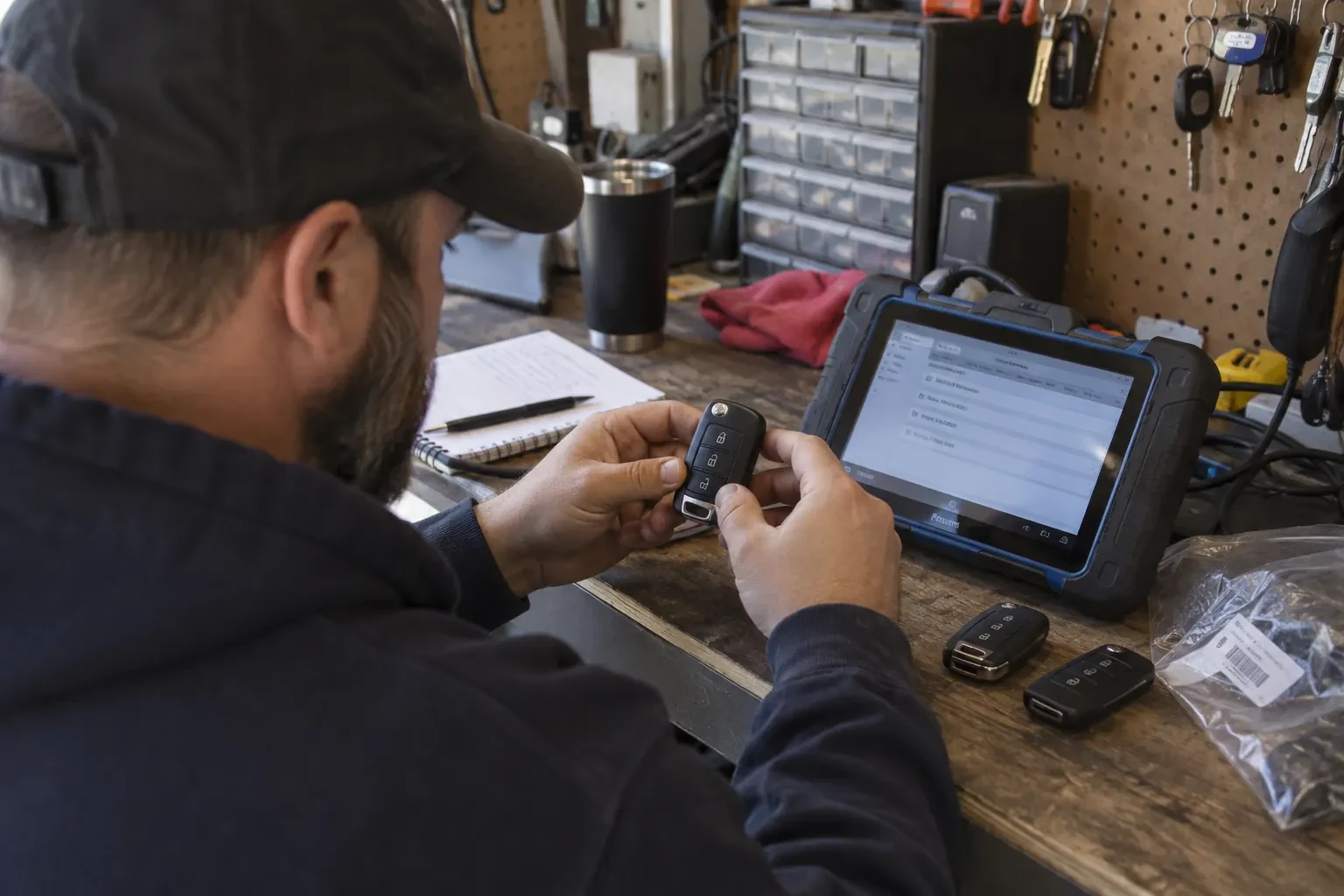
In the van
Level and floor shims
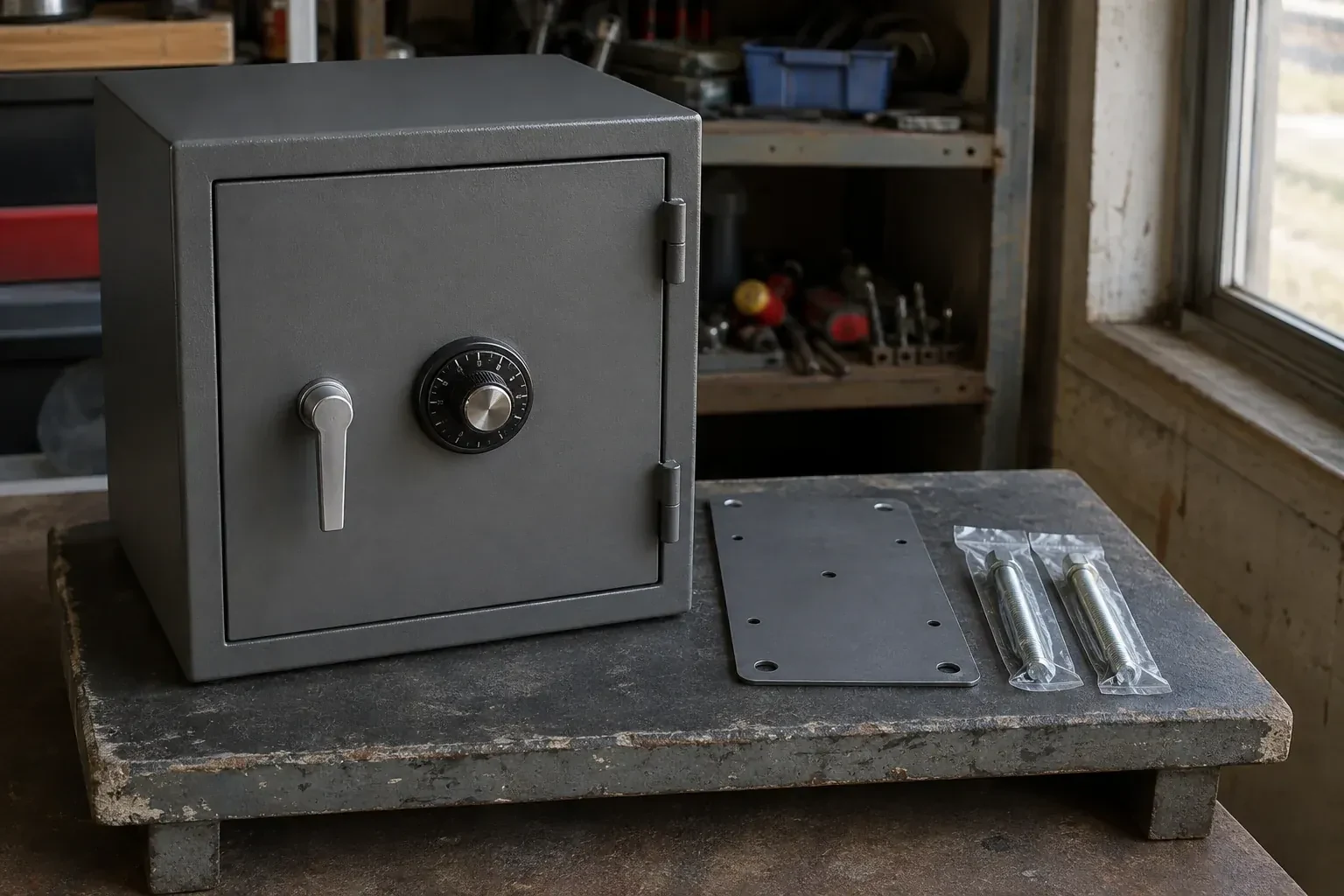
Mounting plate
Moving dolly and floor protection
Nine-volt backup battery
Desiccant packets
Safe Installation & Servicing
What affects the quote
Access route to the final position
Stairs, narrow doorways, tight corners, and whether an elevator or loading dock is involved all affect how the safe gets to its spot and how much handling that route requires.
An insurer's or head office's stated requirement
Some businesses are told by a policy or a head office exactly what rating a safe on the premises needs to meet, which narrows the choice of unit before other factors are weighed.
New installation versus servicing an existing unit
Fitting a brand-new safe involves positioning, anchoring, and lock setup from scratch, while servicing an existing one focuses on bolt-work, lock testing, and confirming or adding anchoring, generally a shorter list of tasks.
What to have ready
- Does an insurer or head office require a specific rating?
- Does the lock use a dial, a keypad, or both?
- Roughly how much does the safe weigh, if known?
Safe Installation & Servicing: questions
QuestionsCan you install a safe I already bought somewhere else?
Yes. Bringing your own unit is common, and the installation itself does not depend on where the safe came from. The locksmith still needs to check its weight, its footprint, and its anchor points against the floor or wall it will sit on, and looks over the lock before calling the job complete, since a new-to-you safe occasionally arrives with a stiff mechanism or a combination still set from the factory.
Can a safe be concealed inside a closet or behind a panel?
Yes, provided the spot chosen still allows full anchoring and enough clearance for the door to swing open completely. A closet floor, the back of a built-in cabinet, or a recessed wall cavity can all work, though each limits the size of unit that will actually fit and reach the anchor points properly. Balancing concealment against how often the safe gets opened is worth discussing before a spot is chosen.
Will anchoring damage my flooring?
Anchoring leaves small holes at the anchor points, sized to the bolts being used, and on a finished floor these sit under the safe itself where they are never seen again. On tile, the risk of cracking nearby tiles is real enough that an alternative fastening point or a different spot in the room is often chosen instead of drilling straight through the tile itself.