Car keys · Beaumonde Heights
Motorcycle & Scooter Keys in Beaumonde Heights
You dig through every jacket pocket and the tank bag twice, but the ignition key that always sits on the same ring is nowhere to be found.
In plain words
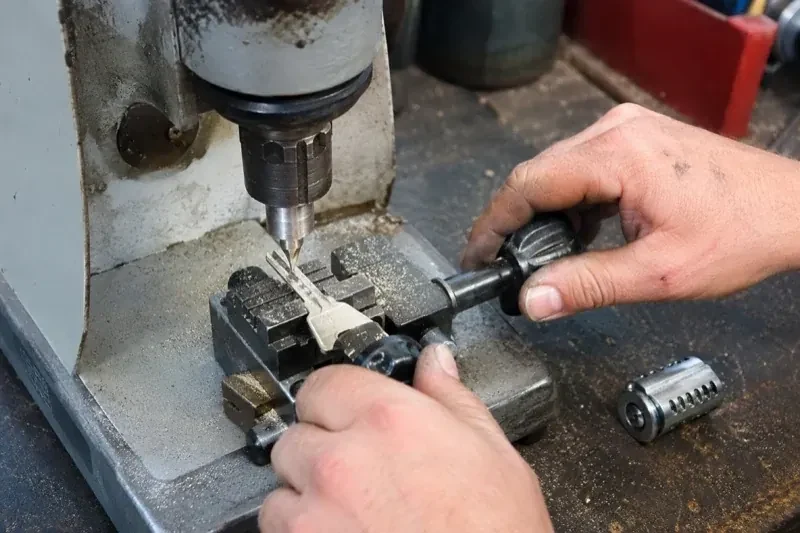
Sometimes the machine is not the problem; the key is. A blade that has worn thin, bent slightly, or been copied one generation too many stops lifting the wafers cleanly, which shows up as a key that needs a wiggle or a lift to turn. Rather than living with an unreliable copy, a fresh key cut directly from the lock's code or read from the original wafers restores a clean, consistent turn, and the worn key can be retired instead of carried as a backup that may not work when needed.
How the visit goesA copy cut at a hardware kiosk turns the ignition on some mornings and skips it on others, occasionally sticking halfway and needing a wiggle that the original key never required.
Motorcycle & Scooter Keys
How the visit goes
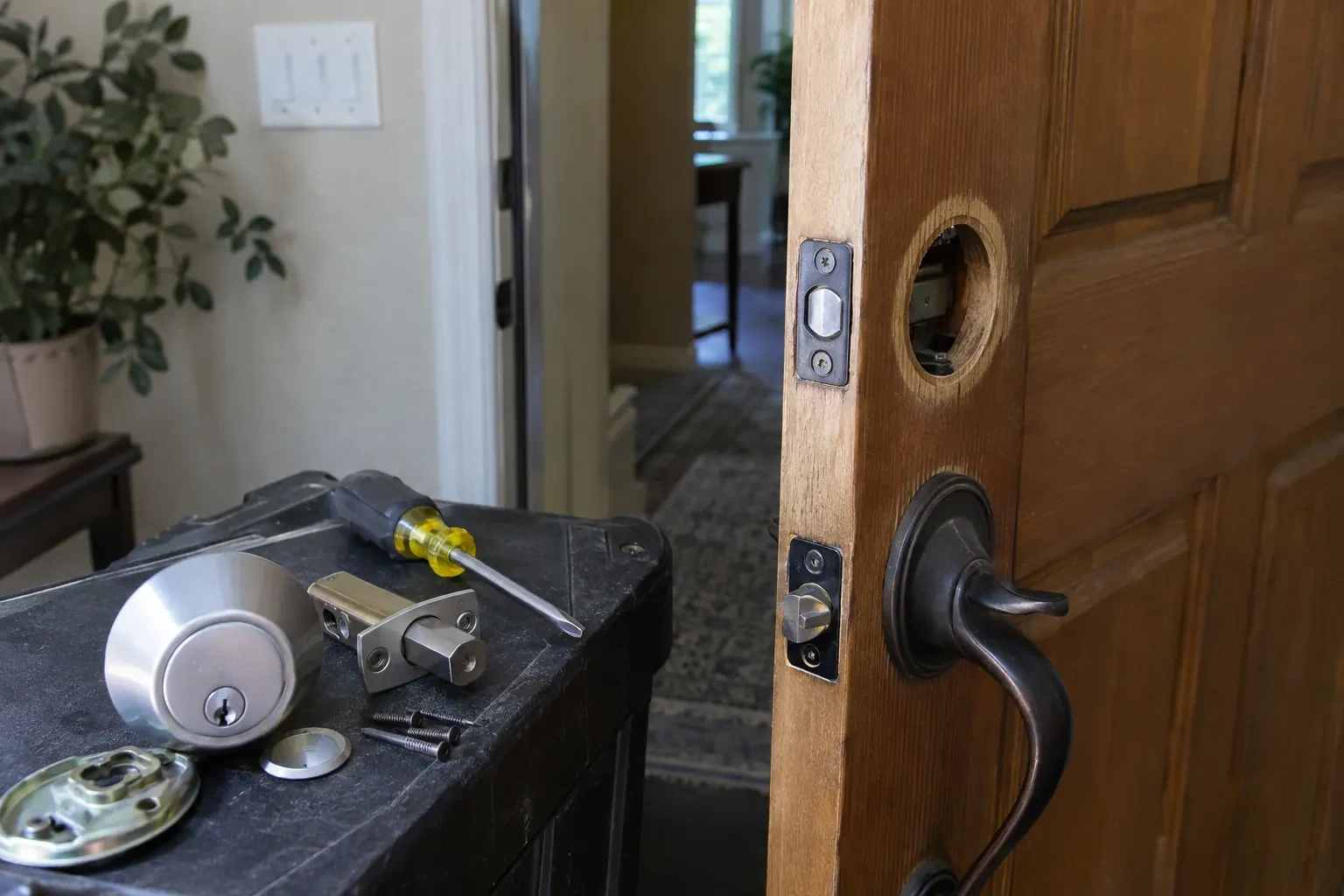
Assessing wear and corrosion
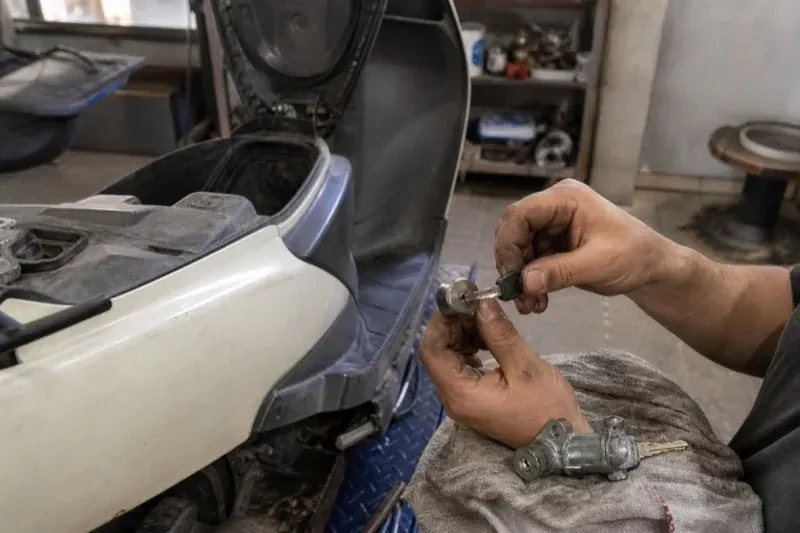
Locks that live outdoors on a machine take on grit, road salt and moisture in a way that an indoor lock never does, and the locksmith checks the lock face and keyway for rust, stiffness and a gritty feel before cutting anything. A lock with corrosion inside the wafers can defeat even a correctly cut key until it is cleaned and lubricated, so this check decides whether the visit stays a straightforward key job or also needs the lock itself serviced before a new key is tested against it.
Decoding a lock with no key at all
Without any key to copy, the lock has to speak for itself. The locksmith picks the cylinder and reads each wafer's resting depth with feeler tools or a small scope, or uses a decoder built for that keyway, translating what is found into a cutting code. A key is then cut to that code and tested in the lock before being trusted on the ignition proper. This route takes longer than copying an existing key, since every wafer has to be read individually, but it produces a key that matches the lock exactly rather than an approximation.
Looking after a wafer lock
A wafer lock rewards a little occasional attention. Cleaning matters more than lubricant for a wafer lock like this; where the maker calls for it, a puff of the specified lubricant into the keyway once or twice a year keeps the wafers moving freely. Wiping the key itself clean before use, especially after a wet ride, keeps grime from being carried into the lock on every insertion. These are small habits, but they are the difference between a lock that turns the same way for years and one that slowly stiffens.
Motorcycle & Scooter Keys
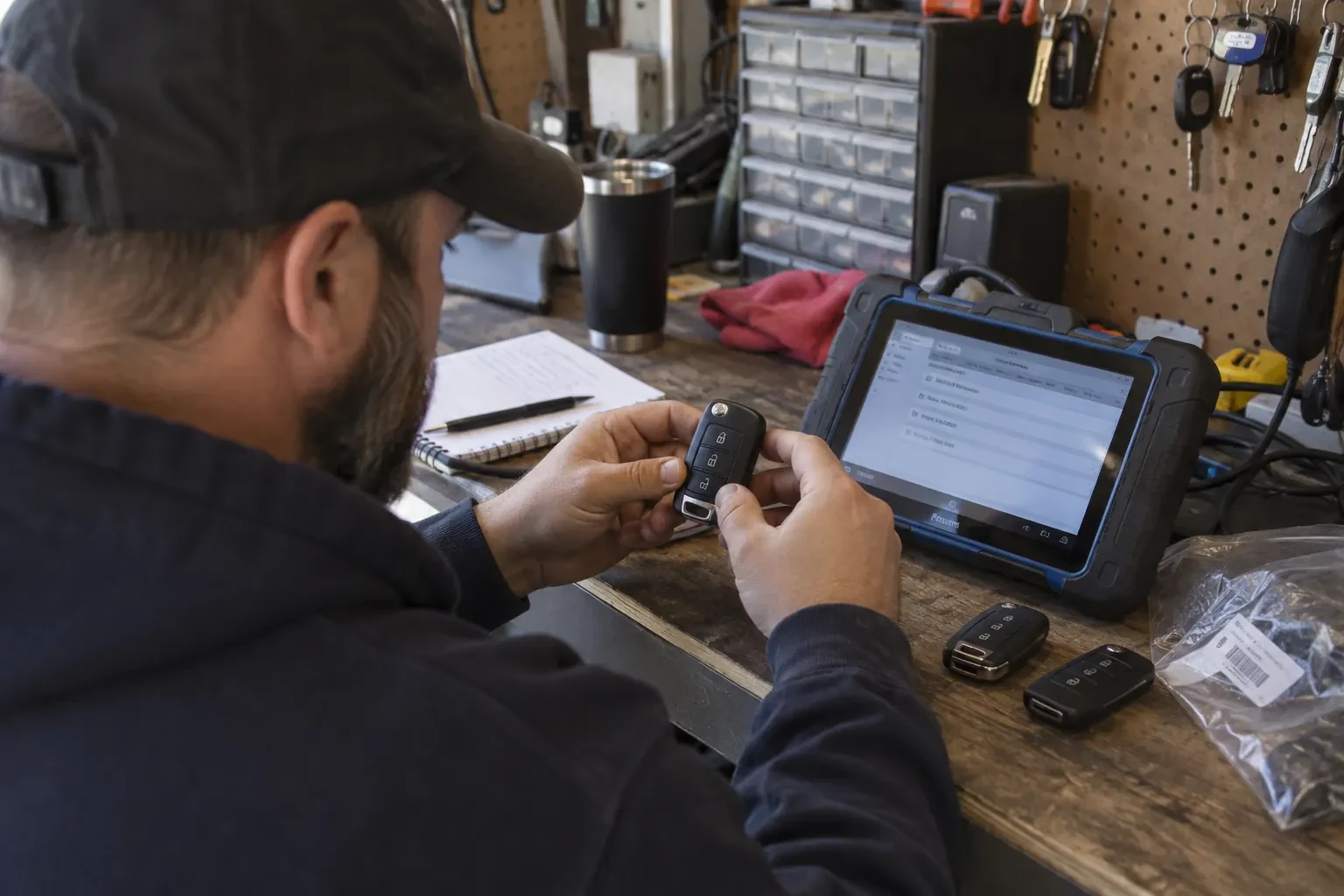
In the van
Replacement transponder chips
Fob shells and batteries
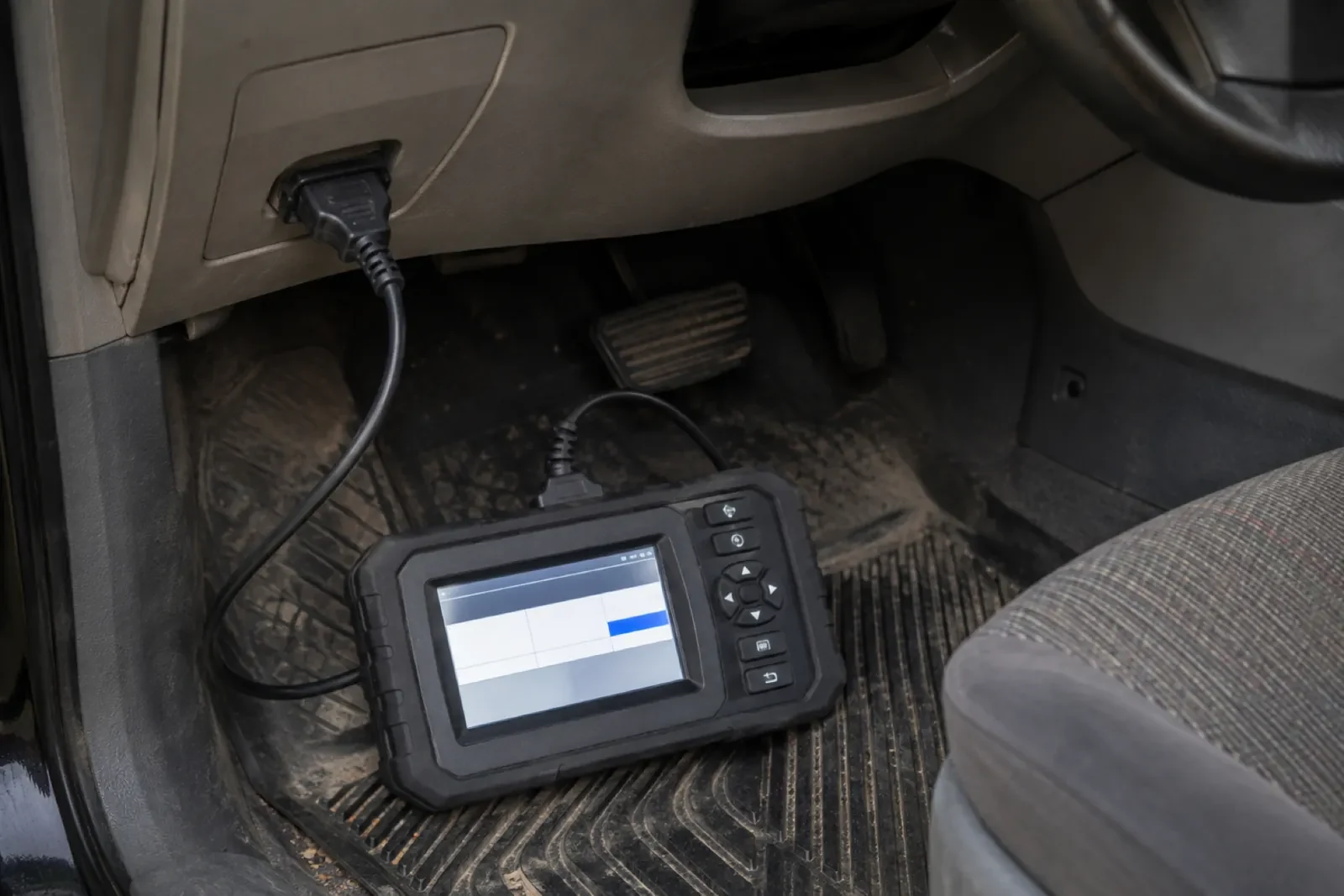
Transponder programming unit
Manufacturer-approved lock cleaner or lubricant
Wafer lock decoder
Motorcycle & Scooter Keys
What affects the quote
Time spent decoding a lock
Decoding a lock with no key at all, reading every wafer individually, takes longer than copying from an existing key, and that additional time is part of what the quote reflects.
Weather affecting a seized lock
A lock seized by cold, ice or dried-out grease from a season of storage takes patient thawing and working before a key can be tested against it, which a winter call reflects.
Number of locks on the machine
A single ignition lock is the simplest case. A machine with a separate seat, fuel cap and storage lock involved is a longer visit with more hardware to read, cut and test.
What to have ready
- Where is the machine currently kept?
- Was the machine bought used, and how many keys came with it?
- Which locks need to be included: ignition, seat, fuel cap, storage?
Motorcycle & Scooter Keys: questions
QuestionsDo you need the vehicle's VIN to make a key?
It helps but is not always required. The VIN can confirm the exact model and sometimes points to a factory key code on file, which speeds up cutting a key without reading the lock from scratch. Where the VIN is not available or does not lead anywhere useful, the locksmith works directly from the lock or an existing key instead, so a missing VIN slows the process rather than stopping it.
What should I do to look after a new key or lock afterward?
Very little beyond two simple habits: wipe the key clean before use, especially after a wet ride, and, where the lock's own maker calls for it, a light dose of the specified lubricant once or twice a year. Storing a spare somewhere other than on the machine itself rounds out the care a new key or lock generally needs.
My key needs a wiggle before it turns. Is that worth fixing?
It is worth acting on rather than living with. A key that needs a lift or a wiggle usually means the wafers inside the lock, or the key itself, have worn slightly out of true, and that wear tends to progress rather than stay the same. A fresh key cut from the original, or a light service of the lock, generally restores a clean turn well before the point where the key stops working altogether.