Commercial · Toronto
Access Control Installation in Toronto
Something went missing from the storeroom over a weekend, and when you ask who was in the building, the honest answer is anyone with a key.
In plain words
A single door can run on a standalone keypad or card reader that stores its own list of who may enter, though it can still need a power or network connection to work. A building with several controlled openings usually makes more sense on a networked setup instead, where distributed controllers share schedules and credentials and management software brings their logs together into one view. The locksmith sizes the choice to how many doors need controlling and how much the business wants to manage centrally, rather than defaulting to a single approach for every job.
How the visit goesThe team has grown past the point where one shared key still makes sense. New hires need a way in before a manager arrives, and the current setup cannot tell one person's entry from another's.
Access Control Installation
How the visit goes
Taking stock of what is already on the doors
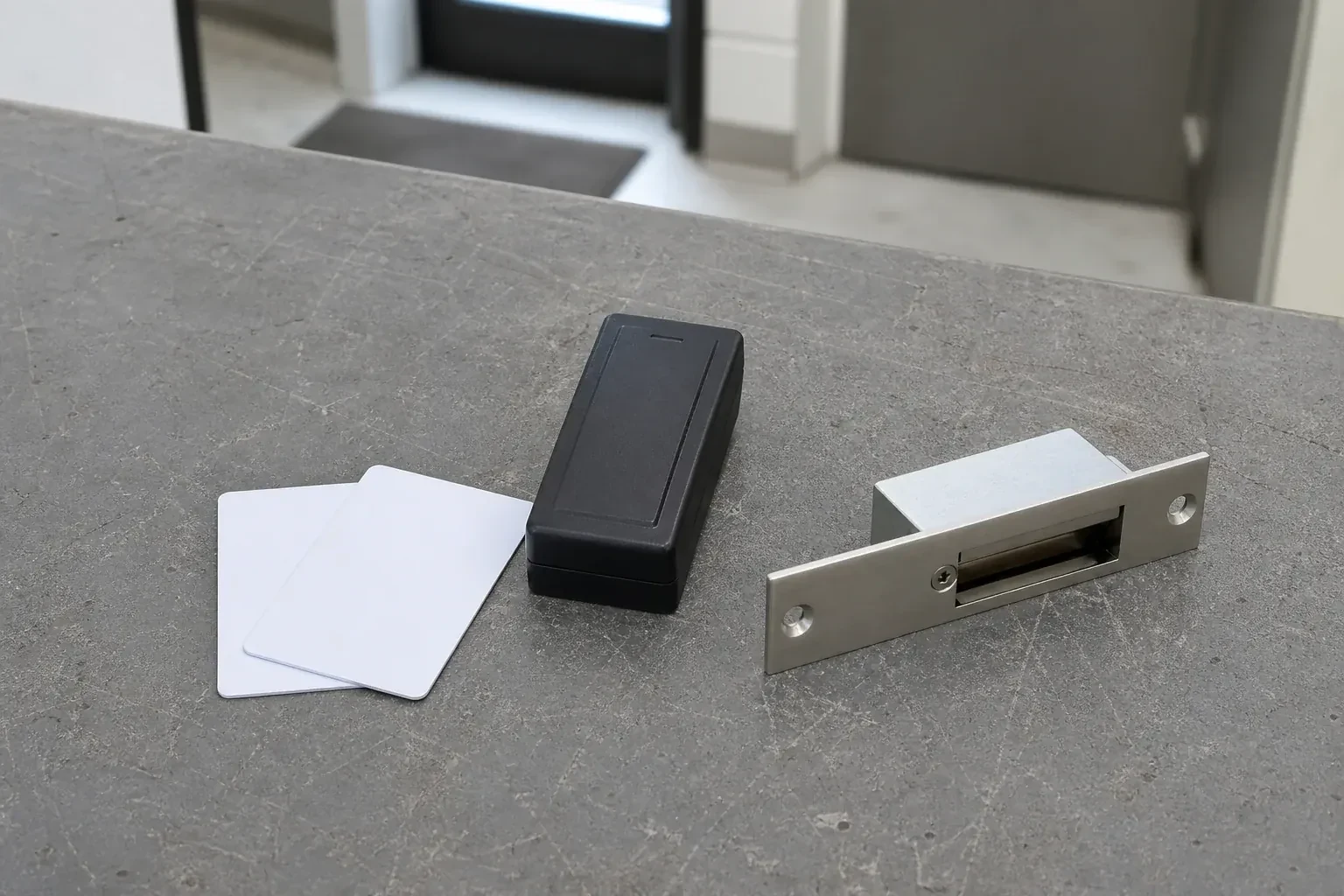
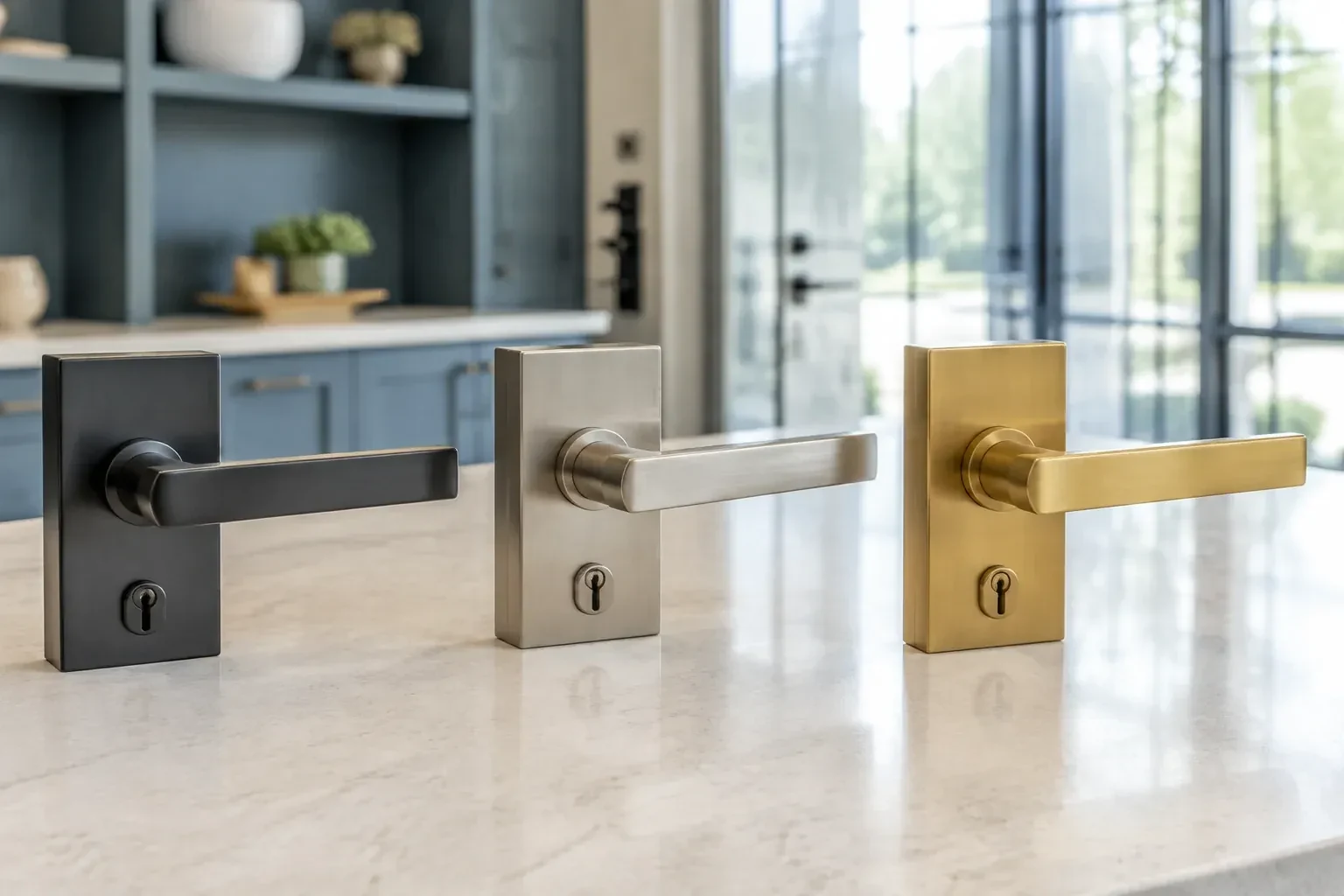
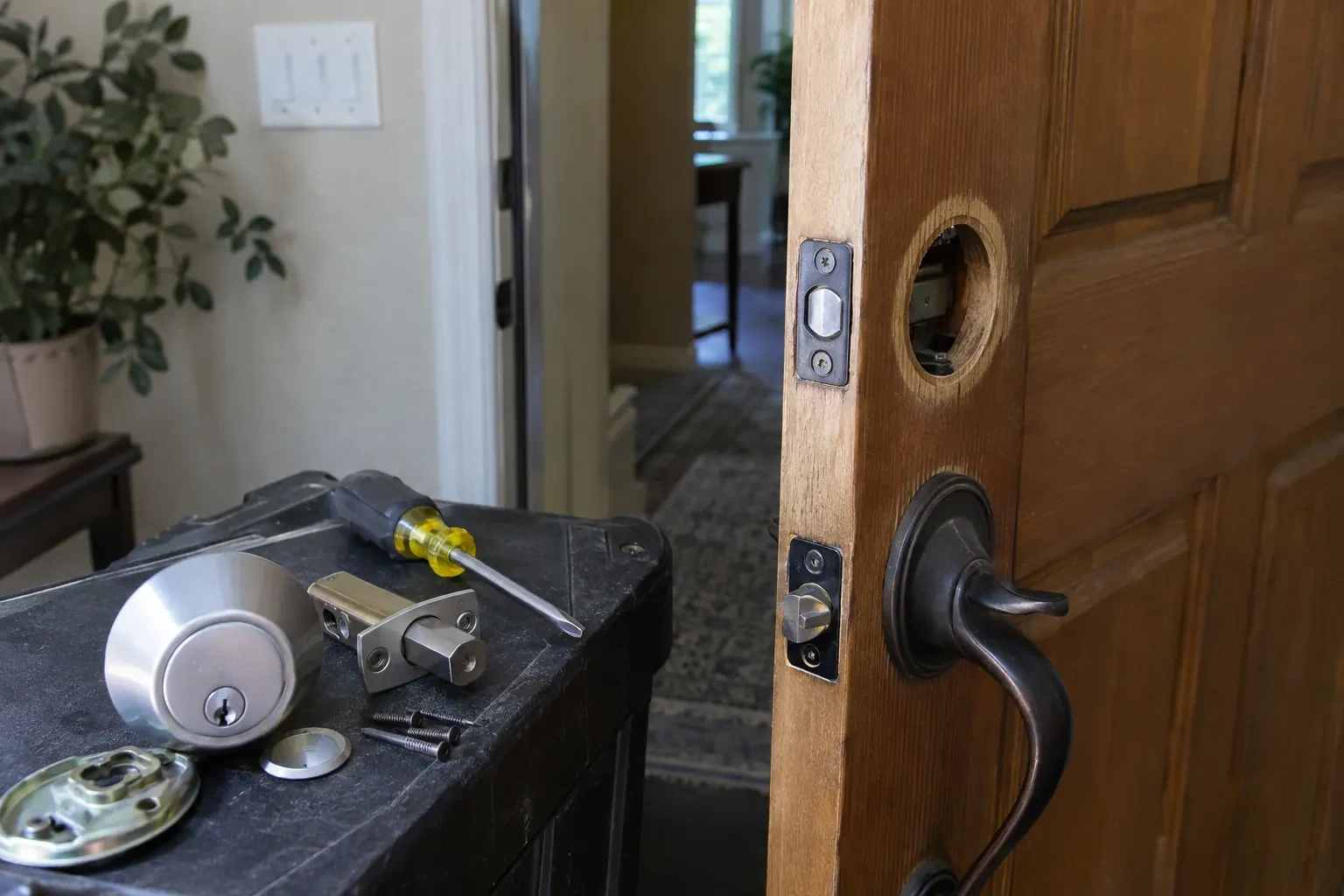
Many commercial buildings already carry some kind of lock, from a plain keyed lever to an older keypad system nobody quite trusts anymore, and the survey starts by identifying exactly what that is. A working mechanical lock can often stay in place as the override once an electric strike or reader is added, saving a step; a failing or unsupported electronic lock is usually replaced outright rather than wired around. The locksmith also checks which doors currently share one key, since that pattern often explains why the business wants individual, revocable credentials in the first place.
Setting up schedules and access levels
With the wiring finished, the work moves to the controller's software: schedules for regular business hours, another schedule for a loading dock or an after-hours cleaning crew, and access levels that group doors by who is allowed through them. A manager's credential might sit in every access level, while a new hire's sits in only the one or two the role actually needs. Holidays are entered so a schedule does not unlock a door on a day the building is closed, and the whole configuration is saved before any credential is issued against it.
What to do when a card or fob goes missing
A lost card or fob is handled by switching it off in the software rather than replacing a lock. The credential stops working as soon as it is disabled, whoever lost it is issued a new one, and every other door in the building keeps running exactly as it did before. There is no locksmith call needed for this, no rekeying, and no gap where a door sits unsecured while a replacement is arranged. Reporting a lost credential without delay, rather than holding onto the news, is the one habit that keeps this advantage working the way it was intended.
Access Control Installation
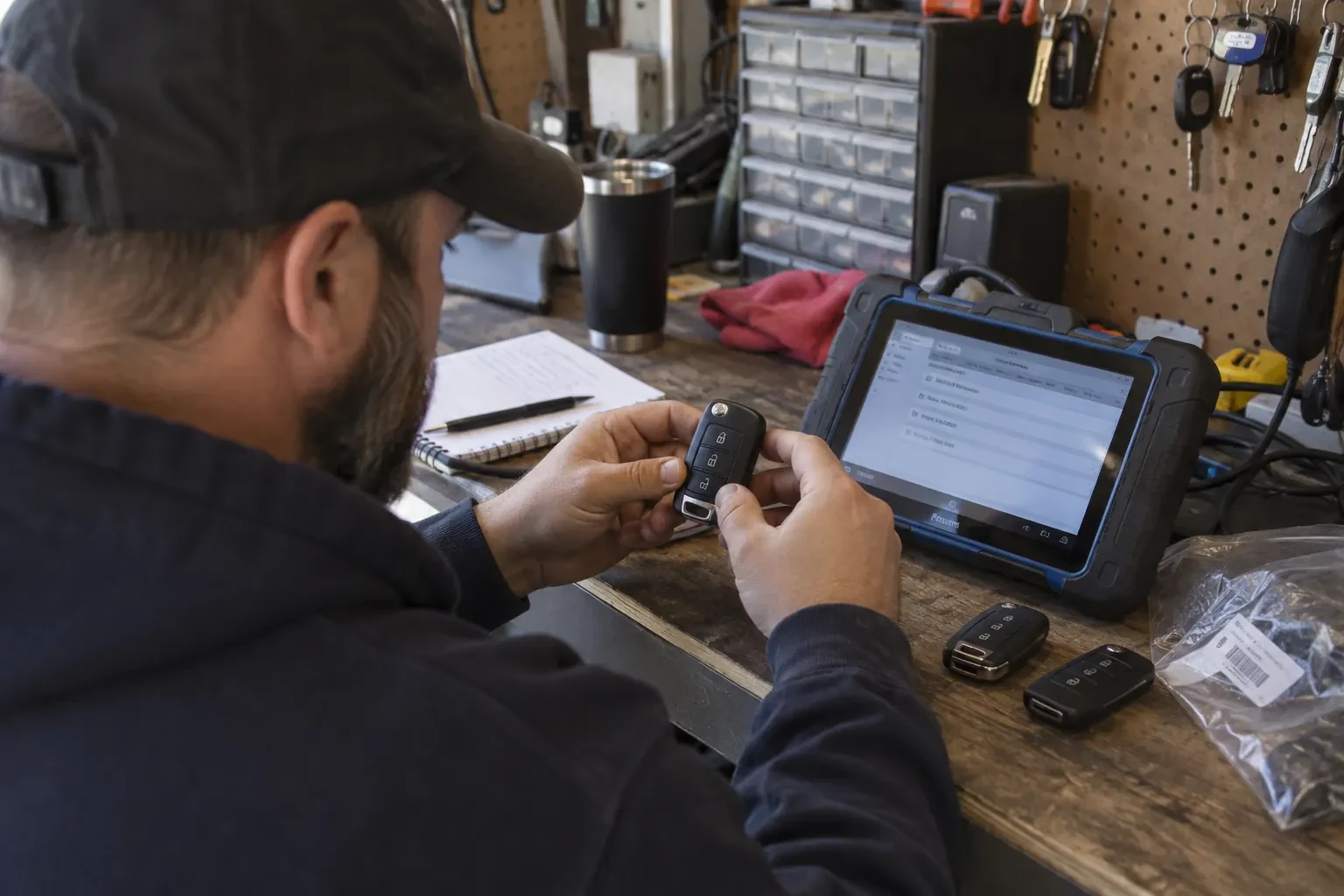
In the van
Card and fob readers
Electric strikes
Credential cards and fobs
Mechanical override cylinders
Fire alarm interface relay
Access Control Installation
What affects the quote
Electric strike or magnetic lock
An electric strike works with the door's existing latch and generally needs less additional hardware than a magnetic lock, which also calls for a request-to-exit device and, on an exit door, a fire alarm tie-in.
Fitting the mechanical override
Keying an override cylinder into the same system as the rest of the property's keys, rather than leaving it as an unrelated spare lock, takes coordination with whatever keying already exists across the building.
How many schedules and access levels are needed
A building with one schedule for everyone is quicker to configure than one splitting doors, hours and roles into several access levels, since each combination has to be set up and then tested on its own.
What to have ready
- Do any doors need different hours than the rest of the building?
- What are the doors and frames made of, as far as you know?
- Do you already have an alarm or camera system in place?
Access Control Installation: questions
QuestionsCan a person's access change automatically by time of day or day of the week?
Yes. Access levels can be set to change automatically by time of day or day of the week, so a credential that opens a door during a shift can be denied outside it without anyone having to remember to switch it off manually. This is set up once in the schedule and then runs on its own from that point forward.
What maintenance does the system need going forward?
Ongoing maintenance is light: checking the battery backup and the request-to-exit device periodically, keeping reader surfaces reasonably clean, and revoking credentials promptly once someone leaves. Door and frame alignment is worth a look at each change of season, since a shifted door can affect how cleanly an electric strike or a magnetic lock releases.
Does a door still need a mechanical key at all once it's on the system?
Not always — it depends on the hardware chosen for that door. Where a mechanical override cylinder is fitted and keyed in, it can still be opened by key regardless of what happens to the electronics, the network, or the power supply, and it is meant as a backup rather than a daily habit, since using it routinely bypasses the entry record the system is there to keep.
Related services
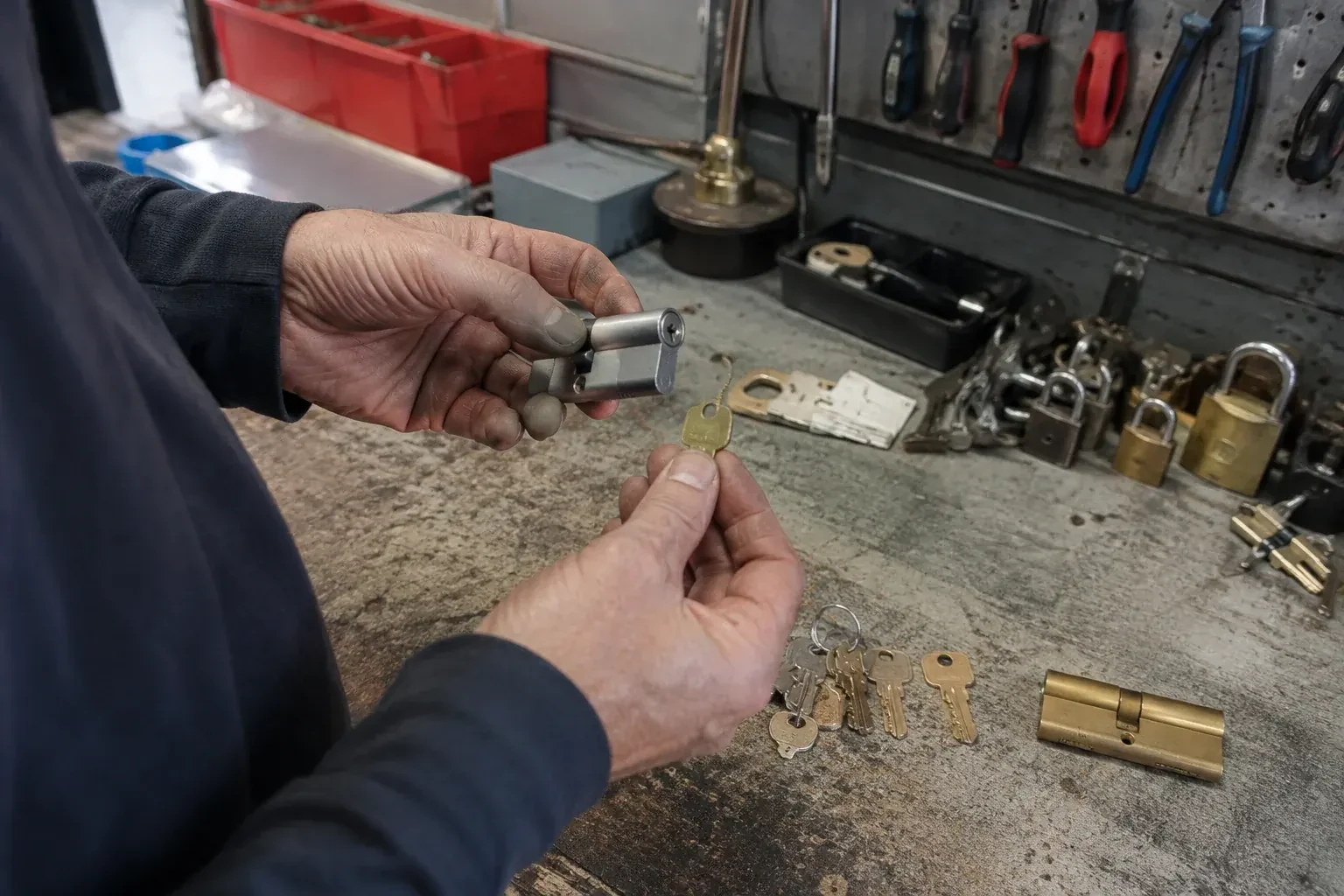
- Master Key System DesignA self-storage operator wants the office, the tenant gate and the equipment shed on three different levels of access for staff, but every lock on the property currently answers to the same handful of interchangeable keys handed out over the years.
- Panic & Exit HardwareThe daycare wants the yard gate and the classroom door alarmed so a staff member hears the moment it opens, without turning either into something a child could be shut behind.
- Commercial-Grade Lock ReplacementA new tenant moved into the unit next door, and the property manager just found three different cylinders on three doors, none of them cut to the same key.