Change or rekey · Toronto
Lock Replacement & Upgrade in Toronto
The century home's original mortise lock takes a key the size of a spoon, sticks in humid weather and has worn its strike to a groove.
In plain words
A replacement lock has to fit holes that already exist, and that is where the visit begins. The locksmith measures the backset, the distance from the door edge to the centre of the bore, which on most doors is 60 or 70 millimetres, checks the cross-bore diameter and edge-bore size, notes door thickness and handing, and looks at the strike cut-out. Most residential hardware is made to these standard preparations, so the new lock usually drops into place with no new drilling. Where a mortise lock or a thick door departs from the norm, filler plates, extension kits or a careful new bore bring the door up to standard.
How the visit goesThe house is fifteen years old and every exterior door still wears the light hardware the builder fitted: a short bolt, a thin strike held by two small screws, and a knob lock that never suited a street entrance.
Lock Replacement & Upgrade
How the visit goes
Measuring the existing preparation
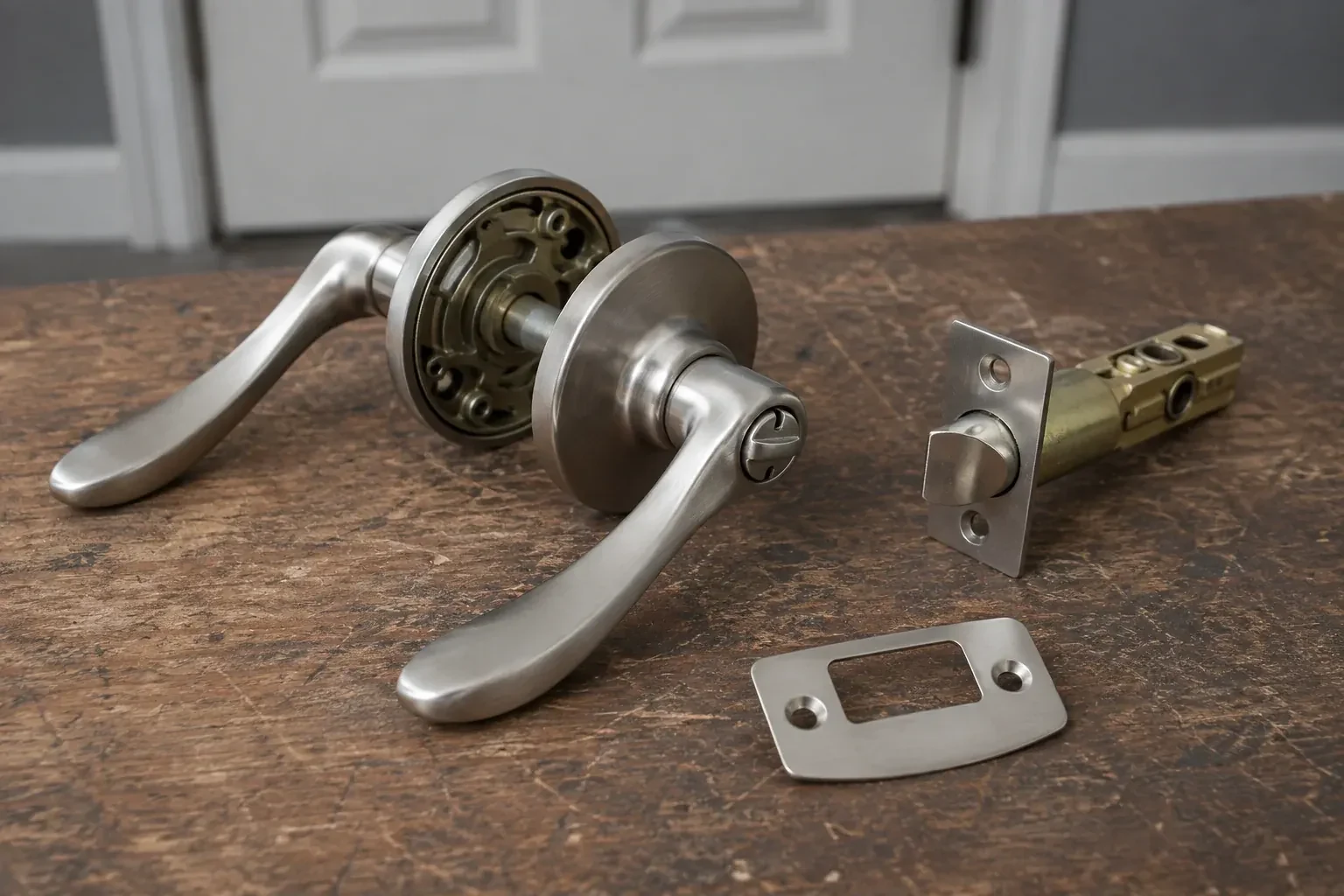
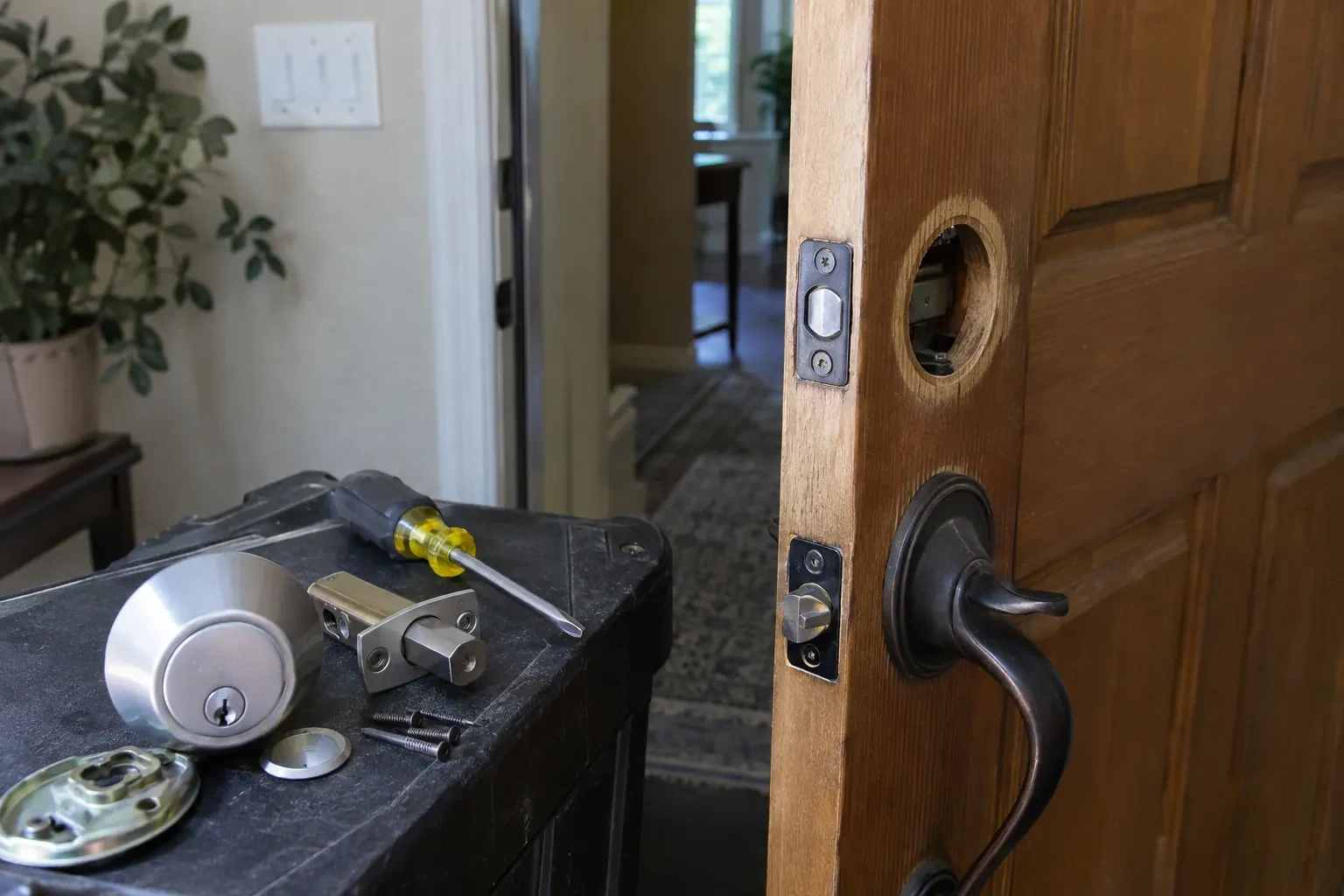
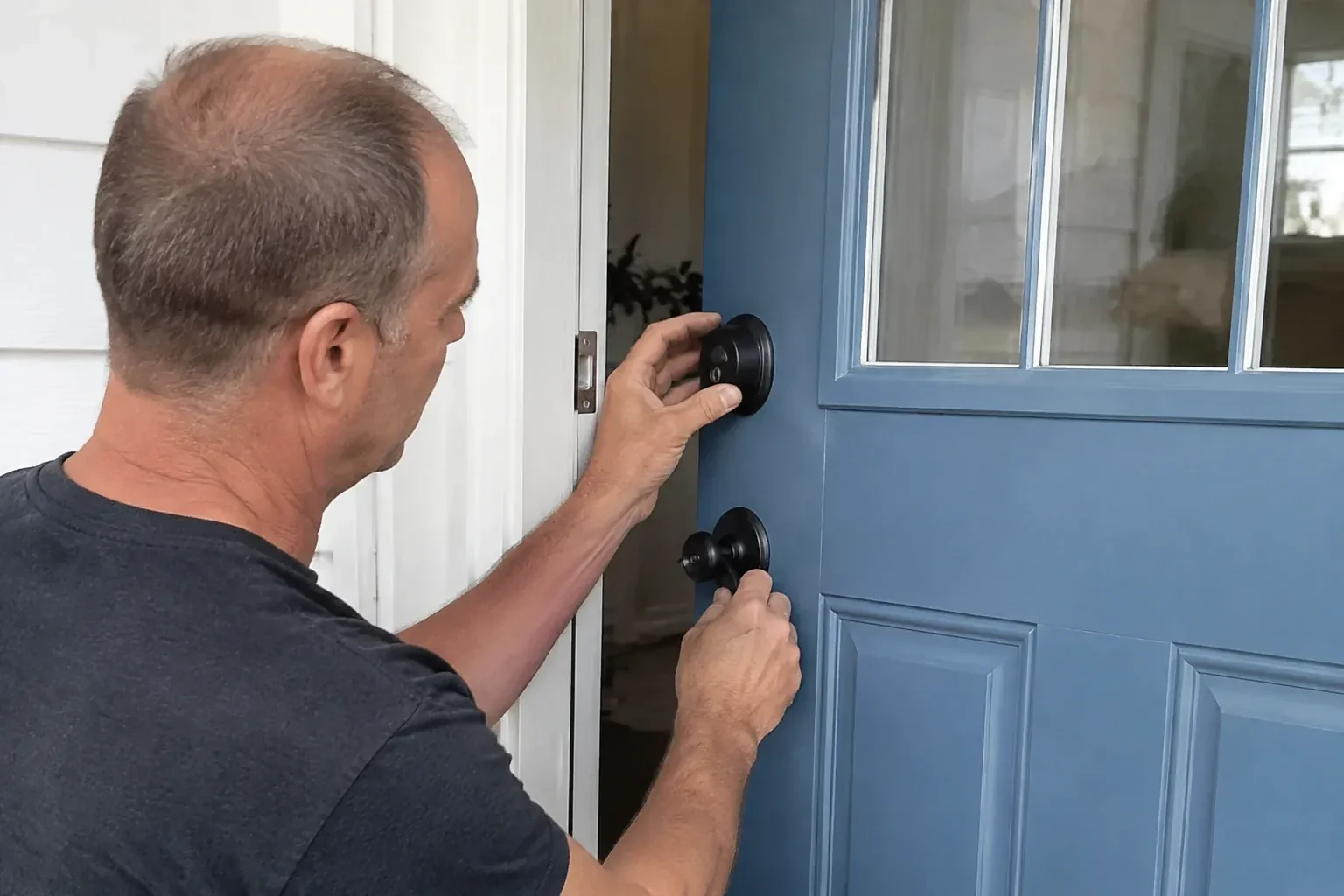
Before any product is chosen the door is measured. Backset first, the distance from the door edge to the centre of the bore, which on most doors here is 60 or 70 millimetres. Then the cross-bore diameter, the edge-bore size, the shape of the latch faceplate, the door thickness and the handing. The strike cut-out and any glass, trim or storm door that limits where hardware can sit are noted too. These few numbers decide which locks will drop straight into the door and which would need a filler plate, an extension kit or fresh drilling, so they are written down before the catalogue is opened.
Adapting older and unusual doors
Not every door is a standard modern slab. A century home with a mortise lock may keep its case and get a new cylinder and strike, or take a filler plate that lets a cylindrical deadbolt sit where the old case was, without hacking at the original stile. A door thicker than 45 millimetres gets extended spindles and screws. A sliding patio door gets a replacement mortise hook lock or a keyed surface bolt sized to the rail. Steel and fibreglass doors are drilled only with the right bits and a jig, and a new deadbolt above an existing knob is bored with a template so it sits square.
A clear plan for the remaining doors
Most households do not replace every lock in one visit, and you leave with a short list of what is left, in order of importance. Typically the front door and the garage-to-house door come first, then the back and side doors, then the patio slider and interior sets. Because the key plan has been settled, any lock added later can be pinned to the same key, so the house stays on one key as the work continues. Finishes and styles are recorded so future hardware matches. The first visit sets the standard; the rest of the house can follow when it suits you.
Lock Replacement & Upgrade
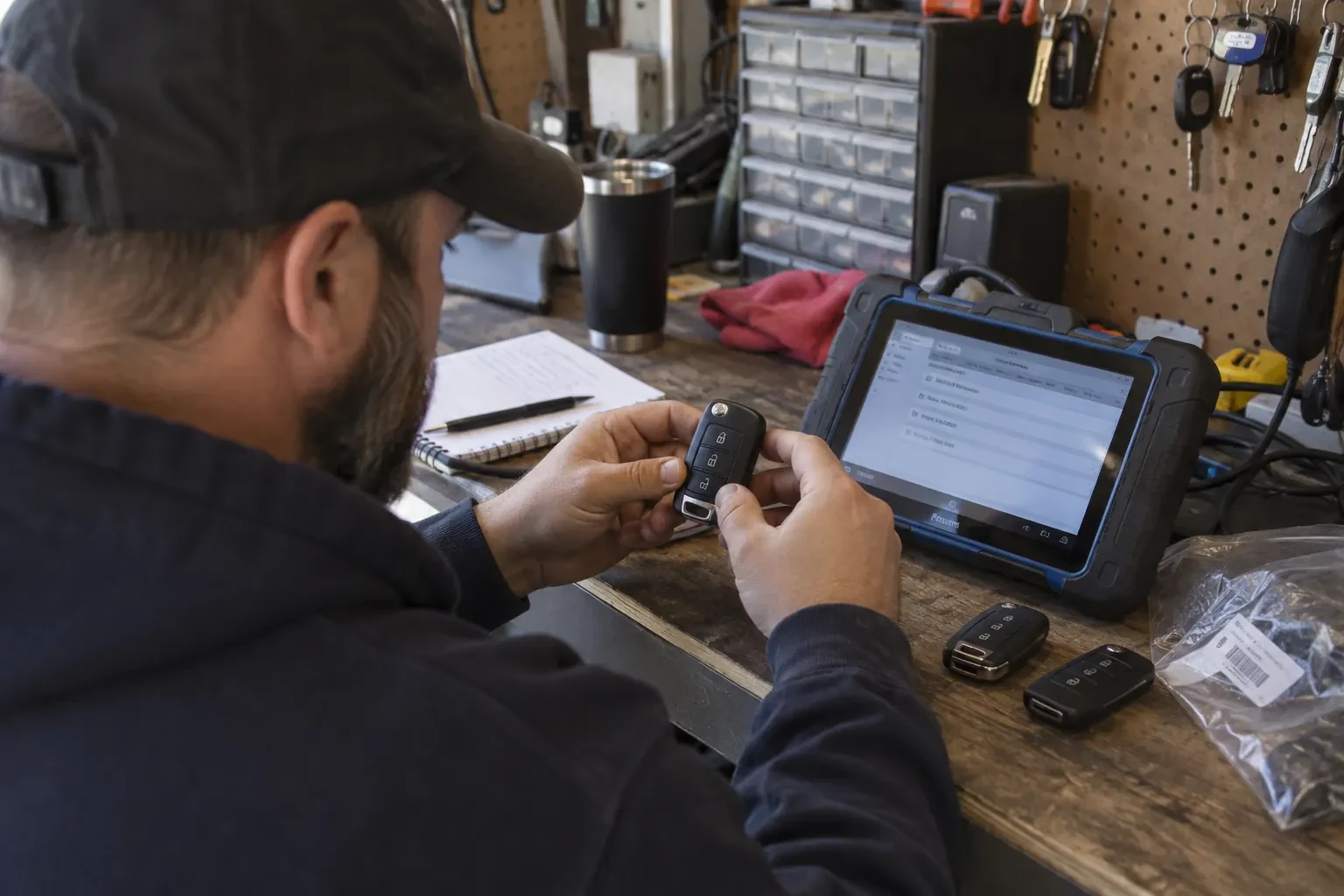
In the van
75 millimetre strike and hinge screws
Adjustable latch or bolt
Cylinders, plug follower and pinning kit
Reinforced strike plate and strike box
Key blanks and key cutter
Lock Replacement & Upgrade
What affects the quote
Older and mortise hardware
Servicing an original mortise case, sourcing a compatible cylinder or fitting a conversion plate on a century door involves more assessment and fitting time than a standard cylindrical replacement.
Patio and French door hardware
Sliding door mortise locks, foot bolts and flush bolts for an inactive French door leaf are specialty items sized to the door, and they are quoted as their own line beside the entrance work.
Number of doors
One back door is a small visit; the front, back, side, garage man-door and patio slider together are a longer one, though several doors done at once share the travel and setup.
What to have ready
- Are you interested in a keypad or smart lock on any door?
- Is the door wood, steel or fibreglass, and roughly how thick is it?
- Which doors are you thinking about, and what is on each one now?
Lock Replacement & Upgrade: questions
QuestionsI have just bought a house. What should I do about the locks?
Assume that copies of the old keys exist somewhere and act on the day you take possession. Walk every exterior door with the locksmith, keep hardware that is sound and have it rekeyed to a new key, replace hardware that is worn or too light, and add a deadbolt to any door that lacks one. Ask for everything to be keyed alike so you leave with one key and a known number of copies.
What information helps before the visit?
Photographs of each lock from outside and inside, plus one of the door edge showing the latch plate and one of the strike on the frame, tell the locksmith most of what they need. Add the door thickness if you can measure it, whether the door is wood, steel or fibreglass, the finish you want to match, how many doors are involved and whether you want them all on one key.
Is a smart lock a good upgrade, and what happens when the batteries run out?
For a household with many people coming and going, codes that can be added and removed are a real convenience. Behind the keypad it is still a deadbolt, so grade and strike matter as much as ever. Batteries typically last months and the lock warns you as they fade; depending on the model, a dead battery is handled with a mechanical override key or with external contacts for a temporary power source, so it is worth confirming which one your lock uses.
Related services
- Deadbolt InstallationThe front door has a handsome lever and a keyed knob, and that is all.
- Vintage Mortise Lock ServiceSomeone painted the door years ago without removing the hardware.
- Smart Lock InstallationYour mother still lives on her own, and the personal support worker, the pharmacy delivery and two siblings all need to get in on different days.